




FMCSA Opts for Wireless Web-Based Transmission of Electronic Logs
One of the tough, unanswered questions about electronic logs for hours of service is how to give the roadside inspector access to the log. The simplest solution is a cable hookup between the electronic onboard recorder
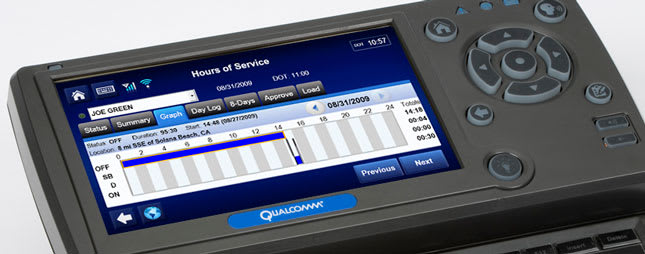
The question is, how does this data gets in the hands of enforcement personnel?
One of the tough, unanswered questions about electronic logs for hours of service is how to give the roadside inspector access to the log.
The simplest solution is a cable hookup between the electronic onboard recorder that records the e-logs and the inspector's laptop, and the Federal Motor Carrier Safety Administration is including that in its options. But wireless communications are more complicated, requiring agreement on issues such as security, protocols, interfaces and data display.
Just last month, after a meeting with carriers, enforcement officials and EOBR suppliers, the agency decided that the best way to address solve the wireless problem is to build a Web-based system for transmitting logs.
Details are sketchy at this point, but the agency is envisioning a system in which the EOBR transmits log data via satellite to the vendor's server, and the officer accesses that data through another server set up and administered by the agency.
This week the agency asked its Motor Carrier Safety Advisory Committee, a panel of 19 officials from the industry, the enforcement community and labor and safety advocacy groups, to come up with recommendations on how to put such a system together.
Among the details to be clarified are how the EOBR can wirelessly identify and connect to external networks so the data can be transmitted, and how to establish a communications protocol that is both timely and secure, said Michael Huntley, chief of vehicle and roadside operations for the agency. Other issues have to do with the transmission of the data through telematics application services, USB connections and the 802.11wireless local area network.
There is considerable pressure to get these details worked out quickly. The agency has less than a year before it goes live with an eobr requirement that targets habitual hours of service violators. That rule, effective June 1, 2012, will force carriers that violate the rules 10 percent of the time to use the electronic devices.
At the committee's meeting in Alexandria, Va., this week, FMCSA Senior Transportation Specialist Deborah Freund said the agency's aim is to have all the details settled by then so that the industry can see exactly what the EOBR requirements will be in three to four years, when almost all carriers will have to use the devices.
New set of questions
There are other issues in play besides the technical questions the committee is studying.
One is cost. Randy Mullett, vice president of government relations and public affairs for Con-way, said carriers that have invested in GPS systems that are not hard-wired to the engine control module will have to retrofit their onboard devices with those connectors before they can install an electronic logging function. Con-way, which supports e-logs and is integrating them into its fleet, would have to rewire its devices at considerable expense in order to comply, he said.
The enforcement community also has concerns, since not all roadside inspectors have wireless capability and in any case would need a backup system if the network is down.
Mullett raised the possibility that this approach may change the agency's cost analysis so much that it would have to reopen the rulemaking.
Huntley said much depends on what the advisory committee recommends. It is possible, he acknowledged, that there might have to be technical amendments or elements of the rule might have to be put back through the rulemaking process. Or it is possible that implementation might be delayed, although the agency's objective is to finish on schedule, he said.
'Different mousetraps'
Another complicating factor is that Congress has legislation that would mandate EOBRs on most trucks. A bill offered by Sens. Mark Pryor, D-Ark., and Lamar Alexander, R-Tenn., would give the Department of Transportation 18 months to come up with a final rule and an additional 18 months to put it into effect. This measure has the strong support of a group of trucking companies, the Alliance for Driver Safety and Security.
According to David Kraft, director of business development at Qualcomm Enterprise Services and chairman of the Technology and Maintenance Council's EOBR Task Force, the bill contains language that would force the agency to make changes in its rule. It would require tougher language on tamper resistance, driver identification, data security and certification of EOBR devices, he said.
David Parker, senior legal counsel at Great West Casualty and the chairman of the committee, is aware of the potential problem.
"It is important not to have the House and Senate designing a totally different mousetrap," he said.
Parker hopes that the committee will be able to come up with technical specifications that will satisfy everyone's concerns. To that end he deputized seven members of the committee to meet with eobr vendors and equipment manufacturers to look into the matter and provide guidance.
The subcommittee will be chaired by Robert Powell of the Virginia State Police and will include Janice Mulanix of the California Highway Patrol, Thomas Jacques of the Pittsburgh Police, Rob Abbott of American Trucking Associations, Calvin Studivant, a driver for Community Coach, Jane Mathis of Parents Against Tired Truckers and Stephen Owings of Road Safe America. Also participating will be Greer Woodruff of J.B. Hunt, Parker said.
The subcommittee will meet in the Washington area in mid-July and early August, and will submit its recommendations to the full committee on August 29.
More Drivers
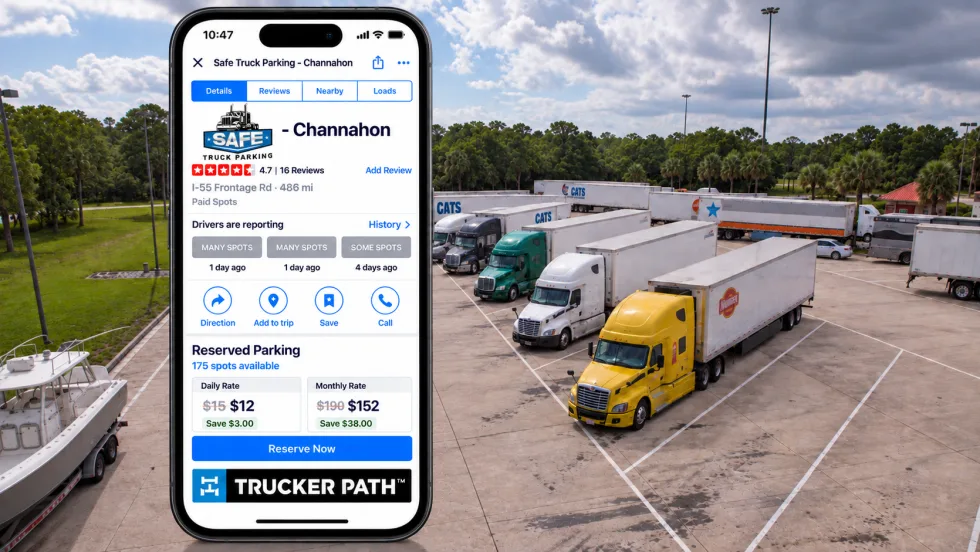
Trucker Path Expands Reserved Parking Network
Trucker Path has added close to 6,000 more truck parking spaces to its Trucker Path Reserved Parking Network with the addition of Safe Truck Parking.
Read More →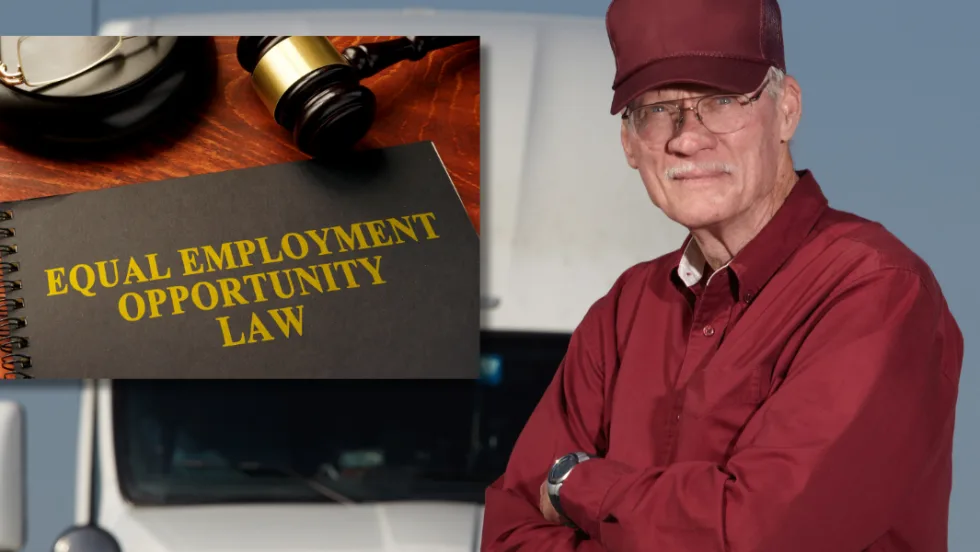
EEOC Sues Texas Trucking Company Over Driver Age Limits
The agency says Trancasa USA rejected applicants over 65 and applied tougher driving-record standards to those over 60.
Read More →
Nussbaum, Roehl Announce Second Driver Pay Increase This Year
This year has seen a swath of major truck driver pay increases as freight capacity has tightened.
Read More →
From One Generation to the Next: How Mentorship Builds Safer Truck Drivers
After three decades in trucking, Harold Perry shares what he's learned about driver safety, mentorship, and helping the next generation build confidence behind the wheel.
Read More →
Truck Drivers Need More Than Another Alert
Fleets have more visibility into truck health, safety events, and driver activity than ever. The next challenge is turning all that information into useful guidance for the person who has to decide what to do next.
Read More →
FMCSA Removes 110 Truck Driver Training Schools from Certified ELDT List
Federal regulators also are targeting more than 160 additional training providers and launching a nationwide audit of third-party CDL skills testers as part of a broader crackdown on trucking fraud.
Read More →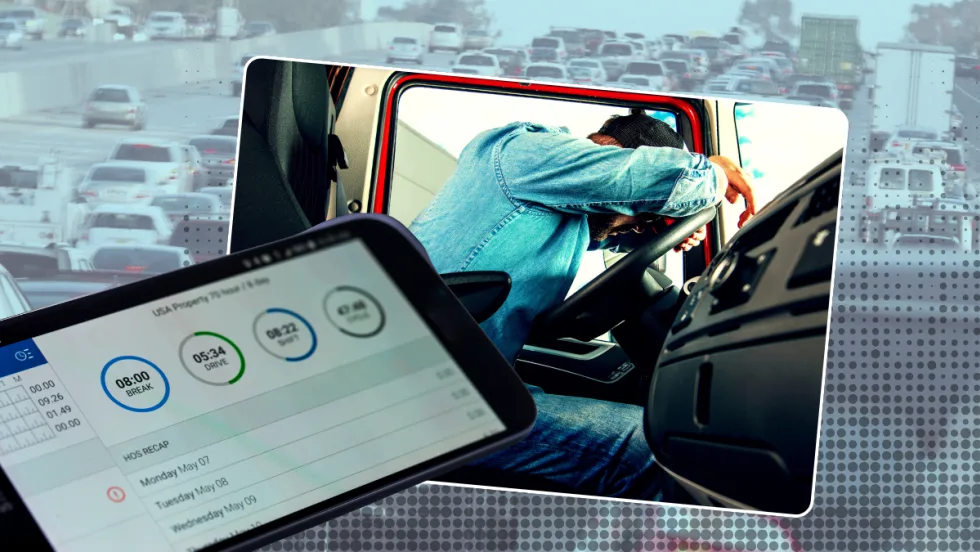
Hours of Service Pilot Programs: FMCSA Readies for 2027 Rollout
Two pilot programs could eventually reshape hours-of-service rules, giving truck drivers options to pause their 14-hour clock or use longer split sleeper rest periods.
Read More →
Medical Cards, English Proficiency Reshape Roadcheck Violations
Medical-card violations jumped to the top of the driver out-of-service list during CVSA’s 2026 International Roadcheck, while English-language proficiency violations appeared among the leading violations for the first time.
Read More →
Driver Trust Can Make or Break the Success of Fleet Safety Technology
New Teletrac Navman research suggests that onboarding, transparency about driver data, and positive feedback can play a significant role in how commercial drivers respond to safety and coaching technology.
Read More →
EEOC Sues KLLM Over Alleged Sex Discrimination in Driver Training
KLLM is facing a federal sex-discrimination lawsuit over policies the EEOC alleges put female truck driver trainees at a disadvantage.
Read More →