




FMCSA Going High-Tech With Olympic Truck Inspections
The Federal Motor Carrier Safety Administration is using infrared technology to screen trucks and buses for potential problems with brakes, tires, and gears as these vehicles travel roads near the 2002 Winter Olympics in Salt Lake City
The Federal Motor Carrier Safety Administration is using infrared technology to screen trucks and buses for potential problems with brakes, tires, and gears as these vehicles travel roads near the 2002 Winter Olympics in Salt Lake City.
Through Feb. 24, the FMCSA and DOT personnel from Utah, New Mexico, and Virginia as well as from the product manufacturer, Infra Red Inspection System Ltd., are using this infrared technology that was funded and evaluated by the federal agency.
First used during the Persian Gulf War, thermal imaging cameras now have civilian applications. FMCSA says the thermal-imaging cameras will allow officials to enhance existing safety initiatives at the Olympics with the use of four vans equipped with high-resolution monitors that use an infrared sensor to screen trucks and buses traveling at highway speeds, noting temperature discrepancies with varying colors on those monitors, alerting roadside enforcement officers to identify possible problems.
More Safety & Compliance

Wabash Trailers Recalled for Improperly Installed Underride Guards
More than 900 Wabash dry van trailers may not comply with the Federal Motor Vehicle Safety Standard for rear impact guards.
Read More →
Why K&B Trucking Is Embracing AI and Driver Safety Technology
Crunching data and embracing artificial intelligence are key in K&B Trucking's safety efforts, says the company's safety director.
Read More →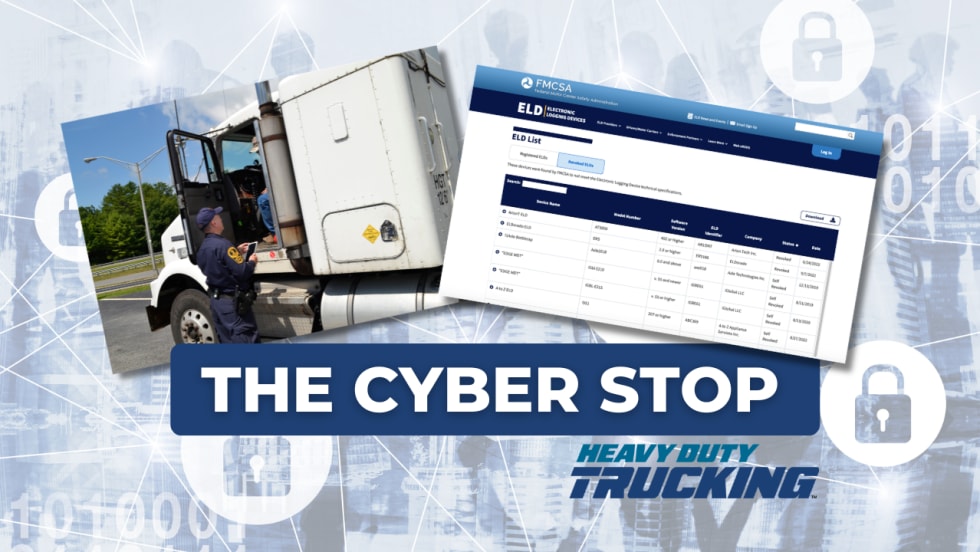
The Hidden Problem Behind FMCSA's ELD Revocations
NMFTA researchers say dozens of registered ELDs may be built on the same software platforms, allowing compliance and security concerns to persist even after individual devices are removed from the market.
Read More →
ATRI Wants Motor Carriers for Driver-Facing Camera Study
In this new study, the American Transportation Research Institute will explore how driver-facing cameras can impact safety and operational metrics in trucking fleets.
Read More →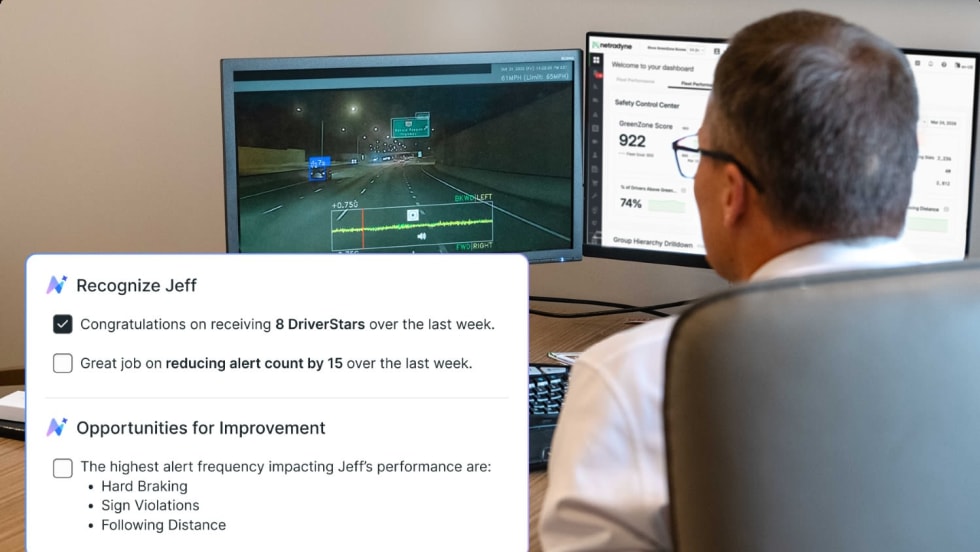
Netradyne Intelligence Uses New AI Agents to Automate Response to In-Cab Camera Data
The company called the next-generation in-cab camera safety platform "a fundamental shift from systems that report on what happened to systems that actively drive what should happen next."
Read More →Mack, Volvo Issue ‘Do Not Drive’ Recall on Possible Wheel-Offs
Owners will be sent advance notice not to operate their affected vehicles until the remedy is performed.
Read More →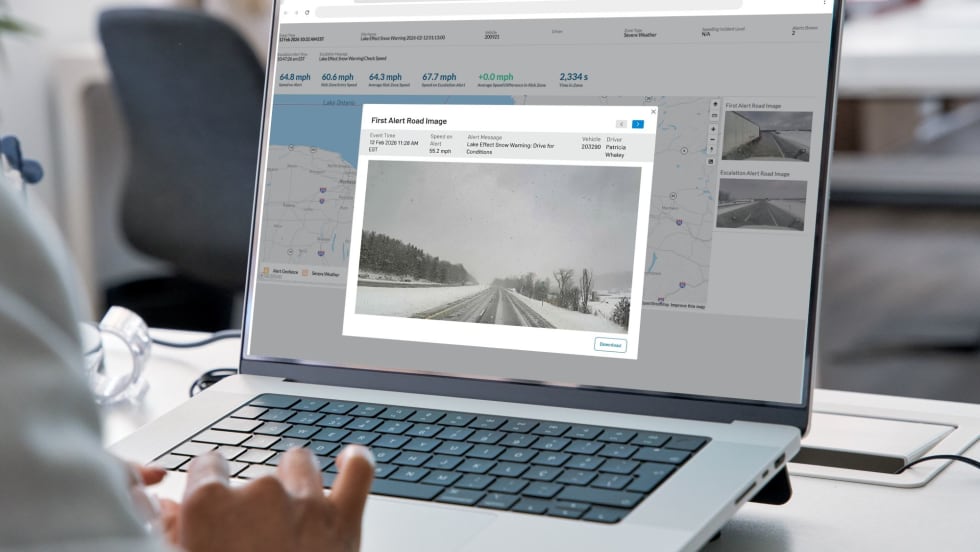
Fleetworthy Integrates Lytx Video Snapshots into Safety+ Platform
A new Fleetworthy-Lytx integration gives fleet managers access to video context alongside safety event data, streamlining driver coaching and incident review.
Read More →
How Waste Connections is Using Data, Telematics, and AI
How do you manage and maintain more than 18,000 connected trucks? Data. Lots of it.
Read More →
Fleet Advantage: Top Logistics Fleets Outperform National Safety Benchmarks
Fleet Advantage's latest TRUST Safety Index found leading logistics fleets maintained significantly lower out-of-service rates and stronger safety scores than national averages, while highlighting persistent challenges related to tires, brakes, and unsafe driving behaviors.
Read More →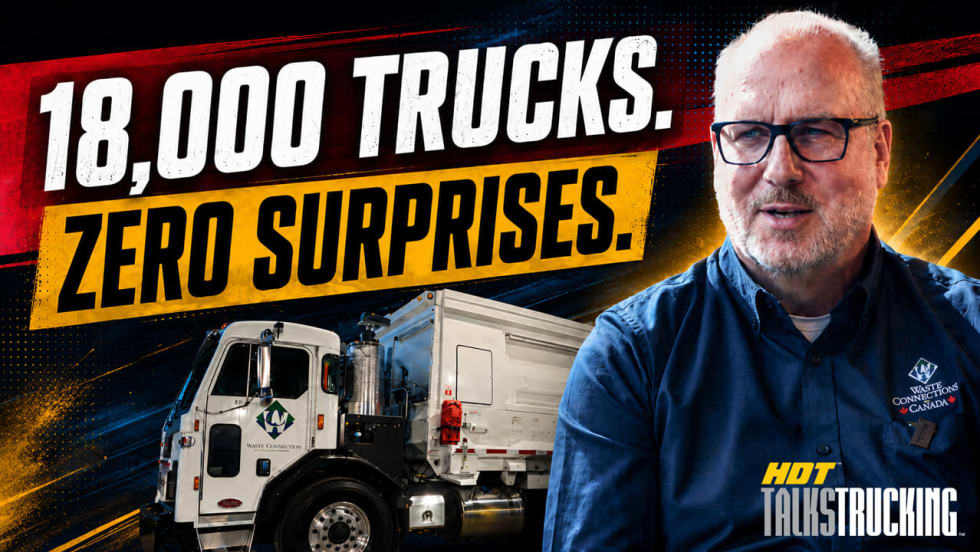
Why Fleet Data Matters More Than Ever at Waste Connections [Watch]
Waste Connections' Chuck Palmer explains how telematics, predictive maintenance, safety analytics, and AI help keep vehicles on the road and drivers safe in this episode of HDT Talks Trucking.
Read More →