




FMCSA Expands Coronavirus Hours-of-Service Exemptions
The Federal Motor Carrier Safety Administration added fuel and other items to an expanded national emergency declaration to provide hours-of-service regulatory relief to commercial vehicle drivers transporting emergency relief in response to the nationwide coronavirus (COVID-19) outbreak.

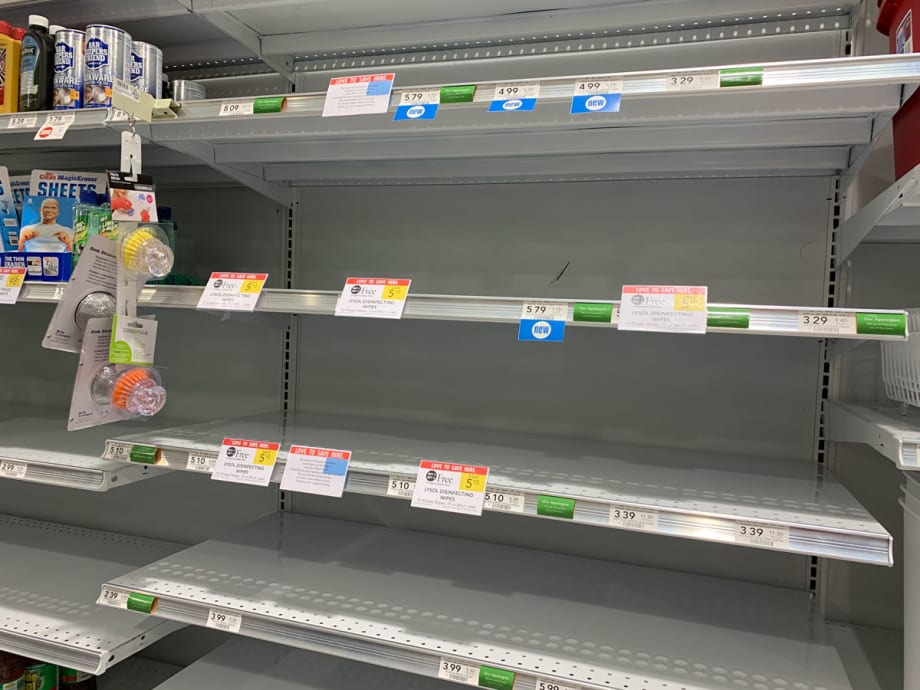
Truckloads of supplies such as sanitizing wipes to re-stock stores wiped out by COVID-19 are considered emergency relief.
Photo: Deborah Lockridge
The Federal Motor Carrier Safety Administration on March 18 issued an expanded national emergency declaration to provide hours-of-service regulatory relief to commercial vehicle drivers transporting emergency relief in response to the nationwide coronavirus (COVID-19) outbreak, including adding fuel and raw materials needed to manufacture essential supplies to the list of freight covered under the order.
“The nation’s truck drivers are on the front lines of this effort and are critical to America’s supply chain,” said U.S. Secretary of Transportation Elaine L. Chao.
FMCSA’s expanded declaration provides for regulatory relief for commercial motor vehicle operations providing direct assistance supporting emergency relief efforts intended to meet immediate needs for:
Medical supplies and equipment related to the testing, diagnosis and treatment of COVID-19.
Supplies and equipment necessary for community safety, sanitation, and prevention of community transmission of COVID-19 such as masks, gloves, hand sanitizer, soap and disinfectants.
Food, paper products and other groceries for emergency restocking of distribution centers or stores.
Immediate precursor raw materials—such as paper, plastic or alcohol—that are required and to be used for the manufacture of essential items.
Fuel.
Equipment, supplies and persons necessary to establish and manage temporary housing, quarantine.
Persons designated by federal, state or local authorities for medical, isolation, or quarantine purposes.
Persons necessary to provide other medical or emergency services.
The notice explains that "direct assistance means transportation and other relief services provided by a motor carrier or its driver(s) incident to the immediate restoration of essential services (such as medical care) or essential supplies (such as food and fuel) related to COVID-19 outbreaks during the emergency."
When asked if a truckload of supplies such as water, toilet paper, and hand sanitizer to refill empty shelves at the grocery store constitute emergency relief, an FMCSA spokesperson said it does.
The expanded declaration stipulates that direct assistance does not include routine commercial deliveries. Fleets cannot simply add a nominal quantity of qualifying emergency relief to a mixed load just to obtain the benefits of the emergency declaration.
As in the original declaration, first issued March 14, this expanded emergency declaration stipulates that once a driver has completed his or her delivery, the driver must receive a minimum of 10 hours off duty if transporting property, and eight hours if transporting passengers.
How do I Log COVID-19 Relief Loads?
According to FMCSA’s FAQ on emergency declarations, “Since the hours-of-service rules do not apply when operating under declaration of emergency issued under 49 CFR 390.23, you do not have to maintain a record of duty status (log). However, it is recommended that, for future reference, you explain the activity in the log “remarks” section without completing the detailed grid.”
Dave Osiecki, president, Scopelitis Transportation and Consulting, explained that the ELD mandate rules “anticipate that certain drivers will be exempt, either permanently or during certain circumstances,” and include an exempt driver logging category. “On emergency relief, the fleets can switch the driver to an exempt driver log-in account.”
ELD manufacturer Samsara recommends that affected drivers add a remark to their logs that refers to the emergency declaration and describes the direct assistance activity they are currently engaged in. It does not recommend using the Adverse Driving Conditions exemption for this purpose.
What Isn't Covered
The Emergency Declaration also states that it does not exempt motor carriers or drivers from the controlled substances and alcohol use and testing requirements, the commercial driver's license requirements, the financial responsibility (insurance) requirements, the hazardous material regulations, applicable size and weight requirements, or any other portion of the regulations not specifically exempted by the order.
Some states, however, have offered temporary weight provisions.
And as many state and county governments close government offices, and drivers may have difficulty accessing an open testing site for drug and alcohol testing, some fleets and drivers have questions about what do about commercial driver’s licenses or medical cards that are expiring, or about random drug testing requirements.
Osiecki notes that fleets and drivers will have to check with their particular state officials about grace periods for license renewals during the crisis. Most, he said, have notices on their websites.
Medical cards and drug testing are a trickier issue. “FMCSA really needs to step in where it relates to driver-related issues and provide clear, consistent guidance,” he said.
FMCSA’s emergency declaration is the first time the agency has issued nationwide relief and follows President Trump issuing of a national emergency declaration in response to the virus.
To read FMCSA’s expanded national emergency declaration, visit: https://www.fmcsa.dot.gov/emergency/expanded-emergency-declaration-under-49-cfr-ss-39023-no-2020-002-relating-covid-19
More Safety & Compliance
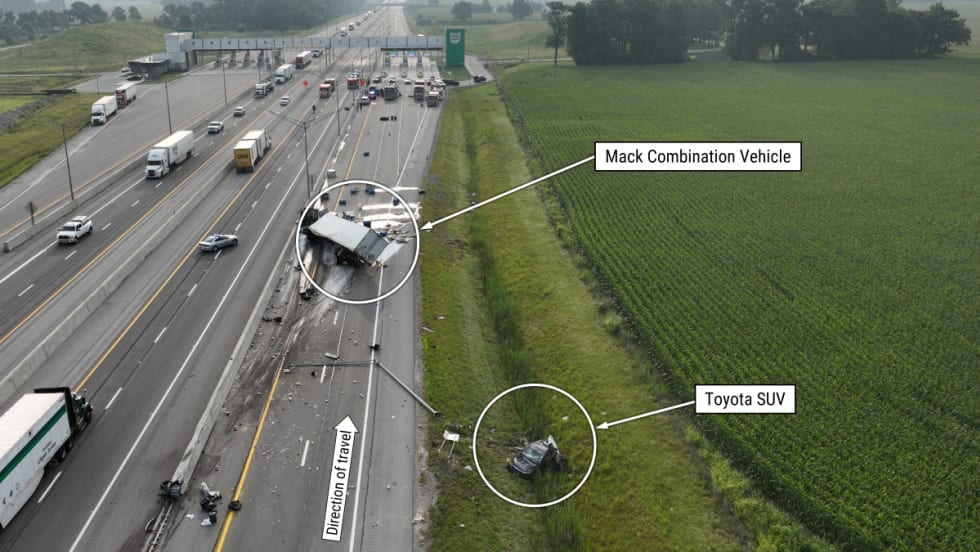
Fatal Crash Exposes Toll Plaza Risks
An NTSB investigation found that last-minute lane changes and large speed differences at an Ohio toll plaza created a hazard the truck driver couldn't avoid in time.
Read More →
When Language Stops the Truck: The Return of ELP Out-of-Service Orders
English language proficiency rules for commercial drivers aren’t new, but renewed out-of-service enforcement has raised the stakes. Here’s what carriers need to know before a driver reaches a roadside inspection.
Read More →
A Camera Isn't a Safety Program. Here's What Brokers Are Screening for Now
Footage alone may not be enough to pass broker vetting processes. Here's what counts as a defensible safety program now.
Read More →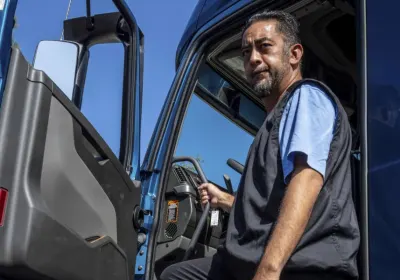

Marijuana and Trucking’s Drug-Testing Dilemma
Marijuana is getting stronger, laws are changing, and drug tests still can’t reliably establish impairment. What does that mean for truck drivers and the fleets that employ them?
Read More →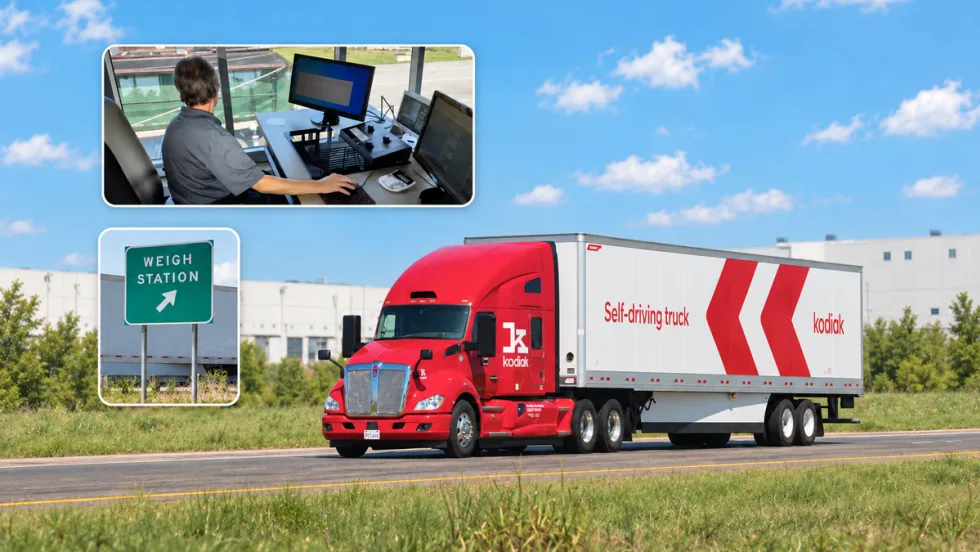
PrePass, Kodiak Connect Driverless Trucks to Roadside Enforcement
The system will allow enforcement agencies to verify Enhanced Inspection information and decide whether Kodiak’s autonomous trucks can bypass roadside screening sites.
Read More →
From One Generation to the Next: How Mentorship Builds Safer Truck Drivers
After three decades in trucking, Harold Perry shares what he's learned about driver safety, mentorship, and helping the next generation build confidence behind the wheel.
Read More →
FMCSA Pauses Biennial-Update Enforcement Amid Motus Transition
Carriers whose updates were due on or after June 1 have more time, while FMCSA works to stabilize its new registration system and warns of phishing sites impersonating its new carrier registration system, Motus.
Read More →
ZF Expands Commercial Vehicle Push in North America
ZF is expanding its North American commercial-vehicle presence with new transmission applications, electrification, trailer technology and autonomous-driving systems.
Read More →
Truck Drivers Need More Than Another Alert
Fleets have more visibility into truck health, safety events, and driver activity than ever. The next challenge is turning all that information into useful guidance for the person who has to decide what to do next.
Read More →
Tesla Wants a Self-Driving Semi. Are Cameras Enough?
Could Tesla’s camera-only autonomous driving technology work on an 80,000-pound Semi? In this commentary, HDT's Deborah Lockridge takes a look at Tesla, Cybercab, and how autonomous trucks see the road.
Read More →