




FMCSA Denies Petitions, New HOS Rule Starts Jan. 4
The Federal Motor Carrier Safety Administration has denied eight petitions to alter the final hours-of-service final rul
The Federal Motor Carrier Safety Administration has denied eight petitions to alter the final hours-of-service final rule
that was published on April 28. The new rules will go into effect on January 4, 2004.
The petitions to change the final rule included requests to allow off-duty time to extend the 14 hour on-duty limit; to exempt utility workers and to change the definition of commercial motor vehicles.
In its announcement, the FMCSA said it compared each petition to the core goals in the hours-of-service rulemaking: improved safety; greater opportunity for rest; movement toward the body's 24-hour clock; and practicality, uniformity, and enforceability of the rule. The agency denied the petitions after what it termed “careful consideration of the petitioners' arguments.”
"The new hours-of-service rule strikes a balance between reasonableness, consistency, and enforceability, while improving safety and protecting all highway users," FMCSA Administrator Annette M. Sandberg said.
"Recognizing that carriers, drivers, and law enforcement must prepare for the Jan. 4, 2004, compliance date, we have denied the petitions in sufficient time to allow these groups to meet the compliance deadline."
The FMCSA claims the new rule will save up to 75 lives and prevent as many as 1,326 fatigue-related crashes annually.
The new final rule addresses the issue of driver fatigue and sets standards for driving and off-duty time. The previous rules had been in effect with few changes for more than 60 years.
This final rule can be viewed by searching for docket number FMCSA-97-2350 at http://dms.dot.gov/. The rule is document number 23305 on page 465 of the table of contents. The letters to the petitioners are in this docket.
More Drivers
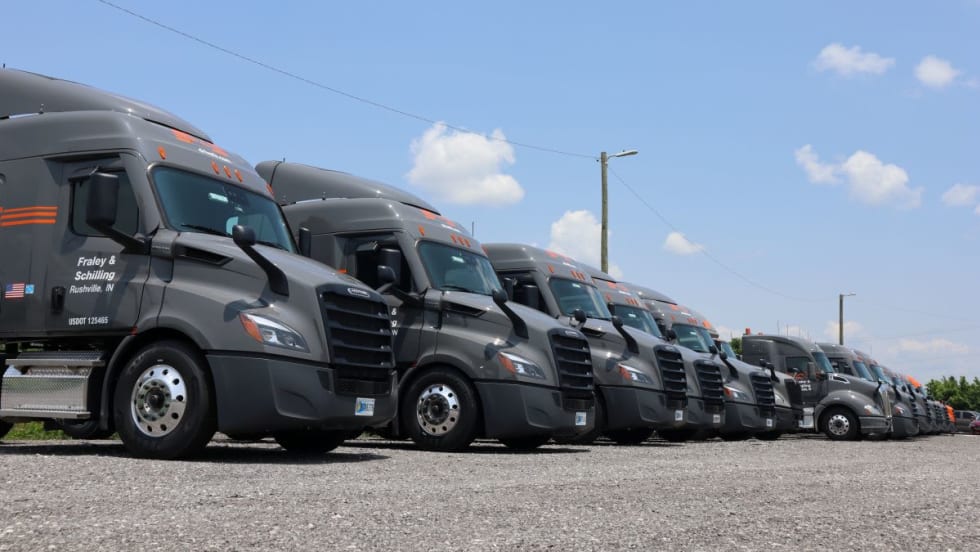
How Fraley & Schilling Improved Logbook Compliance by Over 50%
Fraley & Schilling needed a way to close a compliance workflow gap in its ELD system without adding more work from driver training, reminders, and back-office follow-ups. It found the answer in a custom driver app.
Read More →
Volvo Goes Gaming
Volvo has roared into American Truck Simulator with two new flagship trucks.
Read More →
What the Best Fleets to Drive For Teach About Driver Retention
Survey fatigue, AI-powered routing, owner-operator expectations, and the decline of social media all emerged as themes from this year's Best Fleets to Drive For program.
Read More →
Driver Retention Lessons From the Best Fleets to Drive For
What separates trucking's best workplaces from the rest? Jane Jazrawy shares the biggest lessons from this year's Best Fleets to Drive For program on driver retention, communication, AI, and workforce trends on the HDT Talks Trucking podcast.
Read More →
Farewell, CDL: Why I'm Giving Up My Commercial Driver's License
After more than 20 years as a CDL holder, HDT Executive Editor Jack Roberts is letting his commercial license expire. Not because he wants to — but because trucking's nuclear verdict crisis has made the risks of public-road test drives too great for editors, manufacturers, and everyone involved.
Read More →
How Top Trucking Fleets Improve Driver Retention [Video]
What do healthy snacks, optimized routing, and just picking up the phone have in common? They're all strategies the Best Fleets to Drive For are using to retain truck drivers.
Read More →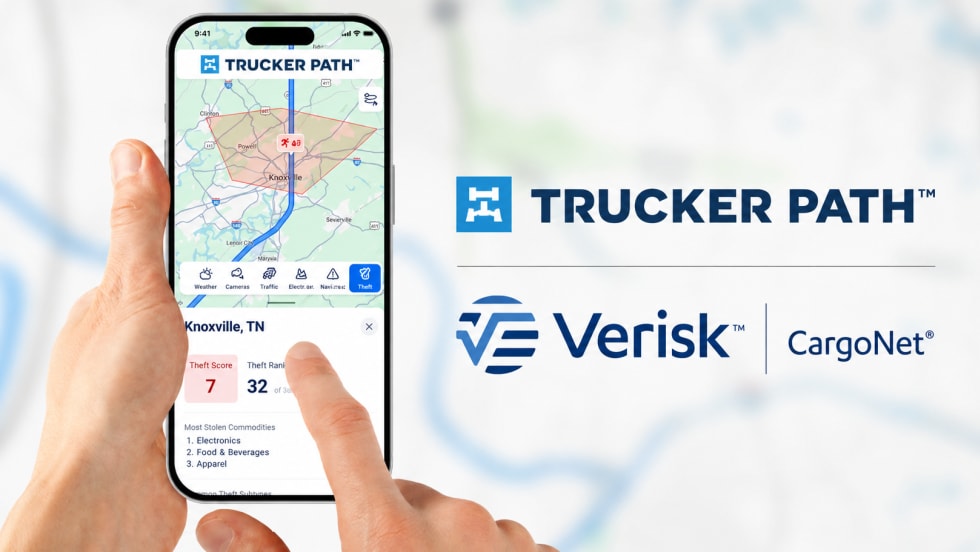
Trucker Path Adds Verisk CargoNet Theft Data to Navigation Platform
Trucker Path’s new cargo theft risk overlays give drivers and fleets visibility into high-risk areas, stolen commodity trends, and theft hotspots.
Read More →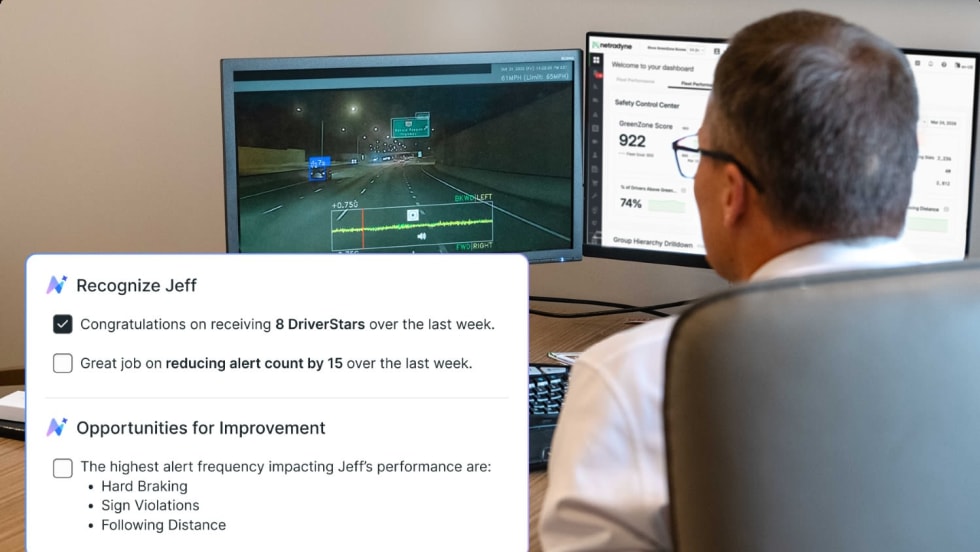
Netradyne Intelligence Uses New AI Agents to Automate Response to In-Cab Camera Data
The company called the next-generation in-cab camera safety platform "a fundamental shift from systems that report on what happened to systems that actively drive what should happen next."
Read More →
Why Truck Detention Keeps Costing Fleets Time and Money
A 2024 ATRI study found detention affects nearly 40% of truckload stops and costs the industry more than $15 billion annually. Despite the toll on drivers, fleets, and supply chains, the problem remains stubbornly persistent.
Read More →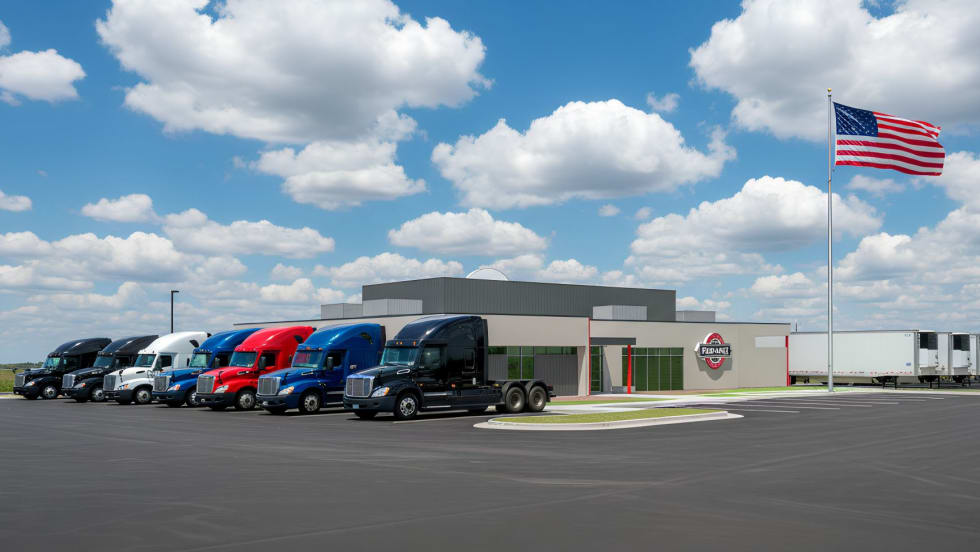
Prime Inc. to Open $7.9M Flagship Used-Truck Dealership
A new driver-focused facility to sell Prime Inc's used trucks and trailers will be the first purpose-built location in the company's history.
Read More →