




FMCSA Considering Using DataQ's to Transmit Crash Accountability Information
The Federal Motor Carrier Safety Administration is considering using its CSA data correction system to gather information about a carrier's accountability in the event of an accident. The agency's DataQ's system, which carriers use now to correct
The Federal Motor Carrier Safety Administration is considering using its CSA data correction system to gather information about a carrier's accountability in the event of an accident.
The agency's DataQ's system, which carriers use now to correct mistakes that have gotten into their CSA scores, could be used by carriers to provide a police accident report that shows accountability, said senior transportation specialist Bryan Price at a forum hosted by the National Transportation Safety Board this week.
The aim would be to improve CSA performance measurement by adding accident accountability to a system that now reports only that an accident has occurred. Trucking interests are troubled by this system because it does not distinguish between preventable and non-preventable accidents.
The agency has said that even without an accountability assessment, crash data are a legitimate indicator of safety performance in the future, but it also says it will assess crashes for accountability before the crash becomes part of the carrier's safety rating.
Price said that the agency is considering the DataQ's approach as a short-term fix in which all crashes are counted unless a carrier files an accident report through DataQs. Longer-term, the agency has said it is considering hiring a contractor to determine crash accountability before the data goes into the system.
Reaction from American Trucking Associations was mixed. Rob Abbott, vice president of safety policy at ATA, said the idea is encouraging. "It shows the agency is sensitive to the need to make these determinations."
But, he continued, the approach would put the onus on the carrier to initiate the process and under the CSA system, which measures one carrier's performance against its peers, it's important that the database include all crashes and not just those that carriers elect to challenge.
ATA favors the idea of the agency forming a team to review all crash reports in a consistent manner to determine accountability, Abbott said.
Steve Keppler, executive director of the Commercial Vehicle Safety Alliance, cautioned that the trucking industry should be careful what it asks for. The quality of police accident reports is uneven because not all officers are trained in truck investigations, he said.
This issue arose during a two-day NTSB forum on truck and bus safety in which board members quizzed FMCSA officials and representatives of the industry, labor and safety advocacy groups on a wide range of safety topics. These representatives also had the opportunity to quiz each other, and FMCSA, so that the board could get a fuller picture of safety politics and practice.
NTSB holds a unique position in the safety community. It is an independent federal agency charged by Congress with investigating transportation accidents in all modes, and making recommendations to improve safety.
"Our goal is to figure out what happened and then, more importantly, why it happened, so that we can work to prevent similar accidents in the future," said Robert Sumwalt, the NTSB member who chaired the forum. Sumwalt is one of five board members, each nominated by the president and confirmed by the Senate.
The board's work is best known to the trucking industry through its list of "Most Wanted" safety improvements. That list currently includes such items as mandated electronic onboard recorders for hours of service tracking, and changing the safety fitness rating method so that vehicle and driver performance can by themselves be grounds for an unsatisfactory rating.
While the board does not have regulatory authority its recommendations carry significant weight in congressional deliberations about truck safety and at times it has been critical of FMCSA's performance.
FMCSA Administrator Anne Ferro, who attended part of the session, described the forum as a setting for consultation and collaboration, and said she expected it to reinforce some agency strategies and give insights into how to improve others.
"We're all headed toward same outcome - the concept that safety is not in conflict with profitability, and that safety is a cultural habit and we need to make sure that the environment sustains that habit," she said.
More Drivers
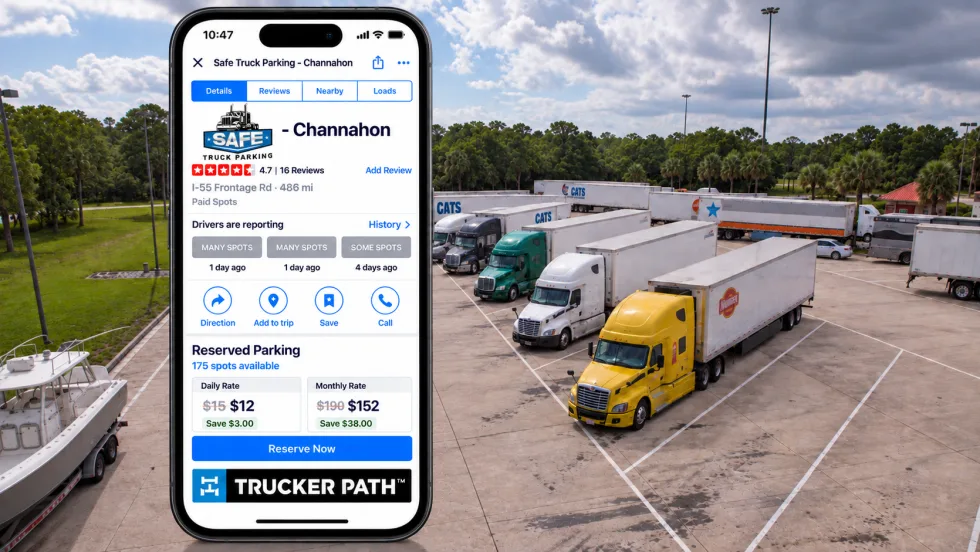
Trucker Path Expands Reserved Parking Network
Trucker Path has added close to 6,000 more truck parking spaces to its Trucker Path Reserved Parking Network with the addition of Safe Truck Parking.
Read More →
EEOC Sues Texas Trucking Company Over Driver Age Limits
The agency says Trancasa USA rejected applicants over 65 and applied tougher driving-record standards to those over 60.
Read More →
Nussbaum, Roehl Announce Second Driver Pay Increase This Year
This year has seen a swath of major truck driver pay increases as freight capacity has tightened.
Read More →
From One Generation to the Next: How Mentorship Builds Safer Truck Drivers
After three decades in trucking, Harold Perry shares what he's learned about driver safety, mentorship, and helping the next generation build confidence behind the wheel.
Read More →
Truck Drivers Need More Than Another Alert
Fleets have more visibility into truck health, safety events, and driver activity than ever. The next challenge is turning all that information into useful guidance for the person who has to decide what to do next.
Read More →
FMCSA Removes 110 Truck Driver Training Schools from Certified ELDT List
Federal regulators also are targeting more than 160 additional training providers and launching a nationwide audit of third-party CDL skills testers as part of a broader crackdown on trucking fraud.
Read More →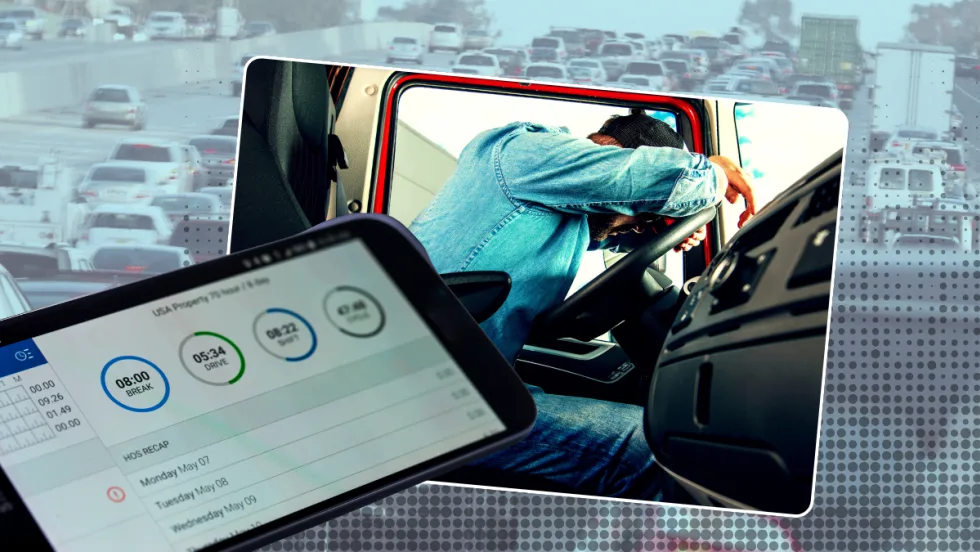
Hours of Service Pilot Programs: FMCSA Readies for 2027 Rollout
Two pilot programs could eventually reshape hours-of-service rules, giving truck drivers options to pause their 14-hour clock or use longer split sleeper rest periods.
Read More →
Medical Cards, English Proficiency Reshape Roadcheck Violations
Medical-card violations jumped to the top of the driver out-of-service list during CVSA’s 2026 International Roadcheck, while English-language proficiency violations appeared among the leading violations for the first time.
Read More →
Driver Trust Can Make or Break the Success of Fleet Safety Technology
New Teletrac Navman research suggests that onboarding, transparency about driver data, and positive feedback can play a significant role in how commercial drivers respond to safety and coaching technology.
Read More →
EEOC Sues KLLM Over Alleged Sex Discrimination in Driver Training
KLLM is facing a federal sex-discrimination lawsuit over policies the EEOC alleges put female truck driver trainees at a disadvantage.
Read More →