




Final Rule Adds 96 Haz-Mat Special Permits
A new final rule from the Pipeline and Hazardous Materials Safety Administration places an additional 96 hazardous-materials special permits into regulation.


Photo: PHMSA

Photo: PHMSA
A new final rule from the Pipeline and Hazardous Materials Safety Administration places an additional 96 hazardous-materials special permits into regulation. PHMSA submitted the rule for publication to the Federal Register on Jan. 12.
The agency said such special permits “set forth alternative requirements— or a variance— to the requirements in the Hazardous Materials Regulations in a way that achieves a safety level at least equal to that required under the regulations.”
PHMSA added that these permits also provide a mechanism for testing new technologies, promoting increased transportation efficiency and productivity and improving global competitiveness.
According to PHMSA, it has previously issued eight separate rulemakings and put 94 hazardous materials special permits into regulation before this latest rule was issued.
The new rulemaking was required by a provision within the Moving Ahead for Progress in the 21st Century Act (MAP-21) highway act, which was signed into law back in 2012.
A preview of the rulemaking transmitted by PHMSA to the Federal Register is available on the agency's website.
More Safety & Compliance
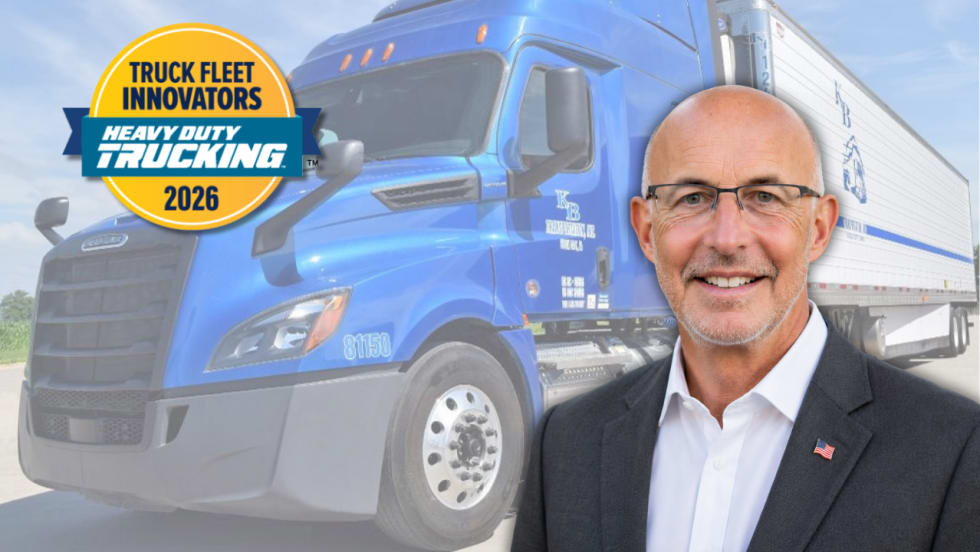
How Lance Evans Turns Enforcement Experience Into Better Fleet Safety
HDT Truck Fleet Innovator Lance Evans brings lessons from law enforcement to K&B Transportation’s approach to safety technology, data, driver coaching, and compliance.
Read More →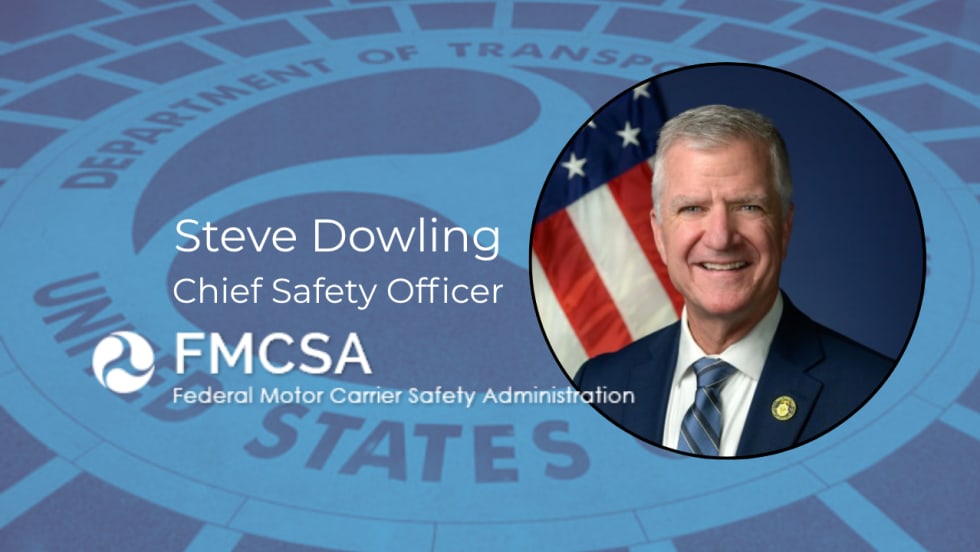
New FMCSA Chief Safety Officer Has Trucking Industry and Law Enforcement Experience
Steve Dowling joins FMCSA after serving as senior director of safety at Covenant Logistics and in leadership roles in commercial motor vehicle industry organizations.
Read More →
Driver Trust Can Make or Break the Success of Fleet Safety Technology
New Teletrac Navman research suggests that onboarding, transparency about driver data, and positive feedback can play a significant role in how commercial drivers respond to safety and coaching technology.
Read More →
FMCSA: Stop Using These 15 Electronic Logging Devices
Fleets and drivers must replace the revoked ELDs with ones on the FMCSA's registered device list of electronic logging devices.
Read More →
How HDT’s 2026 Truck Fleet Innovators Are Rethinking Fleet Operations
Meet five trucking leaders who are challenging assumptions, solving operational problems, and putting innovative ideas to work.
Read More →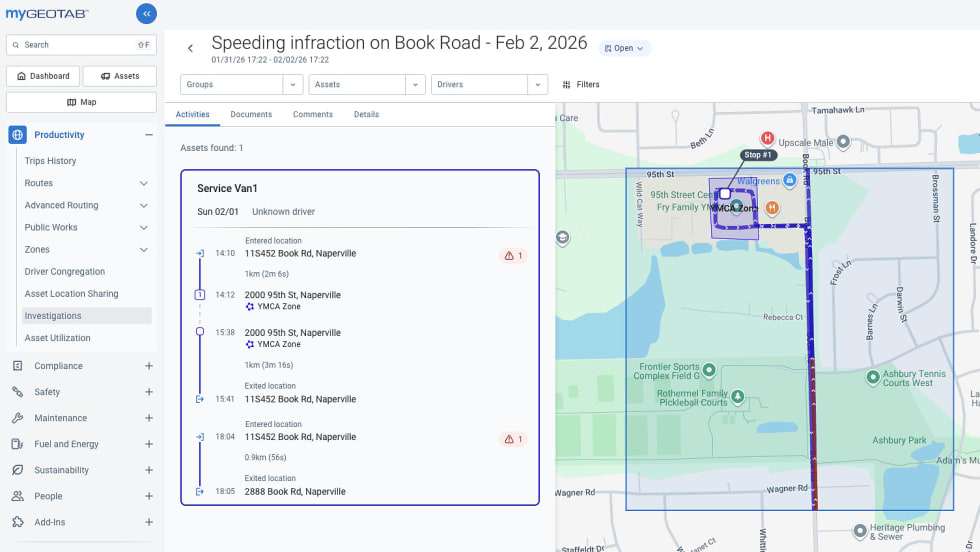
Geotab Launches Tool to Speed Fleet Incident Investigations
Geotab Investigations brings telematics data, video, photos, reports and other evidence into one case file to help fleets determine what happened and resolve incidents faster.
Read More →
FMCSA Moves to Codify English Language Requirements for Commercial Drivers
By changing regulations on English-language proficiency requirements for commercial drivers, rather than relying on a guidance memo, the FMCSA said future administrations won't be able to walk back the Trump administration's stricter enforcement with just a memo.
Read More →
Trump Administration Expands Homeland Security's Role in Trucking Enforcement
The administration's latest trucking crackdown goes beyond roadside inspections, expanding Homeland Security's role in commercial vehicle enforcement and investigations involving CDL training schools.
Read More →
Paccar Recalls 2027 Trucks Built This Summer for Possible Electrical Problem
The nearly 6,000 Kenworth and Peterbilt trucks in the recall could potentially lose engine power, among other things.
Read More →
Brake Safety Week to Focus on Drums and Rotors
Commercial vehicle inspectors will be focusing on brakes during CVSA's Brake Safety Week, August 23-29.
Read More →