




Federal Funds Available For Truck Parking
The American Trucking Associations is chalking up a victory in its effort to get more roadside truck parking
The American Trucking Associations is chalking up a victory in its effort to get more roadside truck parking.
In July, ATA Interim President William Canary wrote to Secretary of Transportation Norman Y. Mineta, asking for clarification on whether states could add truck parking to commuter parking areas and weigh stations using Surface Transportation Program funds or Highway Safety Programs funds. Mineta's reply in late September offered guidelines for using those funds for truck parking - guidelines that will be distributed to state officials.
ATA spokesman Mike Russell said this "is going to go a long way toward solving a common-sense safety issue in a common-sense way."
Surface Transportation Program funds, according to law, can be used for "fringe and corridor parking facilities and programs." The ATA interpreted this to include modifications to existing commuter parking facilities and weigh stations to accommodate truck parking.
Mineta confirmed that state transportation departments may use Surface Transportation Program funds for this purpose. To do so, he said, state transportation officials must conclude that such projects constitute "safety infrastructure improvements and programs" or "hazard eliminations."
Highway Safety Programs funds are commonly referred to as "Section 402" funds. Canary pointed out in his letter to Mineta that many states' Section 402 funds are brimming with money. That's because the majority of states are not in compliance with certain open container and driving while intoxicated requirements set forth by the federal government. When a state is not in compliance, the Federal Highway Administration withholds 1.5 percent of the state's highway construction funds - which is automatically transferred into the Section 402 safety fund. And in fiscal year 2003, the amount withheld with double to 3 percent. There is an extremely limited range of activities eligible for use with these funds, and Canary asked if increased truck parking would qualify. The law says the purpose of the Section 402 program is to "reduce traffic accidents and deaths, injuries, and property damaging resulting therefrom."
Mineta said that the penalty funds resulting from a state's failure to comply with the open container or drunk driver repeat offender requirements may be used only for measures to reduce alcohol-impaired driving. However, the transferred penalty funds could be used under the Hazard Elimination Program. To do this, the state would have to conduct a survey that documents a safety problem related to the lack of parking spaces for truckers. Each state has an established process for selection of projects under the Hazard Elimination Program.
Mineta notes in his letter that he "shares the growing concern about this issue, which will be the subject of a U.S. Department of Transportation report to Congress this year on the adequacy of parking facilities for commercial trucking."
More Safety & Compliance

FDA Eases Path for Oral-Fluid Testing
Federal actions could advance oral-fluid drug testing for truck drivers, but lab certification delays and marijuana rescheduling questions remain.
Read More →
Kodiak Lines Up Fleets for Driverless Trucking
An agreement for 75 trucks, a new Texas freight lane, and progress on safety validation move Kodiak closer to its planned driverless highway launch.
Read More →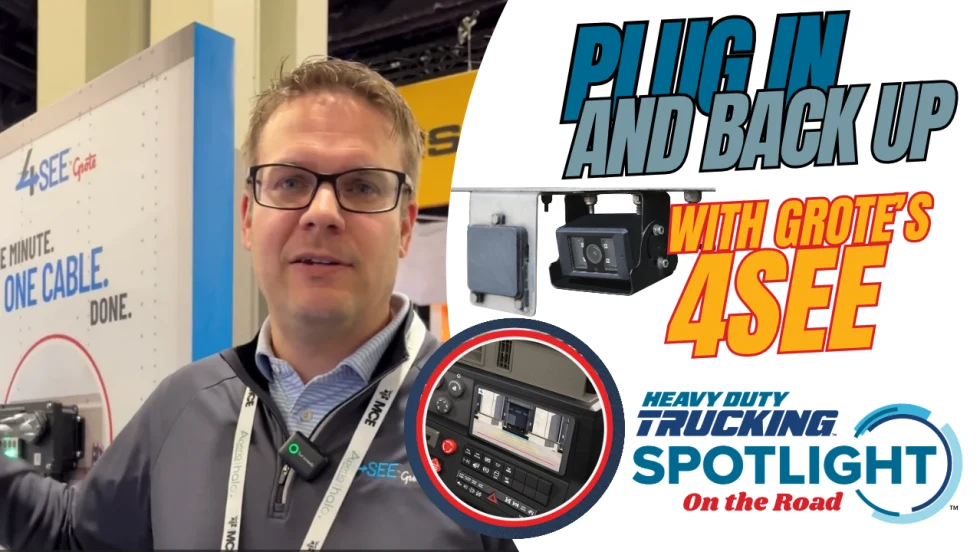
More Trailer Data Through the Same Seven-Way [Video]
Can trucking’s standard seven-way connector handle more cameras and trailer data? Grote’s Adam Slade shows HDT how the company is using new technology with its 4See trailer system, not only to add a new backup camera but also to expand other capabilities — without adding another connection.
Read More →

PrePass Intelligence Mines Fleet Bypass, Toll and Safety Data
PrePass Intelligence helps fleets measure bypass savings, flag potential toll overcharges, and spot suspicious transactions by combining data from separate systems.
Read More →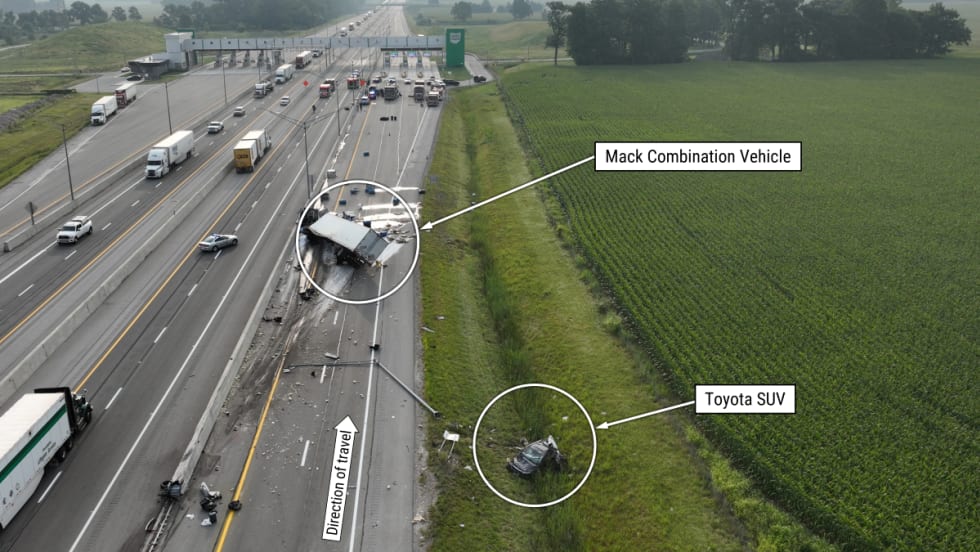
Fatal Crash Exposes Toll Plaza Risks
An NTSB investigation found that last-minute lane changes and large speed differences at an Ohio toll plaza created a hazard the truck driver couldn't avoid in time.
Read More →
When Language Stops the Truck: The Return of ELP Out-of-Service Orders
English language proficiency rules for commercial drivers aren’t new, but renewed out-of-service enforcement has raised the stakes. Here’s what carriers need to know before a driver reaches a roadside inspection.
Read More →
A Camera Isn't a Safety Program. Here's What Brokers Are Screening for Now
Footage alone may not be enough to pass broker vetting processes. Here's what counts as a defensible safety program now.
Read More →
Marijuana and Trucking’s Drug-Testing Dilemma
Marijuana is getting stronger, laws are changing, and drug tests still can’t reliably establish impairment. What does that mean for truck drivers and the fleets that employ them?
Read More →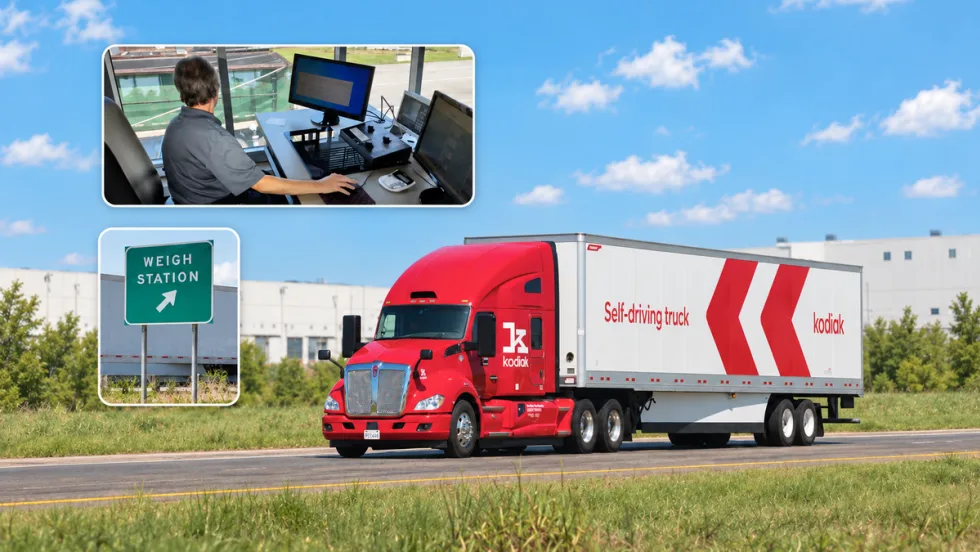
PrePass, Kodiak Connect Driverless Trucks to Roadside Enforcement
The system will allow enforcement agencies to verify Enhanced Inspection information and decide whether Kodiak’s autonomous trucks can bypass roadside screening sites.
Read More →
From One Generation to the Next: How Mentorship Builds Safer Truck Drivers
After three decades in trucking, Harold Perry shares what he's learned about driver safety, mentorship, and helping the next generation build confidence behind the wheel.
Read More →