




Federal Court: Bid to Halt Mexican Trucking Lacks Merit
A Teamsters union effort to halt a program to give U.S. truck drivers access into Mexico and allow a limited number of Mexican trucks to operate long-haul routes within the United States lacks merit, according to document
A Teamsters union effort to halt a program to give U.S. truck drivers access into Mexico and allow a limited number of Mexican trucks to operate long-haul routes within the United States lacks merit, according to documents
filed with the U.S. Court of Appeals for the Ninth Circuit Friday.
The documents were filed on behalf of the Federal Motor Carrier Safety Administration in response to an emergency stay request filed by the Teamsters and other groups last week.
The emergency motion is "notable for the complete absence of any assertion of immediate and irreparable injury," according to the government's court filing. The government argues that the court should not issue a stay "in light of the petitioner's failure to show any irreparable injury."
The government filing notes, for example, that each year trucks from Mexico make 4.5 million trips across the border into U.S. cities like San Diego and El Paso. These trucks have a safety record that meets and in some cases exceeds the safety record of U.S. trucks.
The filing adds that the department's cross border truck demonstration program will have no impact on safety, given the thorough pre-screening and safety inspections that every truck from Mexico will have to endure before being allowed to travel into the United States and beyond the existing commercial border zones.
The government response to the stay motion also notes that 44 trucks from Mexico are expected to participate in the program during its first 30 days, and that during the year-long program no more than 100 carriers will be authorized to participate.
Meanwhile, Teamsters General President Jim Hoffa said the negative publicity generated by the union's request for an injunction has forced the Bush administration to delay its proposed pilot program.
"Dangerous trucks should not be driving all the way from Mexico to Maine and Minnesota," Hoffa said. "The American people understand that, Congress understands that and the Teamsters understand that. What is it about safety and national security that George Bush doesn't understand?"
"I will continue to fight like hell to prevent Mexican trucks from endangering lives throughout the United States," Hoffa said. "I'm confident the court will side with the Teamsters and with the American people by blocking this program before it starts [this] week."
The Teamsters will also ask Congress to block the program as soon as it returns from vacation.
In a related story, the former top lawyer from the federal agency responsible for trucking safety says there is no reason to fear a pilot program that will allow trucks from Mexico to gain greater access to highways in the United States.
Attorney Brigham McCown of Winstead PC in Dallas is the former general counsel for the Federal Motor Carrier Safety Administration who helped negotiate and design the new program while serving as a senior Bush Administration official at the U.S. Department of Transportation in Washington, D.C.
The FMCSA program will allow approximately 100 registered truck carriers from Mexico to travel beyond the current restricted U.S. border zone. The Teamsters union has asked a federal appeals court to keep the program from going forward.
"The last-minute attempts to block the program are just the desperate efforts of a few people who want to protect their own turf," McCown said. "We've been over this for two decades. What they fail to tell you is that trucks from Mexico that were grandfathered before a moratorium in the 1980s travel down our roads - without incident - every day, and have done so for years."
"What these people are saying is that 10 million professional drivers and a half million U.S. companies will be overwhelmed by a few hundred trucks from Mexico. More important is the fact that for the first time ever, Mexico must open its markets to U.S. trucks. My money is on the American truckers," he said.
More Equipment
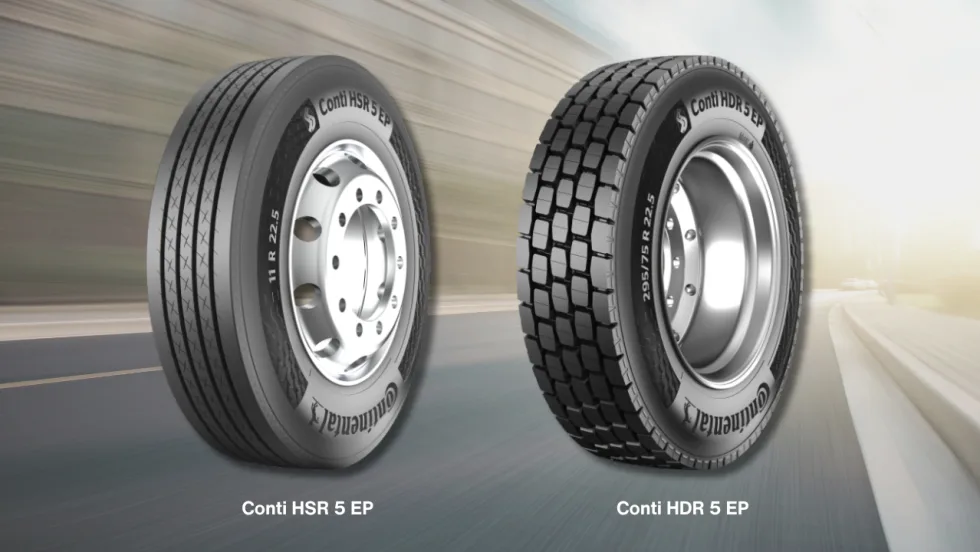
Continental Introduces New Regional Truck Tires
Continental says its new Generation 5 steer and drive tires for regional operations offer longer tread life, with estimated mileage gains of 22% and 19%, respectively.
Read More →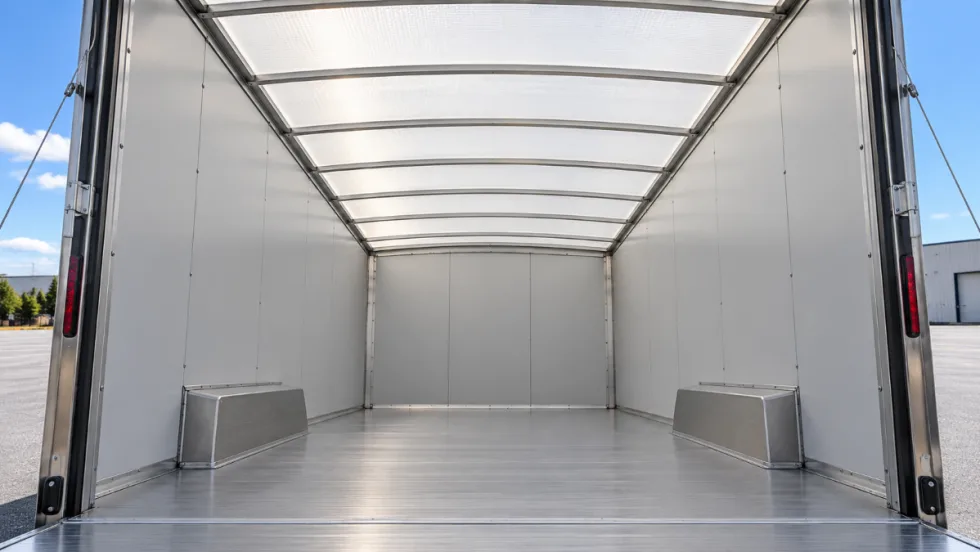
Tekmodo Introduces CargoBright Brand for Translucent Trailer Roofs
CargoBright is designed to diffuse daylight across the cargo area while performing as a working vehicle roof.
Read More →
Fleet Economics Shape Electric Truck Outlook
ACT Research expects costs, charging infrastructure, and technology improvements to drive zero-emission commercial vehicle adoption as federal regulations and incentives retreat.
Read More →
Kodiak Targets Dallas–Houston for Driverless Trucks
The company says its autonomous trucks are completing the I-45 run without a safety observer taking control. It plans to remove the observer by the end of 2026.
Read More →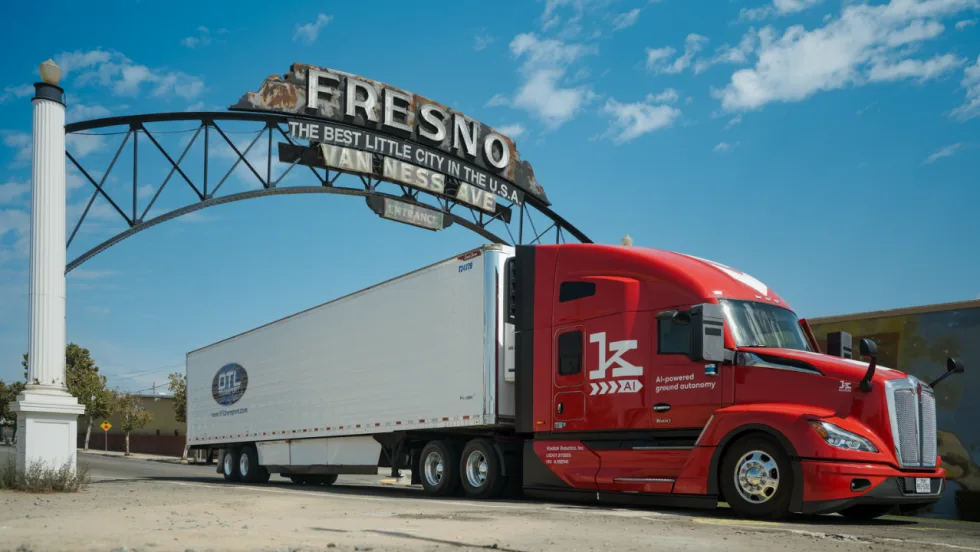
Kodiak Hauls Produce in California Autonomous Truck Pilot
Kodiak AI and DTL Transport have begun hauling produce between Fresno and Los Angeles under California’s new rules for testing heavy-duty autonomous trucks. A safety driver remains behind the wheel.
Read More →
Used-Truck Remarketing Math Is Changing
Used-truck value is no longer just a concern at trade-in. Decisions made throughout a truck’s first life can influence what it’s worth years later.
Read More →
How Volvo Updated Its D13 for EPA 2027 [Watch]
Volvo’s updated D13 promises lower emissions without sacrificing performance or fuel economy. Take a closer look at what changed inside the engine in this HDT Spotlight video.
Read More →
Michelin Tire Improves Efficiency and Durability for Regional Fleets
The Michelin X Multi Energy D2 is a regional haul drive tire engineered to help fleets improve fuel efficiency, durability and traction in demanding stop-and-go operations.
Read More →
ZF Expands Commercial Vehicle Push in North America
ZF is expanding its North American commercial-vehicle presence with new transmission applications, electrification, trailer technology and autonomous-driving systems.
Read More →
Tesla Wants a Self-Driving Semi. Are Cameras Enough?
Could Tesla’s camera-only autonomous driving technology work on an 80,000-pound Semi? In this commentary, HDT's Deborah Lockridge takes a look at Tesla, Cybercab, and how autonomous trucks see the road.
Read More →