




FCMSA to Hold Autonomous Vehicle Listening Session in Atlanta
How do you inspect an autonomous truck? That and other questions are on the minds of federal officials who scheduled a listening session, amid speculation the DOT is preparing to issue guidelines for autonomous vehicle use – perhaps before year's end.
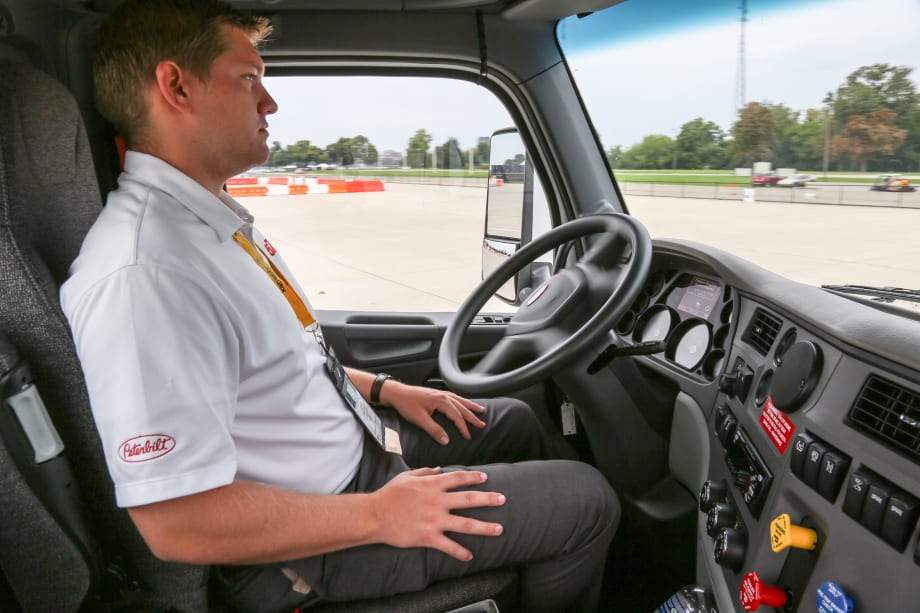
FMCSA will webcast its listening session from Atlanta on April 24. Photo: Peterbilt

The Federal Motor Carrier Safety Administration will hold a public listening session to collect comments and information on autonomous truck technology, or what it calls "highly automated commercial vehicles," at the Commercial Vehicle Safety Alliance Workshop in Atlanta on April 24.
FCMSA will webcast the entire session to allow for increased viewing and participation for those unable to attend in person.
The listening session will occur amid speculation the DOT is preparing to issue preliminary guidelines for the operation of autonomous vehicles, perhaps as early as this year.
The regulatory provisions FCMSA is soliciting comments and feedback on include title 49 CFR to HACVS: part 383 (Commercial Driver’s Licenses): part 391 (Qualification of Drivers); sections 392.80 and 392.82 (use of electronic devices); part 395 (Hours of Service of Drivers); and part 396 (Inspection, Repair, and Maintenance). The agency is also requesting comments on how enforcement officials could identify commercial motor vehicles capable of various levels of automated operation, and the types of HACV equipment that can be effectively inspected at roadside.
The listening session is scheduled to being at 9:30 a.m. EST and run until noon. More information can be found here.
More Equipment
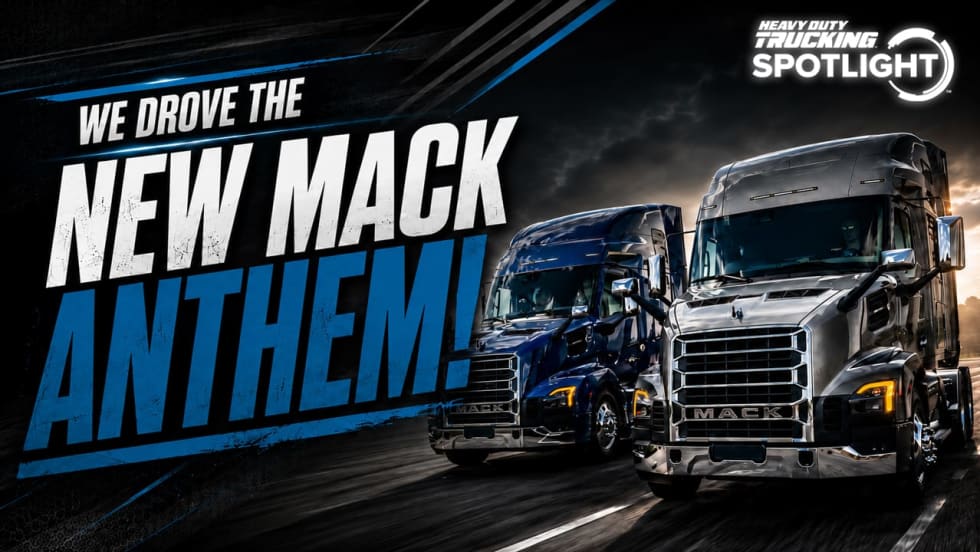
Behind the Wheel of the New Mack Anthem [Video]
HDT takes the new Mack Anthem around Mack’s Pennsylvania test track to see how its driver-focused design, technology, visibility and handling perform from behind the wheel.
Read More →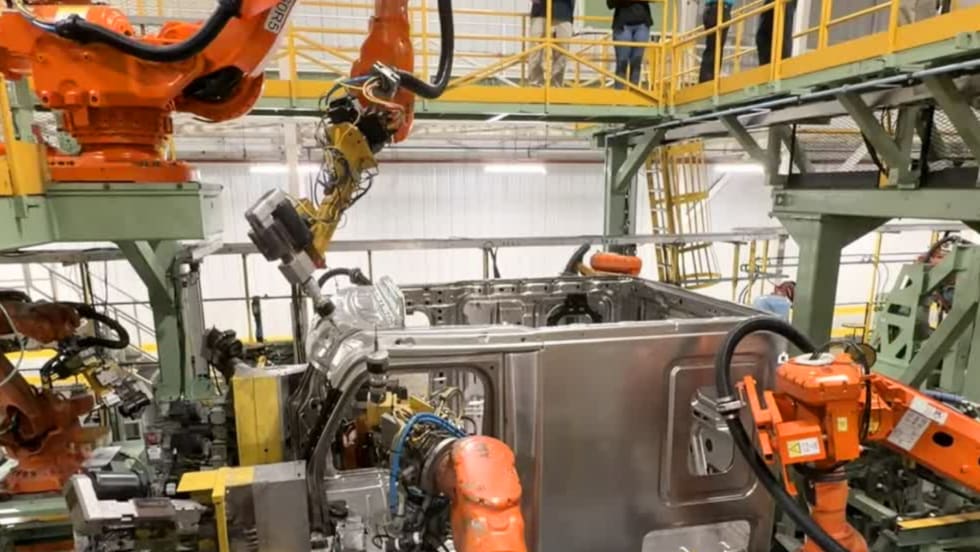
DTNA Plans New U.S. Truck Plant as Manufacturing Footprint Shifts
Daimler Truck North America is evaluating sites for a new assembly plant expected to open in 2029 while winding down operations at its longtime Portland manufacturing facility.
Read More →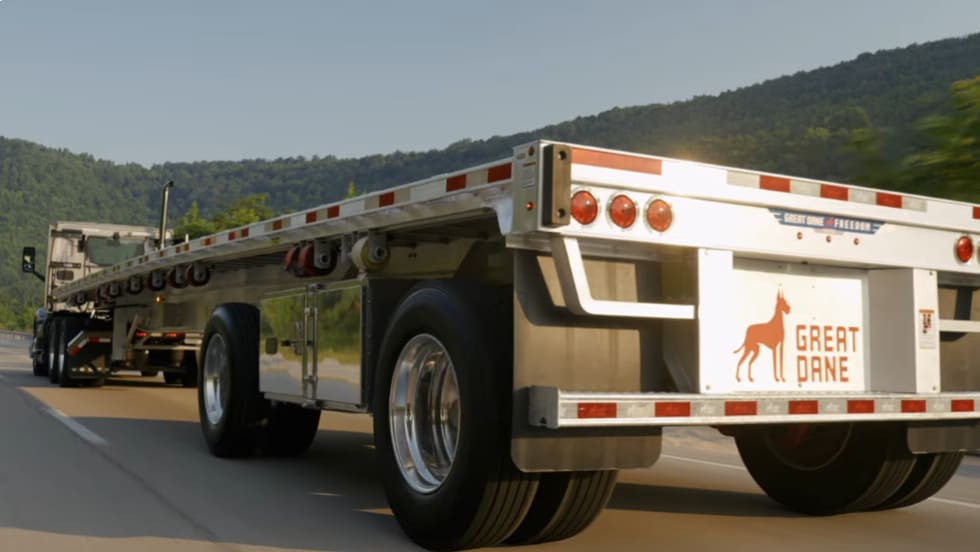
Great Dane Flatbed Trailer Offers Light Weight and Strength
Freedom Ultra is designed for a wide range of open-deck applications, including building materials, lumber, machinery, steel products, industrial freight, and coil hauling.
Read More →
What It's Like Inside this Custom 2025 Peterbilt 589?
Take a driver's-eye tour of this customized 2025 Peterbilt 589 in this video, as longtime driver Ingrid Brown explains its features, compares it to previous models, and shares plenty of personality along the way.
Read More →
Drivers Put Western Star Trucks to the Test at Star Nation Experience
Watch to get an inside look at the Western Star trucks, technology, and community behind the Star Nation Experience 2026!
Read More →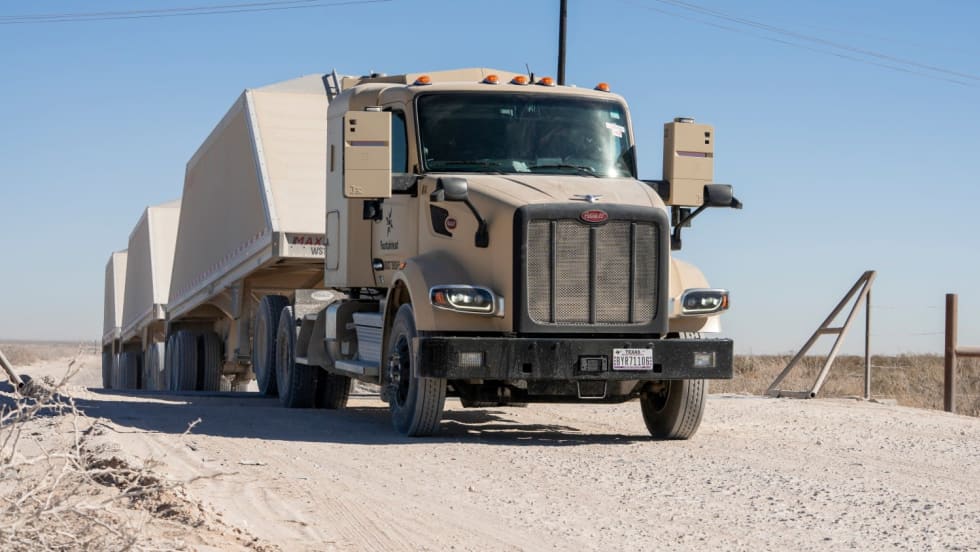
Atlas Expands Kodiak Driverless Truck Fleet in Permian Basin
Atlas Energy Solutions is expanding autonomous frac sand hauling in the Permian Basin with a second load-out location and plans for 100 driverless trucks by mid-2027.
Read More →
Putting Mack’s Command Steer to the Test
A test drive of Mack’s Command Steer active steering system evaluates how it can make truck driving easier and less tiring.
Read More →
Mack, Volvo Expand DEF Derate Software Updates
The updated software gives Mack and Volvo truck owners more time to address DEF-related issues before the engine derates or the vehicle goes into reduced-speed inducement, following new EPA guidance.
Read More →
Rush, MCT Team Up to Grow Refrigeration Service Network
The joint venture will operate MCT's network of Carrier Transicold dealerships and mobile service locations, with the companies promising greater service capacity and uptime for refrigerated fleets.
Read More →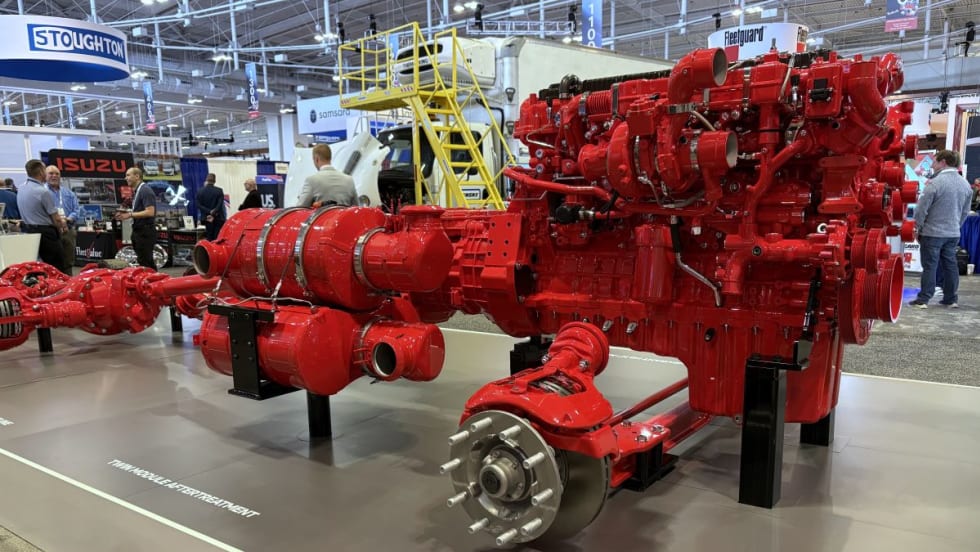
Cummins Adjusts 2027 Engine Rollout After EPA Proposal
The engine maker will gradually introduce its new Model Year 2027 diesel engines while continuing to offer current models during the transition, citing the EPA's proposed emissions rule changes.
Read More →