





Related: Emissions Yesterday, Today and Tomorrow: Where We've Been
EPA Sues Navistar, Says Some Engines Were Illegal
Because 7,750 engines were not fully assembled in 2009 but in 2010, the Environmental Protection Agency says Navistar should have obtained an exemption in the form of a certificate of compliance, but didn’t.
July 17, 2015
2 min to read
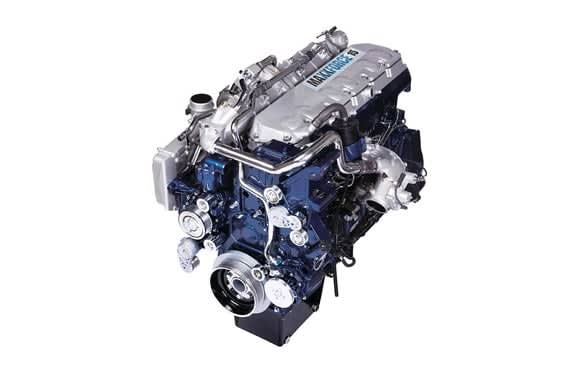
Navistar Inc.’s 2009-2010 “transition” strategy for exhaust-emissions compliance has led to a lawsuit filed on Wednesday by the U.S. Environmental Protection Agency.
EPA claims 7,750 Navistar diesels sold in International trucks during 2010 were not true 2009 models, and without formal exemptions, they were illegal.
The suit is the latest development resulting from the company's tried but failed strategy to use a less costly method to meet emissions limits. It was temporarily helped by EPA in an emergency ruling that allowed continued production of the engines while Navistar continued to work on its technology. That ruling was challenged by competitors and thrown out by a federal judge.
In 2009, Navistar executives announced that their 2010 emissions strategy would include their own engines using “advanced exhaust gas recirculation,” but not selective catalytic reduction that its competitors were adopting. It also continued selling ’09 pre-SCR Cummins ISX15 diesels well into 2010, and used EPA-issued credits that it had previously earned. Executives criticized SCR, saying it put the burden of compliance on customers.
In its lawsuit this week, EPA charged that Navistar “sold, offered for sale, introduced or delivered engines that did not satisfy emissions standards applicable to model-year 2010 engines.” EPA said that because the 7,750 Navistar engines in question were not fully assembled in 2009 but in 2010, the company should have obtained an exemption in the form of a certificate of compliance, but didn’t. Navistar has said the engines should be considered “transitory” and legal.
“We dispute these allegations,” said Navistar spokesman Steve Schrier. “We believe our 2010 engine transition was appropriate and we intend to aggressively defend our position going forward. Beyond this, we don’t comment on pending litigation.”
The company could face fines of up to $300 million, though observers say that the penalties probably wouldn’t run that high. The suit was filed in the U.S. District Court for Northern Illinois.
Navister never could quite meet absolute limits for nitrogen oxides, or NOx, and the engines proved unreliable, prompting multiple lawsuits from customers. Navistar spent millions for warranty repairs and ran numerous “campaigns” that sought to reset electronic controls and otherwise correct deficiencies.
Missed sales and financial losses caused a decline in stock value and shakeups in top management.
In 2012 Navistar abandoned its EGR-only strategy and got help from Cummins for SCR equipment, and resumed buying Cummins diesels for use in International trucks. Navistar’s sales have been recovering and its financial performance has improved.
More Equipment

More Trailer Data Through the Same Seven-Way [Video]
Can trucking’s standard seven-way connector handle more cameras and trailer data? Grote’s Adam Slade shows HDT how the company is using new technology with its 4See trailer system, not only to add a new backup camera but also to expand other capabilities — without adding another connection.
Read More →
Grote: More Cameras, Same Seven-Way Connector
The next-generation 4See rear-view backup camera from Grote uses the standard seven-way connector and supports additional cameras and other trailer data.
Read More →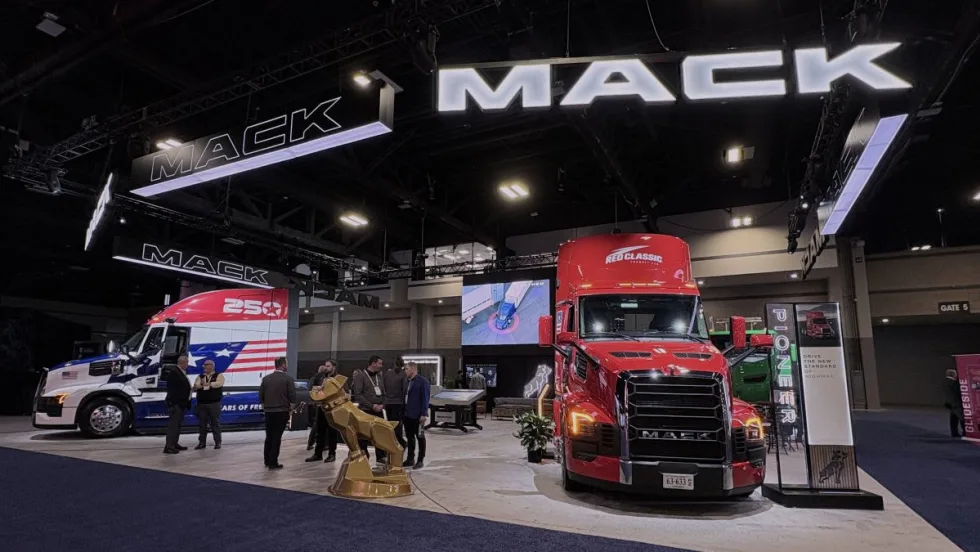
Trucks at ATA's 2026 MC&E in Charlotte, North Carolina [Photos]
From rigs decked out in patriotic America's 250 paint schemes to autonomous trucks and more, check out these photos from ATA's 2026 Management Conference & Exhibition.
Read More →
Help HDT Find Trucking’s Top Products
Have you come across a new product that could make a difference for trucking fleets? Nominate it for HDT’s 2027 Top 20 Products Awards by November 9.
Read More →
Volvo Unveils New VNX Heavy-Haul and Vocational Truck
Volvo Trucks has launched the VNX, a new vocational truck also available as a tractor in day cab and two sleeper configurations, with one heavy-haul model. The Volvo VNX is powered by Volvo's D13 platform, which delivers up to 540 horsepower and 1,950 pound-feet of torque and is EPA 2027-compliant.
Read More →
How GP Transco Cuts Trucking Fuel Costs, a Tenth of a Gallon at a Time
What’s another tenth of a mile per gallon worth? GP Transco shares how equipment upgrades and driver coaching turn small gains into meaningful fuel savings.
Read More →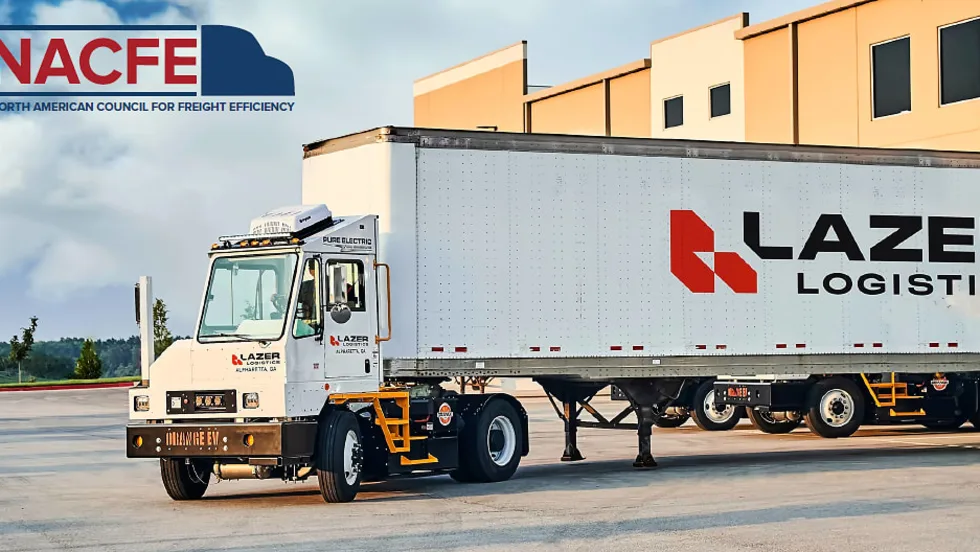
Electric Yard Tractors Move Beyond Pilots
Operating-cost savings have overtaken sustainability goals as the leading reason surveyed fleets are adopting battery-electric terminal tractors, according to new NACFE research.
Read More →
Continental Introduces New Regional Truck Tires
Continental says its new Generation 5 steer and drive tires for regional operations offer longer tread life, with estimated mileage gains of 22% and 19%, respectively.
Read More →
Tekmodo Introduces CargoBright Brand for Translucent Trailer Roofs
CargoBright is designed to diffuse daylight across the cargo area while performing as a working vehicle roof.
Read More →
Fleet Economics Shape Electric Truck Outlook
ACT Research expects costs, charging infrastructure, and technology improvements to drive zero-emission commercial vehicle adoption as federal regulations and incentives retreat.
Read More →