




Drowsy Drivers Everywhere
With all the focus on truck driver fatigue as the industry debates the federal government's hours of service proposal, it might be worthwhile if federal officials took a look at the sleep debt of Americans in
With all the focus on truck driver fatigue as the industry debates the federal government's hours of service proposal, it might be worthwhile if federal officials took a look at the sleep debt of Americans in general, since they're behind the wheel of the cars that cause over 70% of car-truck crashes.
The National Sleep Foundation is rolling out an educational tour featuring the results of its Sleep Census 2000 poll. According to the survey, Americans are losing nearly 6 hours of sleep per week -- and 70% say they have felt drowsy while driving.
A national phone survey of 1,154 American adults, the National Sleep Foundation's 2000 Omnibus Sleep in America Poll examined the public's beliefs and habits regarding sleep, and the consequences of these beliefs and habits.
The survey found, no surprise, that most adults in the U.S. get less sleep than they need. On average, adults sleep 6 hours and 54 minutes during the workweek, about an hour less than the 8 hours recommended by sleep experts. Only a third said they get at least the recommended 8 hours or more of sleep per night during the workweek. Most adults compensate for their sleep loss during the workweek by sleeping longer on the weekend.
Yet most people surveyed said they realized that getting more sleep was important to their health. When presented with a list of four considerations for maintaining one's health-good nutrition, regular exercise, getting enough sleep and managing stress-sleep ranks third as the most important component of good health according to U.S. adults.
So why aren't Americans sleeping enough? Almost one-half of all adults (45%) agree strongly or somewhat with the statement that they will "sleep less to get more work done." More than one out of ten adults (13%) report that sleep is the first thing they give up as compared to time with family/friends, recreational activities, and household/personal chores when they do not have enough time to get everything done.
Respondents also admitted that this lack of sleep affects their daily lives. A sizable proportion of adults (43%) report that they are so sleepy during the day that it interferes with their daily activities a few days per month or more; and, one out of five (20%) experience this level of daytime sleepiness at least a few days per week or more. Further evidence for the high level of daytime sleepiness experienced by U.S. adults is found in the one-third (32%) who suffer from significant daytime sleepiness as measured by a score of 10 or more on the Epworth Sleepiness Scale. (To get this score, individuals rate their chance of dozing off during eight routine, daytime situations using a scale of 0 (would never doze) to 3 (high chance of dozing).
Not surprisingly, more than one-third (37%) of those adults suffering from daytime sleepiness say they are not satisfied with the amount of sleep they get during the workweek, compared to one out of five (18%) adults without significant daytime sleepiness.
About one-half of adults in the U.S. (51%) report driving while drowsy in the past year; nearly one out of five (17%) have actually dozed off while driving. And according to the survey, it looks like driving while drowsy could also help contribute to road rage. About four out of ten adults (42%) say they become stressed while driving when drowsy. Nearly one-third of drivers (32%) report becoming impatient when driving drowsy, and more than one out of ten drivers (12%) report that they drive faster when they feel drowsy.
Nevertheless, Americans seem more concerned about fatigue in truck drivers and other transportation workers than in themselves. The vast majority of U.S. adults (92%) are very or somewhat concerned about the number of hours that transportation workers drive. And, nearly all adults (95%) support limiting the number of hours transportation workers can drive.
More Safety & Compliance
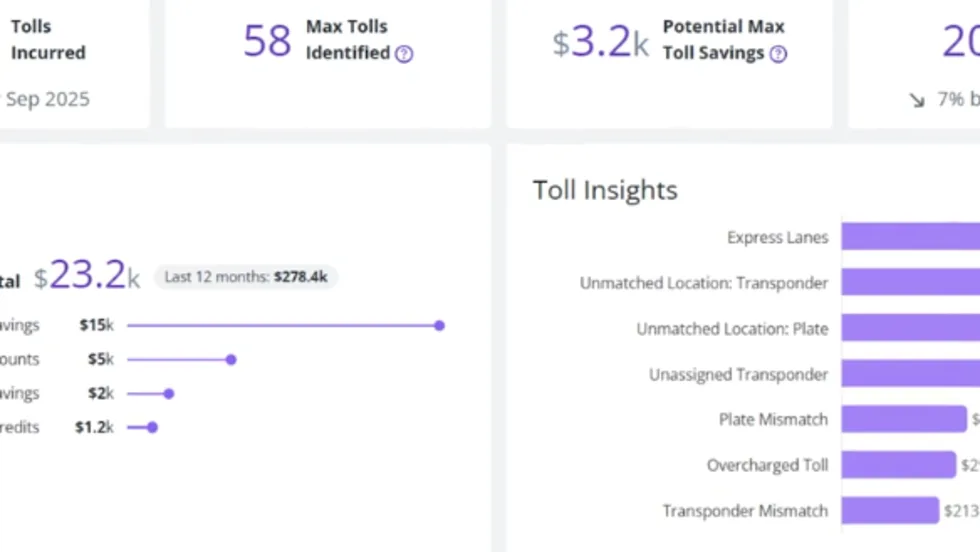
PrePass Intelligence Mines Fleet Bypass, Toll and Safety Data
PrePass Intelligence helps fleets measure bypass savings, flag potential toll overcharges, and spot suspicious transactions by combining data from separate systems.
Read More →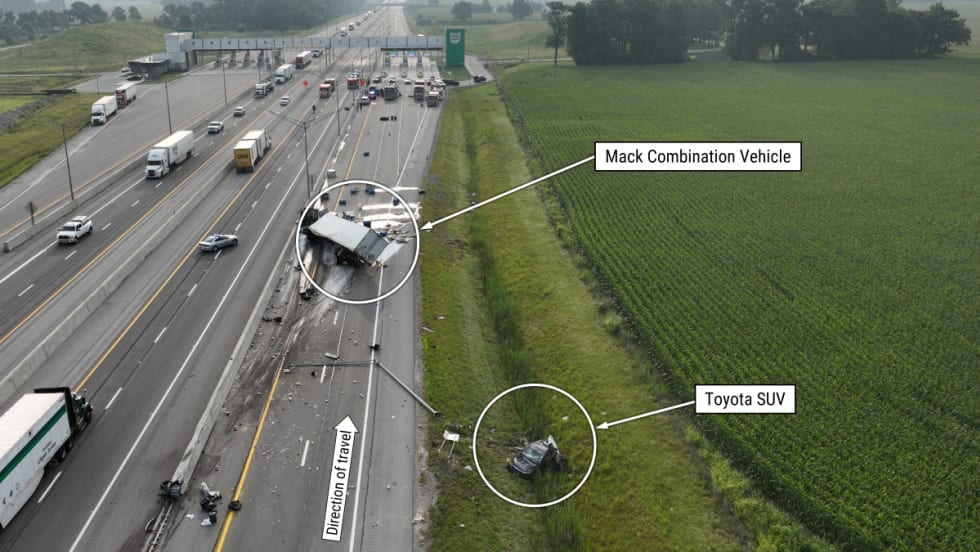
Fatal Crash Exposes Toll Plaza Risks
An NTSB investigation found that last-minute lane changes and large speed differences at an Ohio toll plaza created a hazard the truck driver couldn't avoid in time.
Read More →
When Language Stops the Truck: The Return of ELP Out-of-Service Orders
English language proficiency rules for commercial drivers aren’t new, but renewed out-of-service enforcement has raised the stakes. Here’s what carriers need to know before a driver reaches a roadside inspection.
Read More →

A Camera Isn't a Safety Program. Here's What Brokers Are Screening for Now
Footage alone may not be enough to pass broker vetting processes. Here's what counts as a defensible safety program now.
Read More →
Marijuana and Trucking’s Drug-Testing Dilemma
Marijuana is getting stronger, laws are changing, and drug tests still can’t reliably establish impairment. What does that mean for truck drivers and the fleets that employ them?
Read More →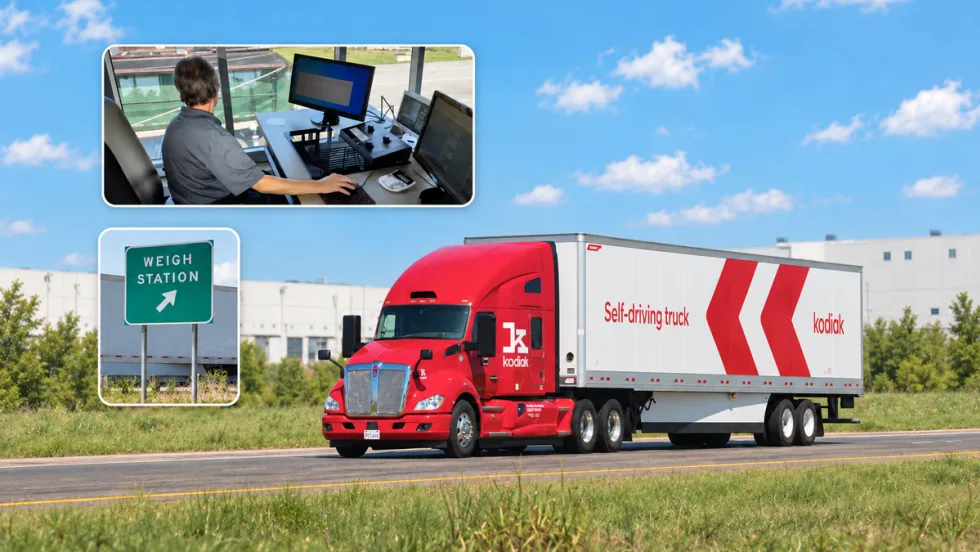
PrePass, Kodiak Connect Driverless Trucks to Roadside Enforcement
The system will allow enforcement agencies to verify Enhanced Inspection information and decide whether Kodiak’s autonomous trucks can bypass roadside screening sites.
Read More →
From One Generation to the Next: How Mentorship Builds Safer Truck Drivers
After three decades in trucking, Harold Perry shares what he's learned about driver safety, mentorship, and helping the next generation build confidence behind the wheel.
Read More →
FMCSA Pauses Biennial-Update Enforcement Amid Motus Transition
Carriers whose updates were due on or after June 1 have more time, while FMCSA works to stabilize its new registration system and warns of phishing sites impersonating its new carrier registration system, Motus.
Read More →
ZF Expands Commercial Vehicle Push in North America
ZF is expanding its North American commercial-vehicle presence with new transmission applications, electrification, trailer technology and autonomous-driving systems.
Read More →
Truck Drivers Need More Than Another Alert
Fleets have more visibility into truck health, safety events, and driver activity than ever. The next challenge is turning all that information into useful guidance for the person who has to decide what to do next.
Read More →