




Driver Pay Hikes Slow in Third Quarter
Profit pressures from high fuel costs plus a softening of freight activity has caused truckload carriers to put the brakes on driver wage increases, says SignPost Inc. According to the company’s latest National Survey of Driver Wages, fewer than 15% of carriers made wage changes in the third quarter of 2000. By comparison, more than 20% made changes in third quarter 1999, 23% in 1998, and almost 25% in 1997
Profit pressures from high fuel costs plus a softening of freight activity has caused truckload carriers to put the brakes on driver wage increases, says SignPost Inc.
According to the company’s latest National Survey of Driver Wages, fewer than 15% of carriers made wage changes in the third quarter of 2000. By comparison, more than 20% made changes in third quarter 1999, 23% in 1998, and almost 25% in 1997.
Moreover, half of the changes were adjustments to benefits rather than wages. SignPost calculates that the dollar value of wages and benefits paid to drivers rose only 1.5% on an annualized basis -- significantly lower than a 3.6% raise third quarter 1999, 4.3% in 1998, and 4.8% in 1997.
Among carriers that did raise wages, the average increase was 2.6%. Reefer carriers averages 4.5%, dry van carriers 2.6%, and flatbed carriers 0.7%.
SignPost’s Major Carrier Wage Index, based on pay packages of the country’s largest truckload carriers, sets the average starting pay for a driver with three years of experience at 31 cents a mile versus 29.8 cents a year ago. Average pay for dry van carriers is 31.5 cents, up from 30.3 cents the same time last year. Average pay for flatbed carriers is 31.3 cents versus 30.3 cents. Average for refrigerated carriers is 30.1 cents versus 28.8 cents.
More information about SignPost and The National Survey of Driver Wages can be found at www.natlsrvy.com.
More Fleet Management
Is Your Parts Procurement Process Reactive or Proactive?
Ready to revamp your parts procurement process? Learn how now with “Strategic Parts Purchasing: A Process Checklist”
Read More →
What Trucking Events are Happening in 2026?
Looking for trucking-related conventions, expos, and other events? Heavy Duty Trucking has developed this list of national and larger regional trucking shows and events.
Read More →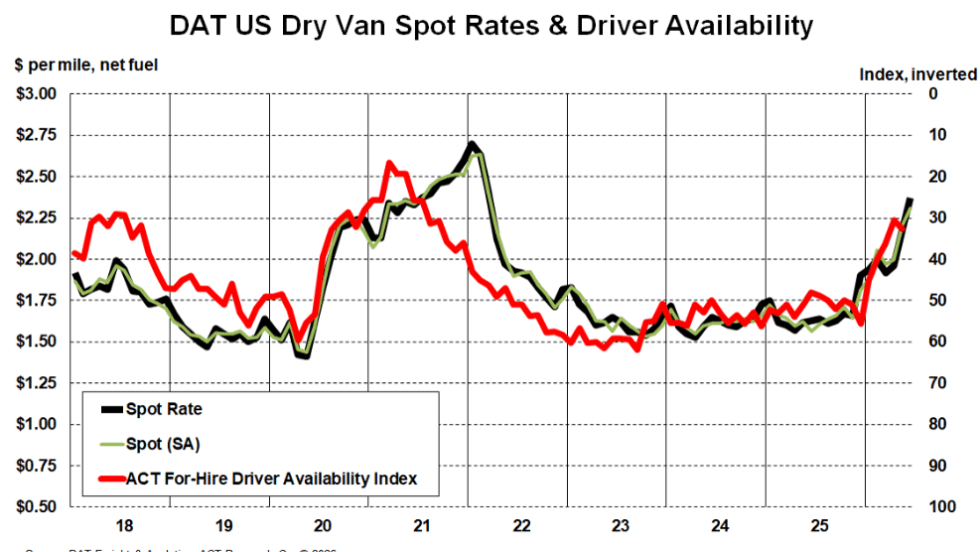
Truckload Rates Keep Rising as Tight Capacity Fuels Freight Market Recovery
Spot and contract rates continued climbing in May and June, not because freight demand is surging, but because fewer trucks and drivers are available.
Read More →
What Geotab's New AI Connector Means for Fleets
Fleets can now ask their usual AI assistants questions about maintenance, safety, fuel use, and vehicle performance, using their live Geotab data, and take action on the answers without leaving their preferred AI tool.
Read More →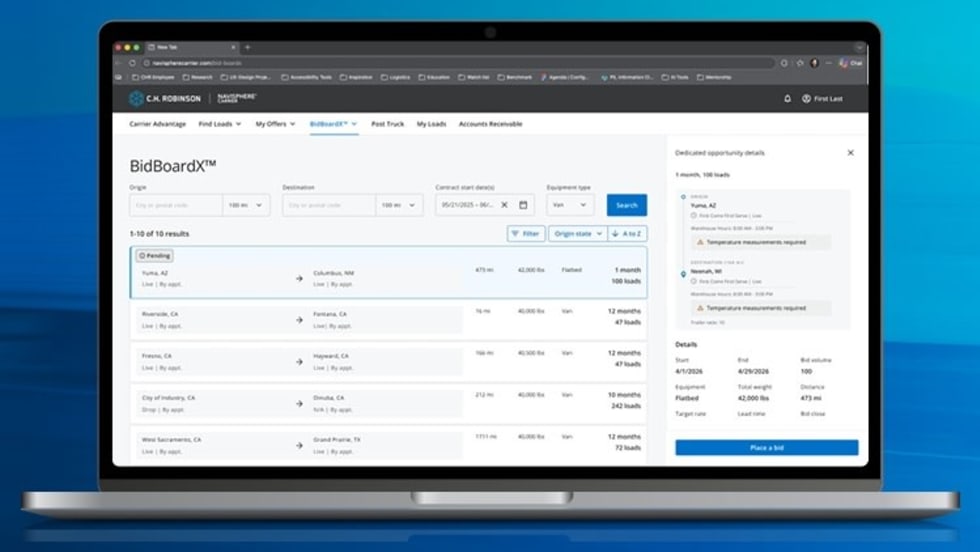
New C.H. Robinson Tool Opens Door to More Predictable Freight
BidBoardX lets carriers search, bid on, and secure committed freight opportunities through a single digital marketplace.
Read More →
New York City's Microhub Project is Delivering Results
Trucking, last-mile delivery companies, and environmental advocates like what they are seeing so far with New York's microhub program.
Read More →
Why Truck Detention Keeps Costing Fleets Time and Money
A 2024 ATRI study found detention affects nearly 40% of truckload stops and costs the industry more than $15 billion annually. Despite the toll on drivers, fleets, and supply chains, the problem remains stubbornly persistent.
Read More →
Time is Running Out to Apply for Exclusive HDT Event
Heavy Duty Trucking Exchange brings fleet managers and suppliers together for the deeper conversations that lead to ideas, partnerships, and solutions. Time is running out to apply for the September event.
Read More →
Amazon Launches Less-Than-Truckload Freight Offering for All Businesses
This launch is the latest addition to Amazon Supply Chain Services, a portfolio of supply chain capabilities from Amazon, including freight, distribution, fulfillment, and parcel shipping.
Read More →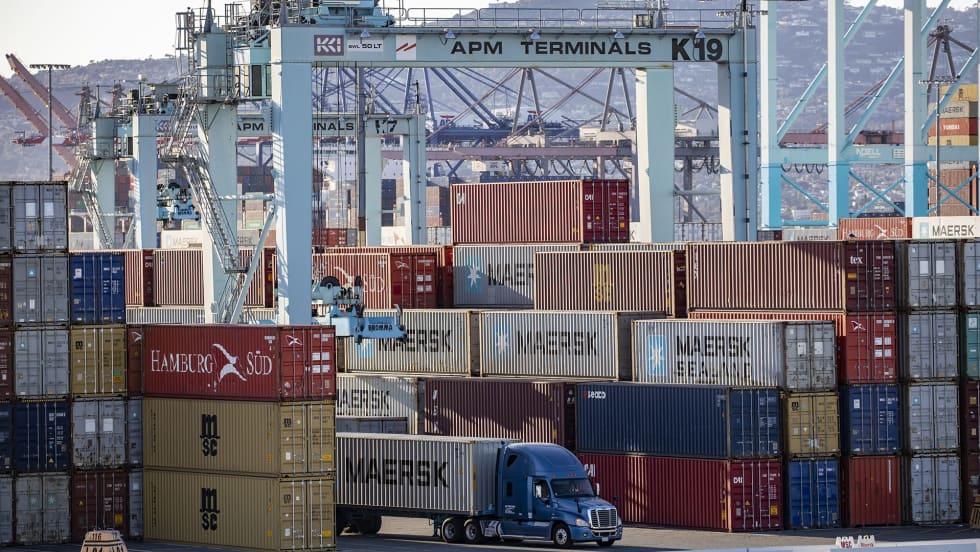
Import Cargo Volume to See Year-Over-Year Gain Again in June, Then Remain Below 2025 Levels Into Fall
After July, the report predicts a weakening in import volume as consumer uncertainty remains high and the impact of increasing inflation takes its toll.
Read More →