




DOT and Supply Chain Firms Launch New Data Exchange
Freight Logistics Optimization Works (FLOW), an initiative launched the Biden Administration and supply chain companies to develop new shared data infrastructure, as developed a data exchange “to pool information on goods movement, including incoming container volumes and available logistics equipment.”

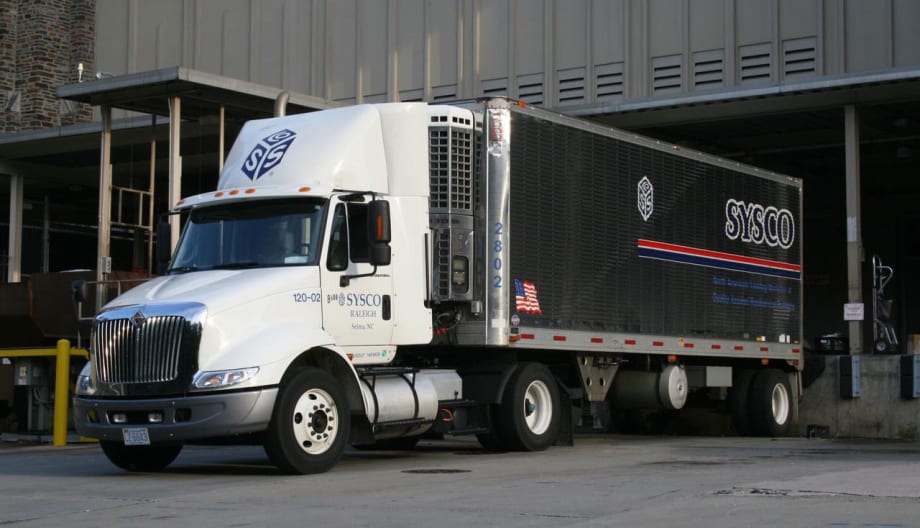
Through FLOW, DOT is serving as an “independent data steward for participants to exchange supply and demand information to be aggregated, anonymized, and returned for a holistic view of freight movement.”
Deborah Lockridge
Freight Logistics Optimization Works (FLOW), an initiative launched in March 2022 by the Biden Administration and supply chain companies to develop new shared data infrastructure, announced on May 1 that it has developed a data exchange “to pool information on goods movement, including incoming container volumes and available logistics equipment.”
The public-private group said that such data sharing across the supply chain industry and alongside the federal government has “never been done before and has vast potential for increased collaboration that will help improve our supply chain and bring down costs for Americans in the long term.”
"We are proud to launch FLOW, the first-ever nationwide multimodal freight data exchange, to increase the speed and reduce the costs of shipping goods, in partnership with dozens of supply chain companies," said U.S. Transportation Secretary Pete Buttigieg. "This has never existed before. But now that it is, we will see benefits nationwide as goods move more quickly and efficiently through our supply chains."
Per FLOW leadership, the supply and demand imbalances of the past two years and the resulting “bullwhip effect,” made it challenging to maintain a fluid supply chain and keep costs down. To better manage these challenges, DOT is establishing a baseline data infrastructure available to industry partners.
Through FLOW, DOT is serving as an “independent data steward for participants to exchange supply and demand information to be aggregated, anonymized, and returned for a holistic view of freight movement.”
Depending on the participant, data exchange may involve total incoming container demand or available supply-side assets, as measured by the availability of different assets to move goods including terminal slots, tractors, chassis, and warehouse space. Current FLOW participants have access to this shared aggregate view, which will continue to be developed further with participants in the coming months.
FLOW started with 18 founding members and currently has 53 member companies. To learn more about FLOW, including how to join, go to: bts.gov/flow.
More Fleet Management

Color Match Smarter: Tools That Restore & Perform
For fleet managers and collision repair professionals keeping heavy-duty trucks on the road, getting the color right the first time isn't just about appearance — it's about efficiency, turnaround time, and bottom-line results. Discover how today's digital color tools are transforming the repair process from guesswork to precision.
Read More →
FMCSA Pauses Biennial-Update Enforcement Amid Motus Transition
Carriers whose updates were due on or after June 1 have more time, while FMCSA works to stabilize its new registration system and warns of phishing sites impersonating its new carrier registration system, Motus.
Read More →
2026 Blueprint for Countering Smarter Supply Chain Theft
Cargo theft is no longer just the cost of doing business. It's a multi-billion-dollar criminal enterprise exploiting vulnerabilities across your fleet, drivers, and supply chain.
Read More →


How Telematics Improves Visibility, Control, and Performance in Refrigerated Fleets
Explore how telematics help refrigerated fleets improve visibility, uptime, efficiency, compliance, and cargo protection across connected cold chain operations.
Read More →
What the U.S.-Canada Trade War Means for Trucking
Escalating U.S.-Canada tariffs could disrupt cross-border freight, reduce truck volumes, raise costs, and create new uncertainty for carriers on both sides of the border.
Read More →
What Are Trucking’s Top Concerns for 2026?
The American Transportation Research Institute wants to know what's worrying trucking fleet managers, drivers, and other stakeholders in its annual Industry Issues survey.
Read More →
American Trucking Associations Looks for a New Leader
ATA President and CEO Chris Spear abruptly left his job at the association on August 21, at a pivotal time for the trucking industry.
Read More →
Public Wi-Fi Cybersecurity Risks: How Truck Drivers and Fleets Can Protect Their Data
Public Wi-Fi can expose truck drivers and fleets to credential theft, malware, and other cyber threats. Here’s how to reduce the risk on the road.
Read More →
For Nicky Cupp, Fleet Innovation Starts With Frustration
HDT Truck Fleet Innovator Nicky Cupp turns everyday pain points at Fraley & Schilling into opportunities for better technology and smarter processes.
Read More →
Adam Buttgenbach’s Approach to Electric Trucks: Start With Where They Fit
HDT Truck Fleet Innovator Adam Buttgenbach helped PepsiCo build one of North America’s largest EV fleets by focusing on where electric trucks make operational sense.
Read More →