




December Truck Orders Close 2020 With a Bang
Despite the record plunge in new-truck orders during the spring COVID-19 pandemic shutdowns, orders of Class 5 through 8 trucks closed out 2020 in near-record territory.

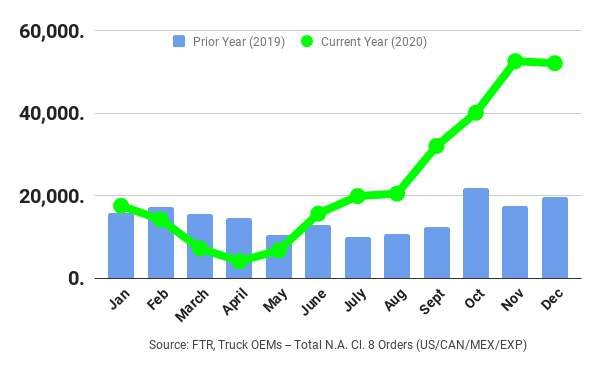
Despite a rocky start to the year, truck orders soared to near-record levels.
Graph: FTR
Despite the plunge in new-truck orders during the spring COVID-19 pandemic shutdowns, orders of Class 5 through 8 trucks closed out 2020 in near-record territory.
Preliminary North American Class 8 order numbers from industry analyst firms FTR and ACT Research show December at around 51,000-52,000 – down from November, but still at an extremely high number. Although their numbers differ slightly, both firms said it was the fourth-highest month on record:
ACT reported Class 8 net orders in December at 50,900 units, down 2% from November, but a 153% improvement from year-ago December.
FTR numbers came in at 52,100 units, just 700 units fewer than November and up 169% over a year ago.
Class 8 orders for 2020 totaled 283,000 units, according to FTR.
“The Class 8 market ended the most challenging year with a bang,” said Don Ake, vice president of commercial vehicles for FTR. “To get two back-to-back order months over 50,000 is a stellar accomplishment, after previously seeing orders crater to under 5,000 units in April. Now, 2021 has the potential to be an incredible recovery year.”
"The pandemic-impacted economy continues to play into the hands of trucking, as consumers continue to substitute spending on services with spending on goods, even as the manufacturing sector begins to ramp,” said Kenny Vieth, ACT president and senior analyst. “Simultaneously, the driver supply remains constrained, and that supply-demand imbalance is reflected in rate data. With strong freight volumes, drivers in short supply, rates surging and carrier profits certain to follow, the precise recipe for surging new vehicle demand, which continued in December, is created.”
Class 5-7 demand, with orders at 35,100 units, rose 28% from November and 73% compared to last December, according to ACT. That order volume represents a second-best-ever volume.
“There is a symbiotic relationship between heavy-duty freight rates and medium-duty demand,” Vieth said. “Clearly, the shift in consumer spending from experiences to goods has been good for the providers of local trucking services as e-commerce has grown by leaps and bounds during the pandemic.”
Things look good as we head into 2021, both firms said.
“As the economy continues to improve, fleets are showing increasing confidence about business conditions in 2021,” said FTR’s Ake. “Profits are more than sufficient to replace used trucks and freight growth is stimulating expansion demand. Put those dynamics together, and the industry is headed toward a robust year.
“Everything right now is headed strongly in a positive direction," Ake continued. "Consumer goods remain vibrant. The manufacturing sector is showing definite signs of strength after struggling last year. The second stimulus will pump more money into the economy and accelerate the recovery. The vaccine is expected to get more people back to work and provide an economic boost. And the fleets are responding to this wave of good news by ordering trucks in near-record numbers. After being slowed significantly by the pandemic, the Class 8 market is roaring ahead at a rapid rate.”
More Equipment

Mack Defense Secures $47 Million to Continue Military Dump Truck Production
President Trump visited Mack Defense’s Macungie, Pennsylvania, facility on June 23 to tout a $47 million Heavy Dump Truck order.
Read More →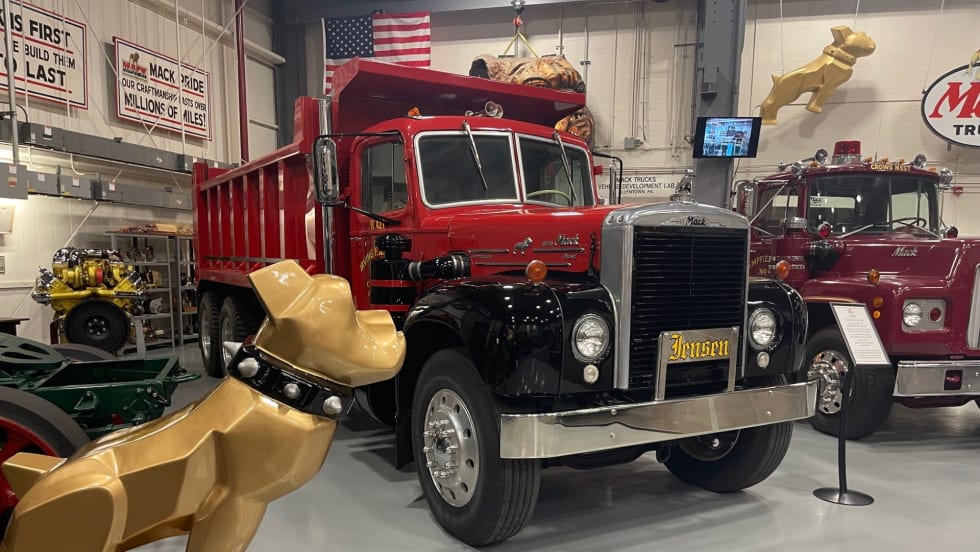
New (Antique) Trucks Take the Spotlight at the Mack Trucks Museum
The Mack Trucks Historical Museum has a slate of new historic vehicles on display this year.
Read More →
WEX, TFS Launch Equipment Financing Program for Trucking Fleets
The companies say the program uses technology to connect fleets with financing providers more efficiently than traditional lending channels.
Read More →
Historic, Vintage, and Antique Trucks at the 2026 ATHS Convention
More than 500 trucks were on display, indoors and out, at the 2026 American Historical Society annual convention in Springfield, Missouri.
Read More →
DTNA Software Update Gives Truckers More Time Before DEF Derates Take Effect
The changes reflect EPA guidance aimed at reducing downtime caused by emissions-system faults while maintaining compliance requirements.
Read More →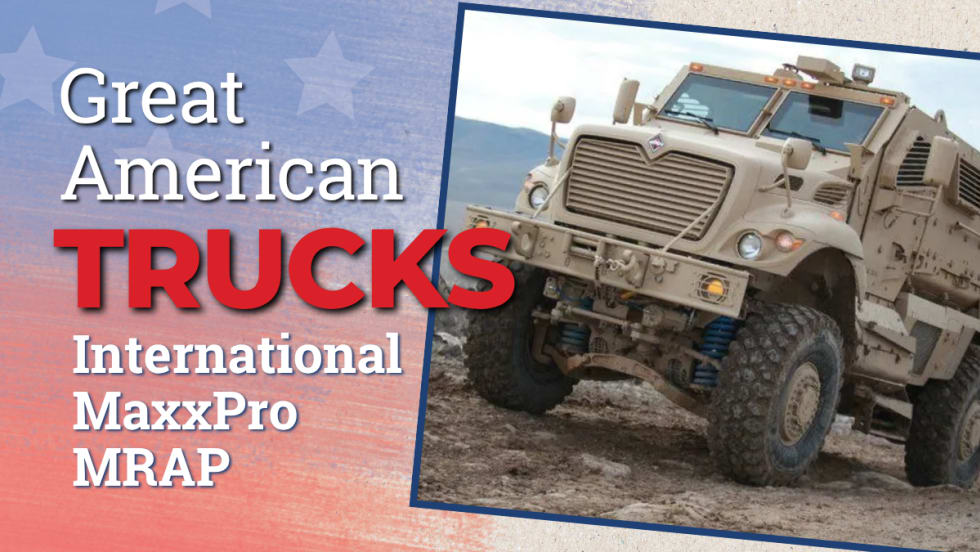
Great American Trucks: The International MaxxPro MRAP
Built from an International WorkStar chassis and powered by a MaxxForce diesel, the MaxxPro MRAP became one of the most important military trucks of the Iraq War era.
Read More →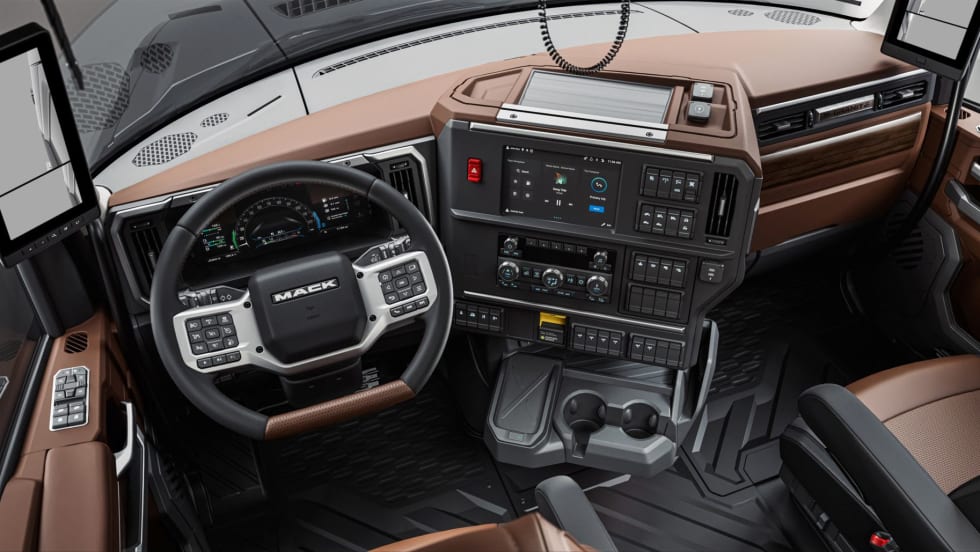
New Mack Granite Cab Puts Driver Comfort Front and Center
Mack’s next-generation vocational truck features a roomier cab, premium seating, advanced steering technology, and a driver-focused interior designed with direct input from professional operators.
Read More →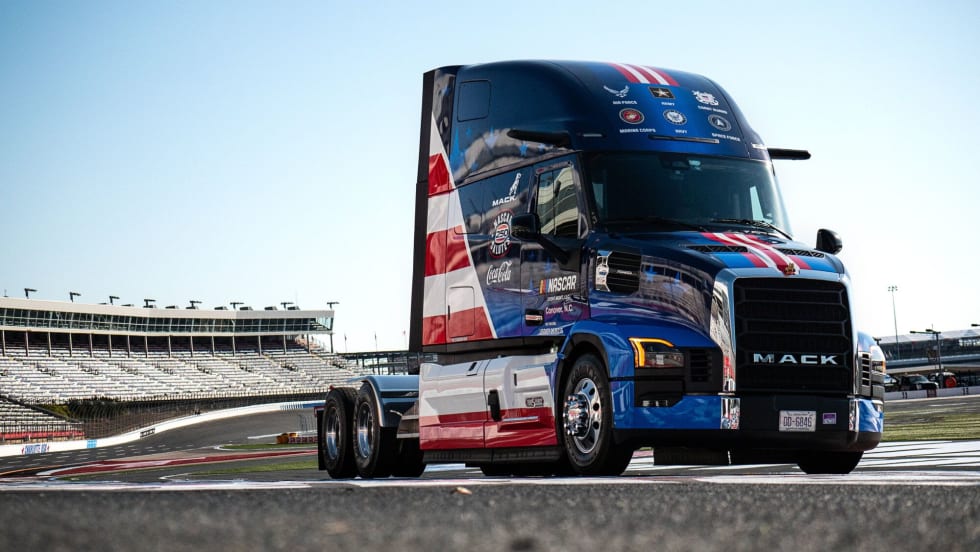
Mack Unveils Fan-Selected Patriotic NASCAR Pioneer Wraps
Racing fans picked the patriotic design now featured on three Mack Pioneer trucks hauling NASCAR equipment across the country during the 2026 season.
Read More →
Michelin Expands X Line Grip D Tire Line
Michelin is expanding its X Line Grip D drive tire lineup with a new pre-mold retread and additional sizes, building on what the company says is strong fleet adoption of the tire's traction, mileage, and fuel-efficiency benefits.
Read More →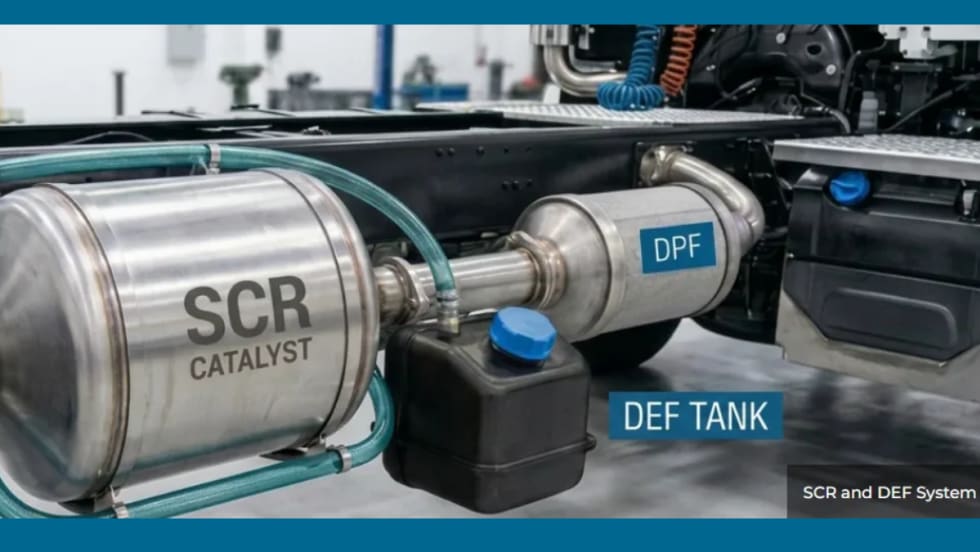
Engine Technology Forum Launches SCR, DEF Resource Center Amid Emissions Debate
The Engine Technology Forum’s new online hub aims to provide fleets, policymakers, and equipment owners with fact-based information about selective catalytic reduction technology, diesel exhaust fluid and emissions compliance.
Read More →