




Daimler Trucks Demonstrates Truck Platooning
Daimler Trucks North America demonstrated “pairing” of two trucks, what is commonly known as two-truck platooning, at the Capital Market and Technology Day June 6. This fuel-saving technology is also a step on the path to more highly automated vehicles.

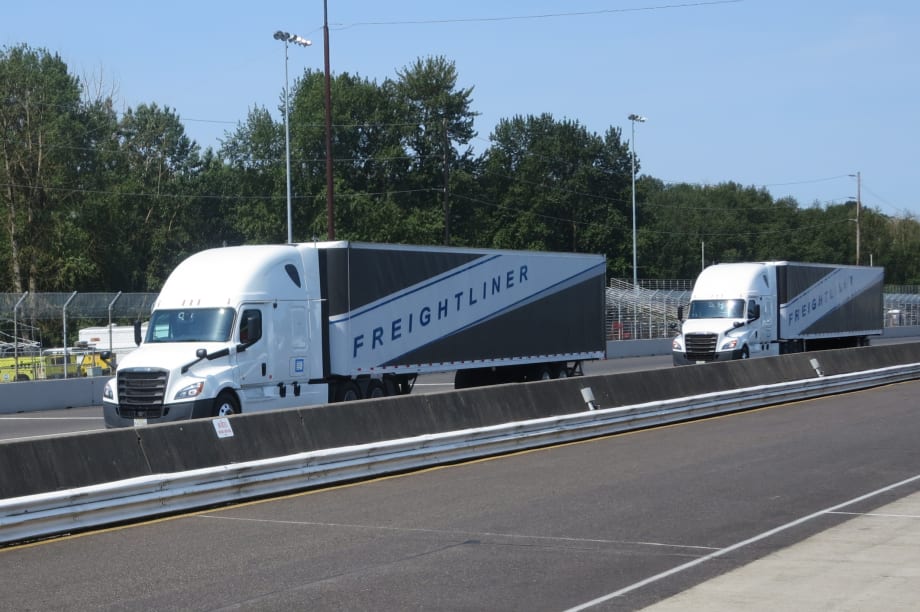
Two paired trucks use Level 2 automated technology to remain 15 meters apart during demonstrations at the Portland International Raceway.
Photo by Deborah Lockridge
Daimler Trucks North America demonstrated “pairing” of two trucks, what is commonly known as two-truck platooning, at the Capital Market and Technology Day June 6. This fuel-saving technology is also a step on the path to more highly automated vehicles.
Although parent company Daimler Trucks has demonstrated three-truck platooning in Europe, DTNA is focusing on a two-truck configuration, which it calls pairing.
“Pairing is the next level in vehicle automation, where we look at using not only the steering systems and the emergency braking systems, but also the vehicle-to-vehicle communications,” explained Derek Rotz, director of advanced engineering for DTNA.
“Today a vehicle driving the road at highway speeds, about half that power, that energy, that motor is producing is used to overcome drag,” he said. “So you imagine two vehicles driving in close tandem behind each other, they can save a good amount of fuel by aerodynamic benefits and do it in a safe fashion.”
Developing Truck Platooning for the Real World
Daimler and other companies in Europe, Japan, and North America have been working on and demonstrating platooning technology for several years now. At the Portland International Raceway in Portland, Oregon, Daimler demonstrated to analysts and truck journalists both the Detroit Assurance collision mitigation system, which uses some of the same technology as the platooning trucks, as well as two maneuvers with a set of “paired” big rigs. Both a single truck and the platooning pair demonstrated an emergency stop when the system detected a fixed object (a mockup of the rear of a car stopped on the track). Each pairing vehicle was loaded to 78,000 GVW. In addition, Detroit Assurance was demonstrated making a stop on a moving object, and the platooning trucks demonstrated what happens when a car comes in between them.
The focus of DTNA engineers now, Rotz said, is making sure platooning can operate safely in more challenging driving environments than out on a little-traveled desert highway or a test track.
“Having two vehicles in close proximity means we have to think about different driving scenarios to encounter and also to respond to them,” he said. “So these vehicles are under development now. They are a level 2 [autonomous] system, which means they also have active lane assist, so we’re providing inputs for both drivers to keep the vehicle centered in its lane, and we’re also providing the braking features as well that will allow them to brake in a safe manner.”
When asked about the commercial viability of platooning in the real world, where it’s somewhat unusual for two trucks to travel together, Kary Schaefer, general manager, general manager of product strategy for Freightliner and Detroit, framed it as an added “feature” of a safety system that fleets would spec for other reasons.
“We’ve been working with customers on percentage of pairable miles and doing some modeling with them, how do you operationalize it,” she said. “Safety is super important but also does it add value to the fleet, can they leverage it? Would they just buy this for platooning or pairing? Not sure, but if it provides a safety benefit first and then that’s a feature on top, I think it’s a viable product that adds value.”
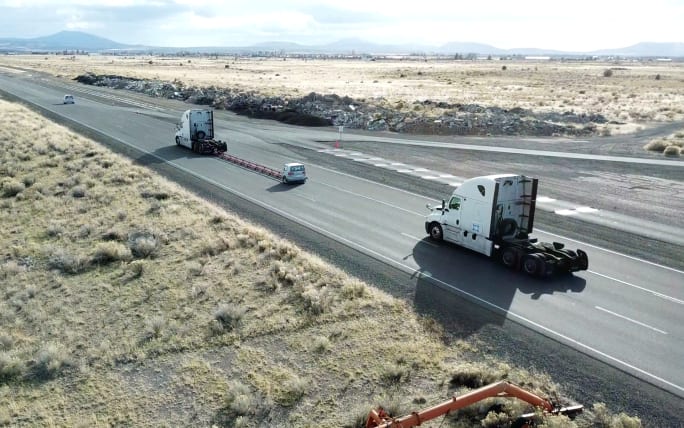
Daimler Trucks North America has been doing testing of platooning technology, which it calls pairing, at its new Madras, Oregon, proving grounds.
Photo courtesy Daimler Trucks
Working Toward Higher Levels of Automation
Platooning, or pairing, is one of the automated technologies that will explored at the new Automated Truck Research and Development Center to be built at Daimler Trucks North America headquarters in Portland.
Even as Daimler works on Level 2 automation for platooning, it is also turning its attention to Level 4 automation, which would allow the truck to take over for the driver in certain situations.
When asked by reporters about how the hype about “driverless trucks” and high-profile crashes by Tesla cars on Autopilot affect the advancement of these automated technologies, Steve Nadig, chief engineer of mechatronics for Daimler Trucks North America, said there’s a social element at work. “When we originally launched the [Freightliner] Inspiration [autonomous concept truck] we were talking about probably an order of magnitude in the number of fatal accidents, but how do you message that? We as humans tend to be more accepting of human failure than we are of the machine failure…. That’s an important message that we can continue to reduce fatalities and that’s really our goal is ultimately accident free driving.
Rotz emphasized that Daimler is “taking the long view” when it comes to these autonomous technology investments and emphasizing doing it in a safe manner. “So we would continue to do the level of testing, the level of safety, we’ve done in the past.”
What the media attention has done, Rotz said, “from a technology point of view it’s mobilized the whole supply chain to looking into it, now you’ve got suppliers like MobilEye and Nvidia investing heavily into it, and without that we wouldn't make must traction either. So there’s good and bad about a lot of the press that comes up on it. I think society gets expectations really high, like, ‘Wow, I can just throw away my keys and off we go,’ when in reality it’s longer term.”
As Schaefer said, “The demo is one thing, but the commercialization is something completely different.”
More Fuel Smarts
Jennie Abarca Is Proving Electric Trucks Can Do the Job
HDT Truck Fleet Innovator Jennie Abarca is building confidence in fleet electrification one load at a time while openly sharing the challenges she encounters along the way as a small-fleet owner.
Read More →
Cummins Adjusts 2027 Engine Rollout After EPA Proposal
The engine maker will gradually introduce its new Model Year 2027 diesel engines while continuing to offer current models during the transition, citing the EPA's proposed emissions rule changes.
Read More →
EPA Proposal Could Ease 2027 Truck Costs and Buying Uncertainty
The proposal doesn't change the tougher NOx standard, but it would revise key implementation requirements that manufacturers say have driven up costs and complicated fleet purchasing decisions.
Read More →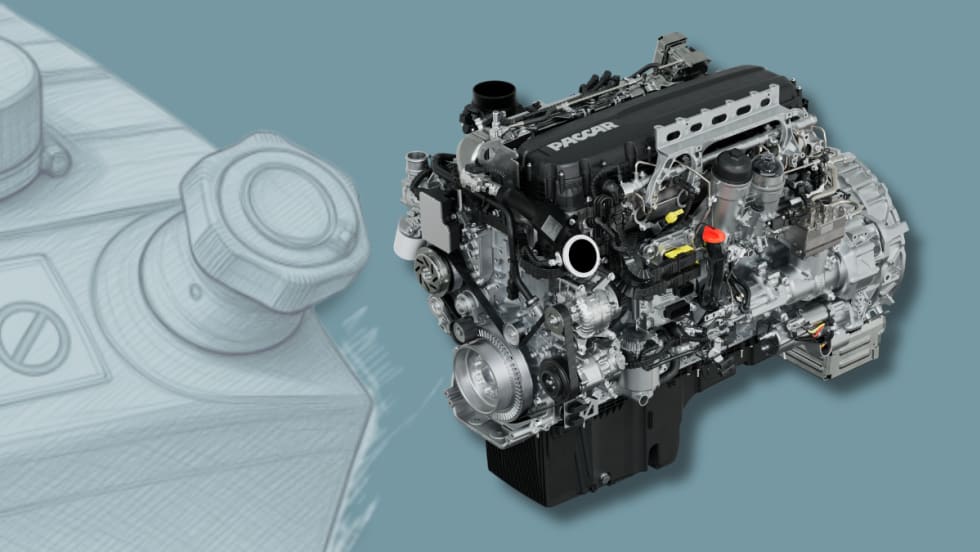
Cummins, Paccar Ease DEF Derates After EPA Guidance
Updated diesel engine software gives truck operators more time to address emissions-system issues while staying compliant with EPA emissions standards.
Read More →
Maintenance in the Messy Middle Part 3: Biodiesel
Biodiesel can reduce emissions, improve fuel-system lubricity and use existing diesel infrastructure. But NACFE’s Messy Middle maintenance report says fleets must actively manage storage, cold-weather operation, filters and oil drain intervals to avoid problems.
Read More →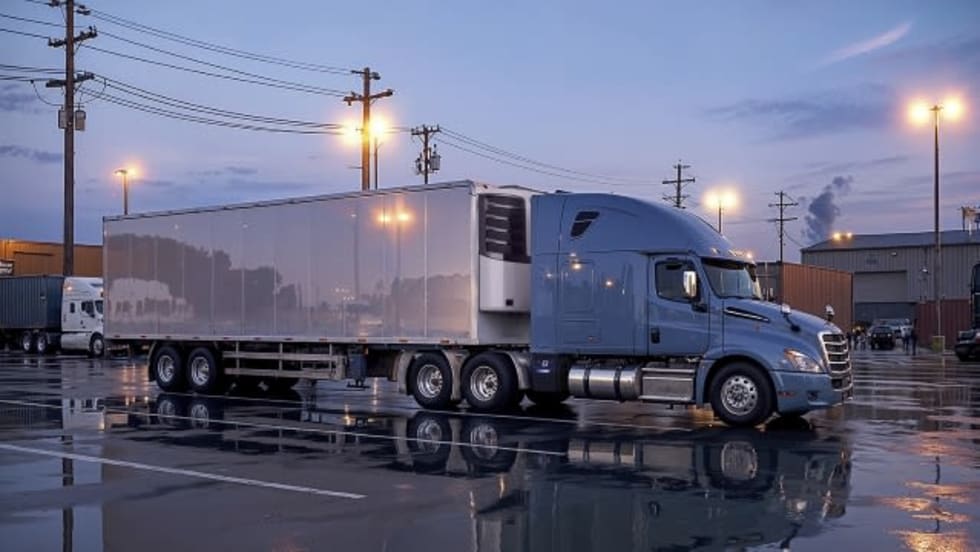
Enhance Fleet Performance with High-Efficiency Auxiliary Power Units
Drive sustainable cost savings while increasing driver comfort during short- and long-haul logistics operations.
Read More →
Maintenance in the ‘Messy Middle’ Part 2: Renewable Diesel Fuel
NACFE's latest Messy Middle Powertrain Service & Maintenance report says renewable diesel gives fleets an opportunity to reduce carbon emissions without changing trucks, fueling infrastructure or maintenance practices. But technicians still need to understand several important operational differences.
Read More →
The Diesel Engine Enters NACFE’s ‘Messy Middle’
NACFE’s new Messy Middle Powertrain Service & Maintenance report says keeping modern diesel engines running now depends as much on software, diagnostics and data as traditional mechanical service.
Read More →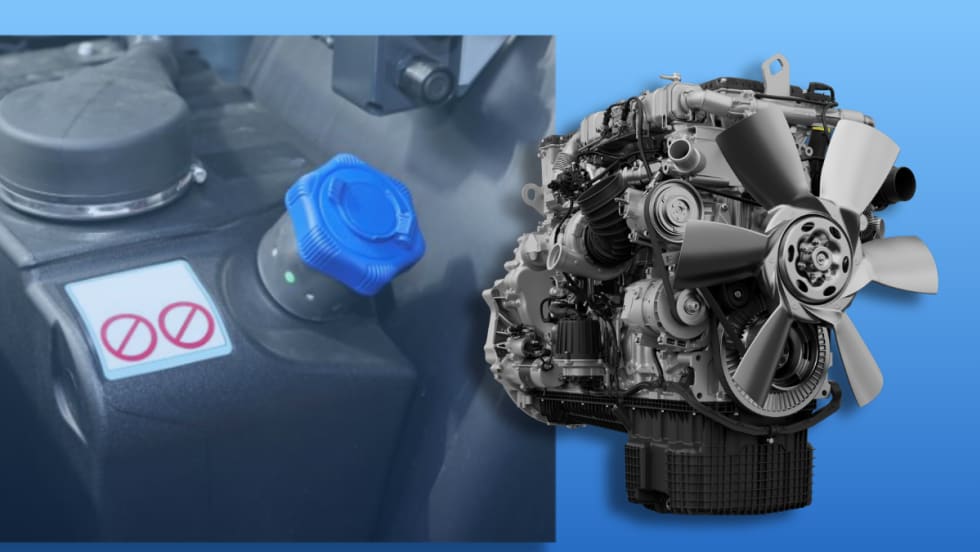
DTNA Software Update Gives Truckers More Time Before DEF Derates Take Effect
The changes reflect EPA guidance aimed at reducing downtime caused by emissions-system faults while maintaining compliance requirements.
Read More →
New Agentic Predictive Maintenance Report Demonstrates How Degraded Aftertreatment Systems Waste Fuel
Questar analyzed a large mixed-class fleet and discovered it was wasting as much as $30 in fuel per vehicle, per day, because of mechanically degraded aftertreatment systems.
Read More →