





Related: Will Future Trucks Be Powered by Batteries or Fuel Cells?
Daimler Launches E-Mobility Ecosystem to Consult with Fleets on Going Electric
Daimler is launching an E-Mobility Ecosystem consutling business to help fleets find out if their operations would be suitable for electric trucks.
November 12, 2019
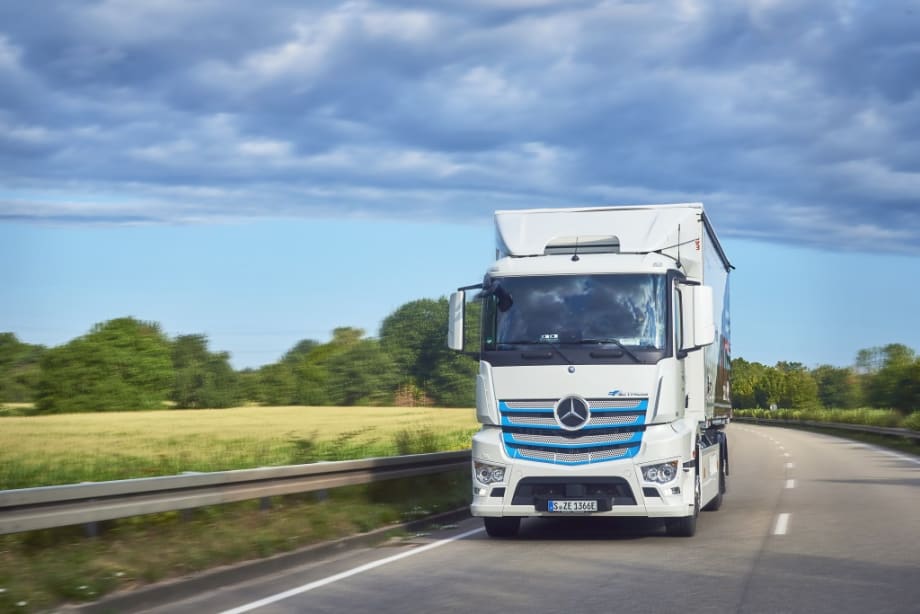
Daimler is launching an E-Mobility Ecosystem consutling business to help fleets find out if their operations would be suitable for electric trucks.
Photo: Daimler Trucks
2 min to read
Daimler’s E-Mobility Group has launched a holistic ecosystem in North America, Europe, and Japan offering consultation to truck customers for the best possible entry into electric transportation logistics.
The ecosystem offers a range of consulting services and the installation of a suitable charging infrastructure. It includes individual consulting as well as digital applications designed to make it easier to get started with e-mobility.
“As pioneers of e-mobility, our battery-electric trucks are already undergoing extensive practical trials around the world. Thanks to the close exchange with our customers, we understood early on the need to think far beyond the e-vehicle,” said Gesa Reimelt, head of E-Mobility Group Daimler Trucks & Buses. “That is why we offer an ecosystem tailored to the use case and needs of customers, including consulting and charging infrastructure solutions. This is how we want to provide our customers with the ideal entry into e-mobility.”
Starting in 2020, Daimler Trucks will offer a free smartphone application with the "eTruck Ready" app, with which customers can determine, which operating profiles and routes are suitable for an electric truck. The app records the driving routes of a conventional vehicle: It captures speed, acceleration and altitude profile along the route.
Important parameters such as the payload and the outside temperature can be added afterward by fleet managers in an individual web portal. From this data, the program generates the respective range and expected power consumption of a suitable electric truck from the Daimler portfolio. This creates a realistic usage profile for customers.
The data calculated by the app form the basis for the customer consulting conducted by the expert team of the E-Mobility Group. The tailored consulting services include, for example, indications of possible route optimization for electric trucks and suitable charging infrastructure. If required, the team can create an individual operating cost analysis and take into account, among other things, public funding opportunities. It is aimed at helping customers can make a fact-based decision. Even during the operation of electric trucks, the consulting team supports customers in the preparation and optimization of operating procedures.
Since 2017, Daimler has operated small-series produced electric trucks in fleets around the world as part of its push for e-mobility. These include the company’s Fuso eCanter and Freightliner eM2 medium-duty trucks as well as the heavy-duty Freightliner eCascadia and eActros trucks.
More Fuel Smarts
Cummins Adjusts 2027 Engine Rollout After EPA Proposal
The engine maker will gradually introduce its new Model Year 2027 diesel engines while continuing to offer current models during the transition, citing the EPA's proposed emissions rule changes.
Read More →
EPA Proposal Could Ease 2027 Truck Costs and Buying Uncertainty
The proposal doesn't change the tougher NOx standard, but it would revise key implementation requirements that manufacturers say have driven up costs and complicated fleet purchasing decisions.
Read More →
Cummins, Paccar Ease DEF Derates After EPA Guidance
Updated diesel engine software gives truck operators more time to address emissions-system issues while staying compliant with EPA emissions standards.
Read More →
Maintenance in the Messy Middle Part 3: Biodiesel
Biodiesel can reduce emissions, improve fuel-system lubricity and use existing diesel infrastructure. But NACFE’s Messy Middle maintenance report says fleets must actively manage storage, cold-weather operation, filters and oil drain intervals to avoid problems.
Read More →
Enhance Fleet Performance with High-Efficiency Auxiliary Power Units
Drive sustainable cost savings while increasing driver comfort during short- and long-haul logistics operations.
Read More →
Maintenance in the ‘Messy Middle’ Part 2: Renewable Diesel Fuel
NACFE's latest Messy Middle Powertrain Service & Maintenance report says renewable diesel gives fleets an opportunity to reduce carbon emissions without changing trucks, fueling infrastructure or maintenance practices. But technicians still need to understand several important operational differences.
Read More →
The Diesel Engine Enters NACFE’s ‘Messy Middle’
NACFE’s new Messy Middle Powertrain Service & Maintenance report says keeping modern diesel engines running now depends as much on software, diagnostics and data as traditional mechanical service.
Read More →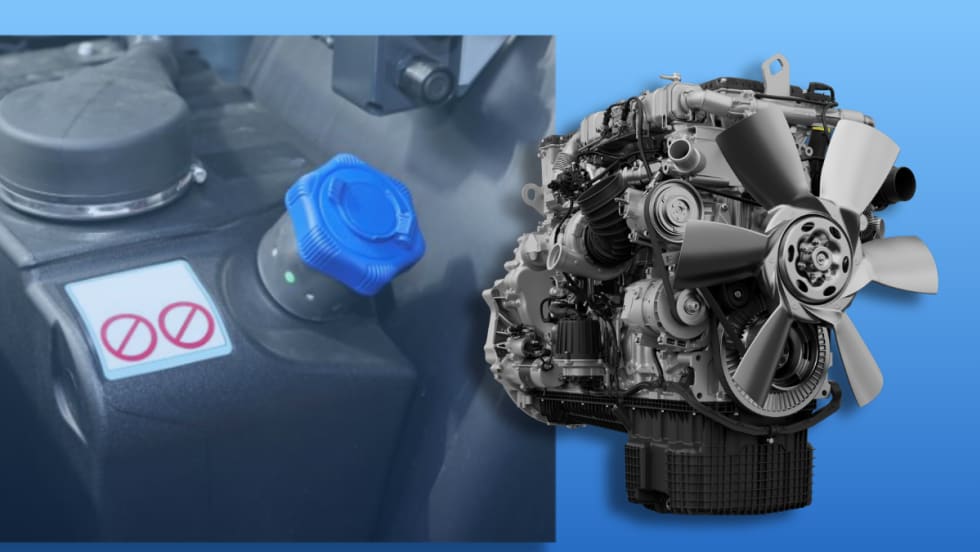
DTNA Software Update Gives Truckers More Time Before DEF Derates Take Effect
The changes reflect EPA guidance aimed at reducing downtime caused by emissions-system faults while maintaining compliance requirements.
Read More →
New Agentic Predictive Maintenance Report Demonstrates How Degraded Aftertreatment Systems Waste Fuel
Questar analyzed a large mixed-class fleet and discovered it was wasting as much as $30 in fuel per vehicle, per day, because of mechanically degraded aftertreatment systems.
Read More →
New York City's Microhub Project is Delivering Results
Trucking, last-mile delivery companies, and environmental advocates like what they are seeing so far with New York's microhub program.
Read More →