




Cummins Tests Hydrogen Fueled Internal Combustion Engine
Following the proof-of-concept testing, Cummins plans to evaluate the hydrogen-fueled internal combustion engine in a variety of on- and off-highway applications.


Following the proof-of-concept testing, the company plans to evaluate the hydrogen-fueled internal combustion engine in a variety of on- and off-highway applications.
Photo: Cummins
Cummins began testing a hydrogen-fueled internal combustion engine.The proof-of-concept test is building on Cummins’ existing technology in gaseous-fuel applications and powertrain to create new a power solution.
“We are using all new engine platforms equipped with the latest technologies to improve power density, reduce friction and improve thermal efficiency, allowing us to avoid the typical performance limitations and efficiency compromises associated with converting diesel or natural gas engines over to hydrogen fuel,” said Srikanth Padmanabhan, president of Cummins’ engine segment, in a press release.
Padmanabhan says the company is “optimistic” about bringing the engine to market. Following the proof-of-concept testing, the company plans to evaluate the engine in a variety of on- and off-highway applications.
The effort supports the company’s efforts to accelerate the decarbonization of commercial vehicles.
“The hydrogen engine program can potentially expand the technology options available to achieve a more sustainable transport sector, complementing our capabilities in hydrogen fuel cell, battery electric and renewable natural gas powertrains,” said Jonathon White, vice president of engine business engineering.
Cummins is investing across a range of technologies to support hydrogen-based transportation including hydrogen engines, fuel cells, electrolyzers and storage tanks, Cummins officials said.
More Fuel Smarts

Record Diesel Prices Squeeze Trucking Fleets
Average U.S. diesel prices have climbed to nearly $6 a gallon, surpassing the 2022 record as tight refinery capacity and Middle East disruptions keep fuel costs elevated.
Read More →
How Fuel Delivery Shapes Engine Performance
Fuel delivery depends on more than what happens at the injector. For fleet, maintenance and technical professionals, looking at the full path from pump to injector can provide useful context for understanding engine performance.
Read More →
East Coast Port Launches $45M Electric Truck Push
The Port Authority of New York and New Jersey announced millions in incentives for zero-emission drayage trucks, yard tractors, and new charging hubs near the port.
Read More →

California Bill Could Shed Light on Electric Truck Prices
Why do battery-electric Class 8 trucks remain so expensive? A California bill headed to Gov. Gavin Newsom would give fleets and state agencies more visibility into what manufacturers charge.
Read More →
Detroit Opens Orders for EPA 2027 Engines
Detroit isn’t starting from scratch to meet EPA 2027 diesel emissions standards. Its Gen 6 DD13 and DD15 engines keep much of today’s platform while updating the fuel and aftertreatment systems.
Read More →
Zero-Emission Truck Corridor Planned for West Coast
California, Oregon, Washington, British Columbia and Baja California are coordinating plans for truck charging and hydrogen fueling from Canada to Mexico.
Read More →
A Closer Look at Kenworth’s Electric T880E Vocational Truck [Video]
Learn more about Kenworth's T880E battery-electric vocational truck at the Paccar Technical Center, including its range, applications, upfitting considerations, and PTO options, in this HDT Spotlight video.
Read More →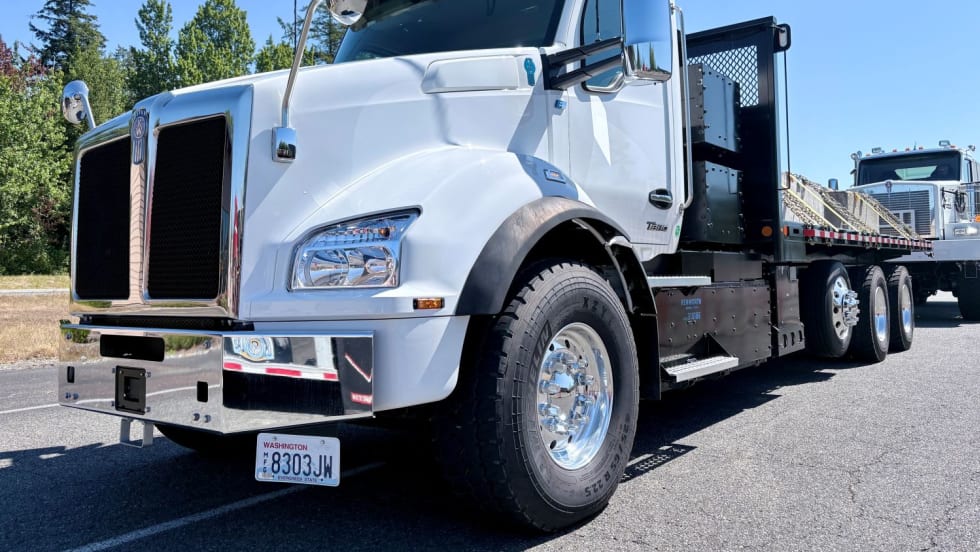
Kenworth T880E Brings EV Power to Vocational Trucks
A closer look at the Kenworth T880E’s range, charging, powertrain and upfit options — and where fleets are showing the most interest.
Read More →
Jennie Abarca Is Proving Electric Trucks Can Do the Job
HDT Truck Fleet Innovator Jennie Abarca is building confidence in fleet electrification one load at a time while openly sharing the challenges she encounters along the way as a small-fleet owner.
Read More →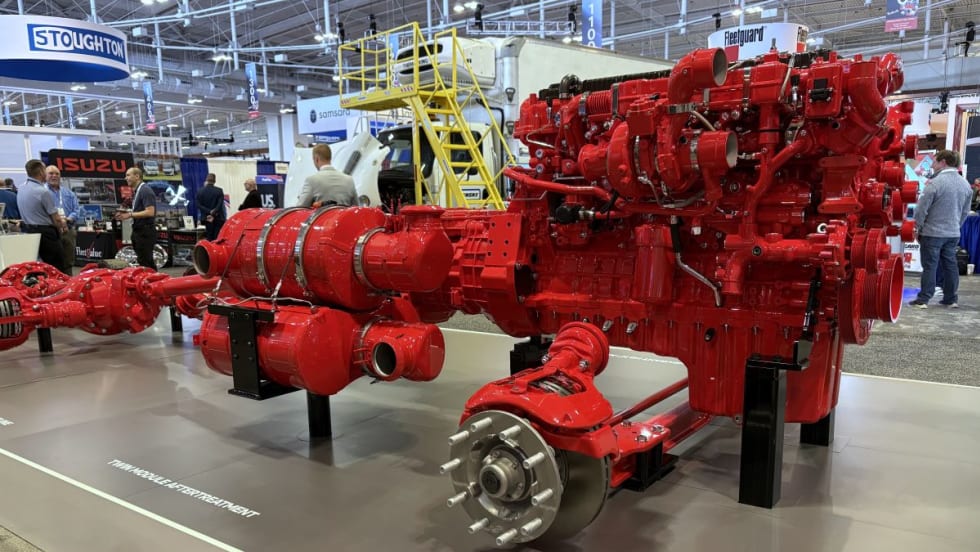
Cummins Adjusts 2027 Engine Rollout After EPA Proposal
The engine maker will gradually introduce its new Model Year 2027 diesel engines while continuing to offer current models during the transition, citing the EPA's proposed emissions rule changes.
Read More →