




Chevrolet Adds Bi-Fuel CNG Silverado 3500HD Chassis Cab
Chevrolet will expand its compressed natural gas lineup to include the bi-fuel 2016 Silverado 3500HD Chassis Cab, allowing drivers to operate the vehicle on CNG or gasoline.
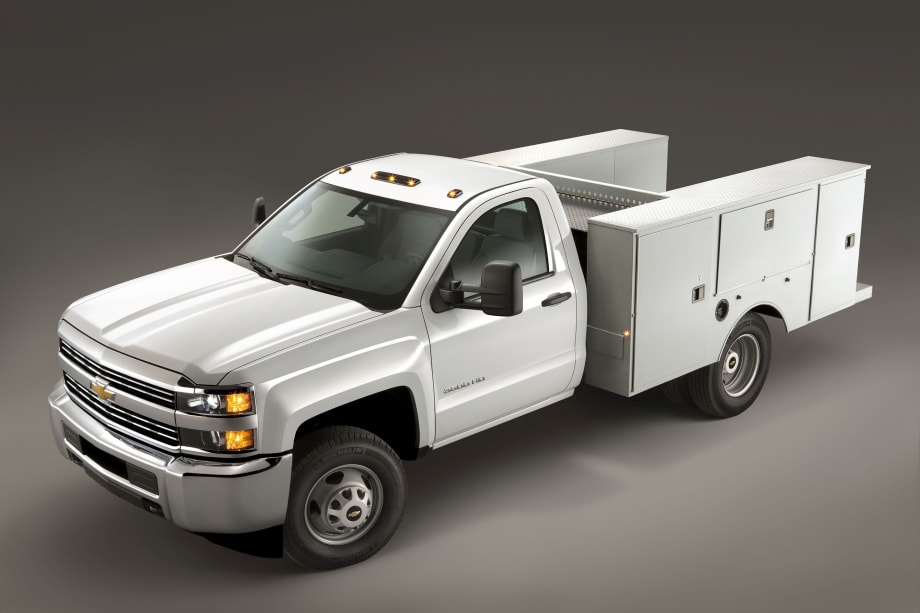
Photo courtesy of GM.

Chevrolet will expand its compressed natural gas lineup to include the bi-fuel 2016 Silverado 3500HD Chassis Cab, allowing drivers to operate the vehicle on CNG or gasoline. Bi-fuel will be available on the regular cab in both 2WD and 4WD drivetrains starting in the fourth quarter, according to the automaker.
The Silverado 3500HD Chassis Cab joins the bi-fuel Silverado 2500HD and 3500HD and the dedicated CNG full-size Chevrolet Express and vans.
Silverado 3500HD has a proven reputation as the ultimate work truck for fleets, many of whom are looking to reduce emissions and save money at the pump, according to the automaker.
For instance, Southern California Gas Co. has more than 5,000 units on the road and currently, 22 percent of its over-the-road fleet operates on natural gas. The utility has committed to make the majority of its over-the-road vehicles operate on CNG by 2020, and it is looking to the bi-fuel Silverado 3500HD Chassis Cab to help meet that goal.
“A chassis cab configuration is the bread and butter of our fleet and the vehicle we rely on to service customer homes,” said Tony Orta, Strategy & Maintenance manager at Southern California Gas. “The turnkey bi-fuel option offered by Chevrolet allows us to reduce our carbon footprint while giving us the fueling flexibility and range we need to keep drivers on the road servicing customers.”
Said Mike Schneider, vice president of operations support, Sempra utilities: “This truck is another step forward in supporting our goal to green our fleet.”
The 24.5 gallon CNG tank, located directly behind the cab, in addition to the 23.5 gallon gasoline tank on the Silverado 3500HD gives drivers fueling flexibility and optimal range between fill-ups, according to the automaker.
“CNG burns cleaner and costs less at the pump than gasoline, making it an appealing option for fleets,” said Ed Peper, U.S. vice president, GM Fleet & Commercial. “Expanding our CNG lineup furthers our commitment to provide a diverse lineup of alternative fuel vehicles for our customers.”
All of the CNG fuel systems are warranted and validated by Chevrolet. For qualified commercial and government fleet customers, the five-year/100,000-mile (whichever comes first) powertrain limited warranty covers the CNG fuel system and its components. For all other customers, it is covered under Chevrolet Complete Care five-year/60,000-mile powertrain limited warranty. As part of Chevrolet Complete care, both fleet and retail customers also receive two years/24,000 miles (whichever comes first) of scheduled maintenance, according to the automaker.
All major components associated with the CNG system also carry GM service part numbers and are available throughout the largest dealer network in the United States.
More Fuel Smarts

Cummins Adjusts 2027 Engine Rollout After EPA Proposal
The engine maker will gradually introduce its new Model Year 2027 diesel engines while continuing to offer current models during the transition, citing the EPA's proposed emissions rule changes.
Read More →
EPA Proposal Could Ease 2027 Truck Costs and Buying Uncertainty
The proposal doesn't change the tougher NOx standard, but it would revise key implementation requirements that manufacturers say have driven up costs and complicated fleet purchasing decisions.
Read More →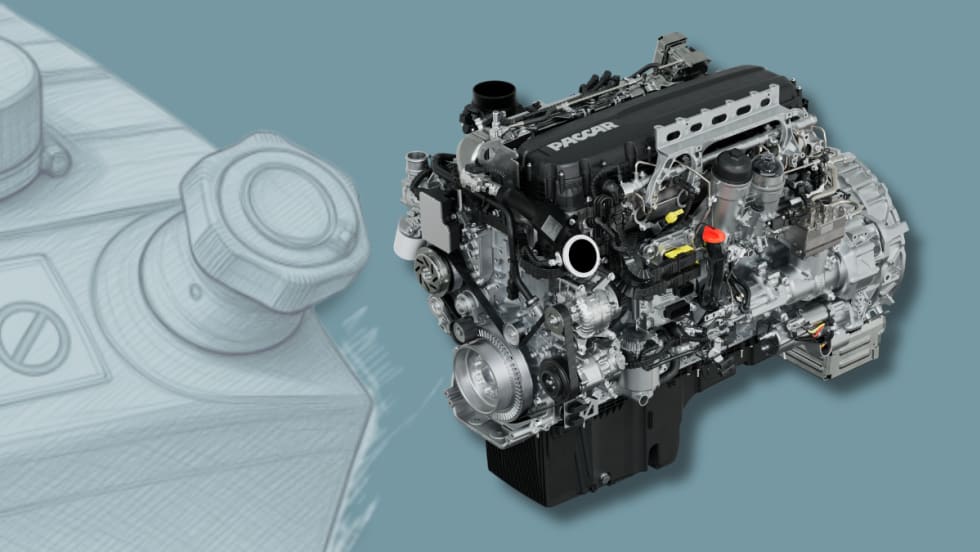
Cummins, Paccar Ease DEF Derates After EPA Guidance
Updated diesel engine software gives truck operators more time to address emissions-system issues while staying compliant with EPA emissions standards.
Read More →
Maintenance in the Messy Middle Part 3: Biodiesel
Biodiesel can reduce emissions, improve fuel-system lubricity and use existing diesel infrastructure. But NACFE’s Messy Middle maintenance report says fleets must actively manage storage, cold-weather operation, filters and oil drain intervals to avoid problems.
Read More →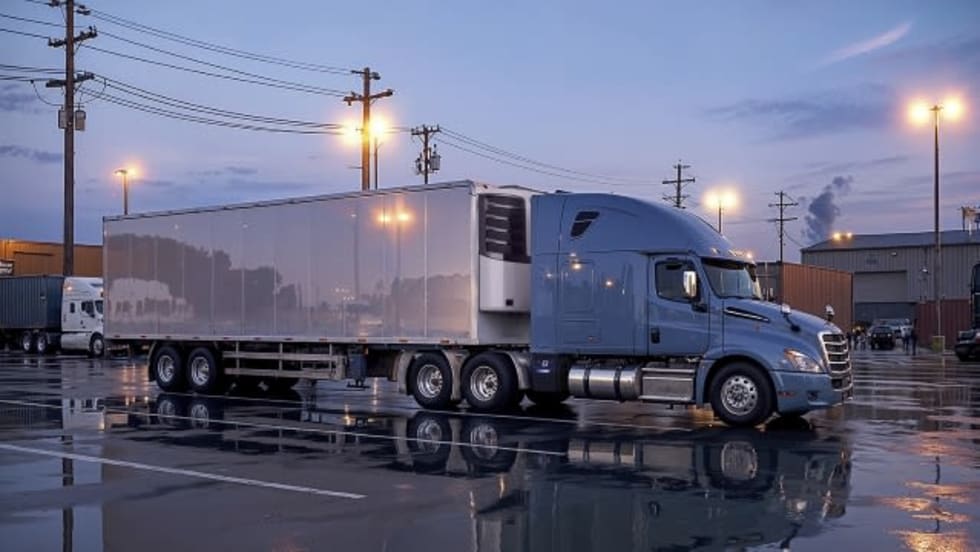
Enhance Fleet Performance with High-Efficiency Auxiliary Power Units
Drive sustainable cost savings while increasing driver comfort during short- and long-haul logistics operations.
Read More →
Maintenance in the ‘Messy Middle’ Part 2: Renewable Diesel Fuel
NACFE's latest Messy Middle Powertrain Service & Maintenance report says renewable diesel gives fleets an opportunity to reduce carbon emissions without changing trucks, fueling infrastructure or maintenance practices. But technicians still need to understand several important operational differences.
Read More →
The Diesel Engine Enters NACFE’s ‘Messy Middle’
NACFE’s new Messy Middle Powertrain Service & Maintenance report says keeping modern diesel engines running now depends as much on software, diagnostics and data as traditional mechanical service.
Read More →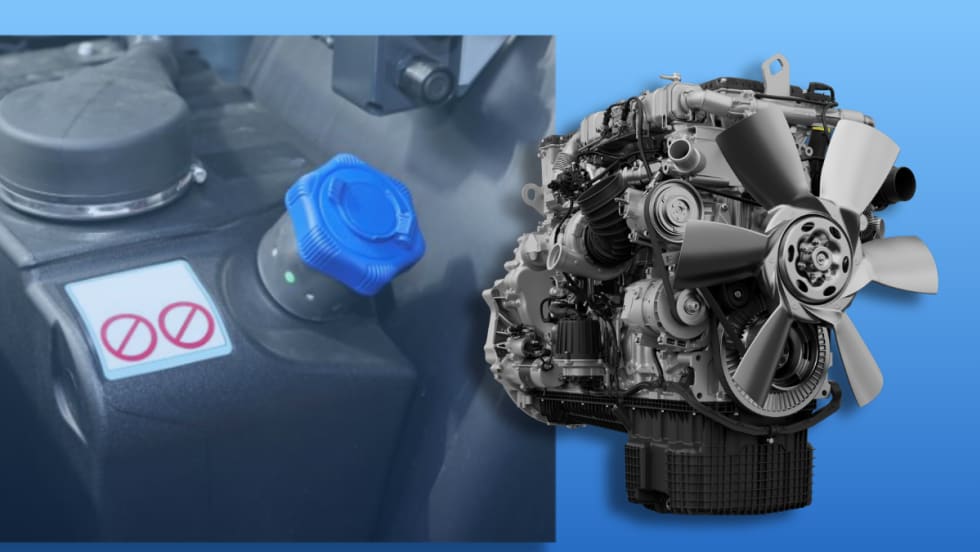
DTNA Software Update Gives Truckers More Time Before DEF Derates Take Effect
The changes reflect EPA guidance aimed at reducing downtime caused by emissions-system faults while maintaining compliance requirements.
Read More →
New Agentic Predictive Maintenance Report Demonstrates How Degraded Aftertreatment Systems Waste Fuel
Questar analyzed a large mixed-class fleet and discovered it was wasting as much as $30 in fuel per vehicle, per day, because of mechanically degraded aftertreatment systems.
Read More →
New York City's Microhub Project is Delivering Results
Trucking, last-mile delivery companies, and environmental advocates like what they are seeing so far with New York's microhub program.
Read More →