




Bush Has a Border Fight on His Hands
President Bush is deep in a fight over his plan to open the U.S. border to long-distance Mexican trucks by the first of next year. Battle lines were drawn at hearings in the Senate and the House this week, as appropriations committees negotiate funding legislation for the Department of Transportation
President Bush is deep in a fight over his plan to open the U.S. border to long-distance Mexican trucks by the first of next year.
Battle lines were drawn at hearings in the Senate and the House this week, as appropriations committees negotiate funding legislation for the Department of Transportation.
The House has a bill that would prevent the administration from opening the border as planned - a bill that faces a veto threat by President Bush - while the Senate has proposed tougher border enforcement than DOT recommends.
It remains to be seen whether the Bush administration will be able to open the border on schedule. Transportation Secretary Norman Mineta told Congress that he believes DOT can get its enforcement systems ready in time for the Jan. 1, 2002, opening - but added that if the pieces are not in place he will postpone the opening. He also said he will ask for more money, if he needs it.
The possibility of postponement puts pressure on the Bush administration. Under the North American Free Trade Agreement, the border was supposed to open gradually starting in 1995, but the Clinton administration reneged on that deal. Last year, Mexico complained, and won a decision from a NAFTA review panel that the U.S. was in the wrong and that Mexico could impose sanctions.
This past winter, Mexico agreed to postpone sanctions while the U.S. worked on a plan to open the border by January 2002. If the U.S. cannot make that deadline, there is the possibility that Mexico will press for sanctions.
Meanwhile, the Federal Motor Carrier Safety Administration has proposed a set of rules that would require Mexican carriers to meet all U.S. safety and operating requirements before they can get authority to enter the U.S. (See "Safety Agency Proposes Mexico Rules," 5/2/01)
The hearings made it clear that opposition to the border opening runs deep in both the House and Senate. While the immediate issue is truck safety, members also expressed continuing resentment over the North American Free Trade Agreement - which some view as a disaster for their constituents - as well as concerns about drug trafficking and illegal immigration.
At the hearings, Mineta was subjected to a barrage of criticism from members who said they did not believe the administration's plan is adequate to ensure safety. For example, Sen. Barbara Boxer, D-Calif., asserted, "We are not ready for this." And in the House, Rep. Robert Borski, D-Pa., said the safety agency will not have the personnel or physical systems in time to meet the January deadline.
But it was not one-sided: in the Senate, Commerce Committee Chairman Fritz Hollings, D-S.C., indicated that while he has serious reservations about DOT's enforcement plan, he believes a compromise can be worked out. And ranking minority member John McCain, R-Ariz., said he strongly supports DOT's plan.
Over the next week or so, the House and Senate will work to reconcile their positions on border regulation. The House position is draconian: It in effect closes the border by cutting off funding for processing applications from Mexican trucking companies - although, to be fair, that decision was shaped as much by procedure as by policy. The Senate has a bill that would significantly toughen the rules proposed by FMCSA.
For example, FMCSA proposed issuing a conditional license to a Mexican carriers that proves, through paperwork, that it has an adequate safety system - and then following up with a safety audit within 18 months. The Senate alternative would require the agency to conduct a compliance review before issuing the license.
Mineta said that DOT cannot live with the House bill at all, and has problems with aspects of the Senate bill. He is forwarding his objections to the Senate in hopes that a compromise can be negotiated.
Meanwhile, Mineta said, DOT is moving ahead with plans to hire and train additional border personnel, as well as other enforcement initiatives. And, he said, FMCSA is reviewing comments it received on its proposal and expects to issue a final rule this fall, perhaps in October.
Even if this debate is settled, however, the question remains: Will congressional opponents of cross-border trucking find another way to keep Mexican trucks out?
More Drivers

Platform Science Adds Dispatch and Safety Tools
Four additions to PS Fleet help fleets monitor loads, manage driver coaching, share truck locations and adjust video system settings.
Read More →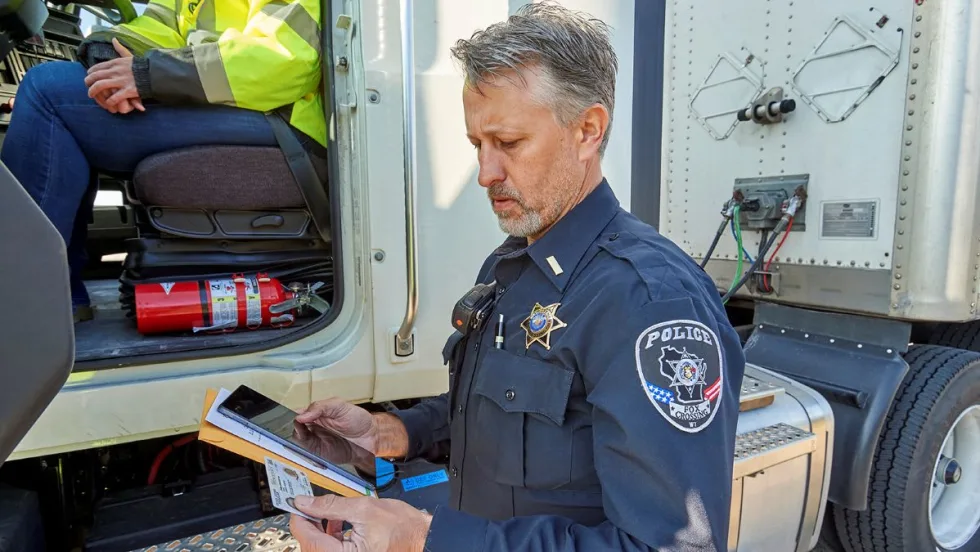
When Language Stops the Truck: The Return of ELP Out-of-Service Orders
English language proficiency rules for commercial drivers aren’t new, but renewed out-of-service enforcement has raised the stakes. Here’s what carriers need to know before a driver reaches a roadside inspection.
Read More →
Samsara Launches Custom AI Agent Builder
Agent Studio lets fleets create AI tools for hours-of-service monitoring, reporting and driver support, including agents that communicate by phone.
Read More →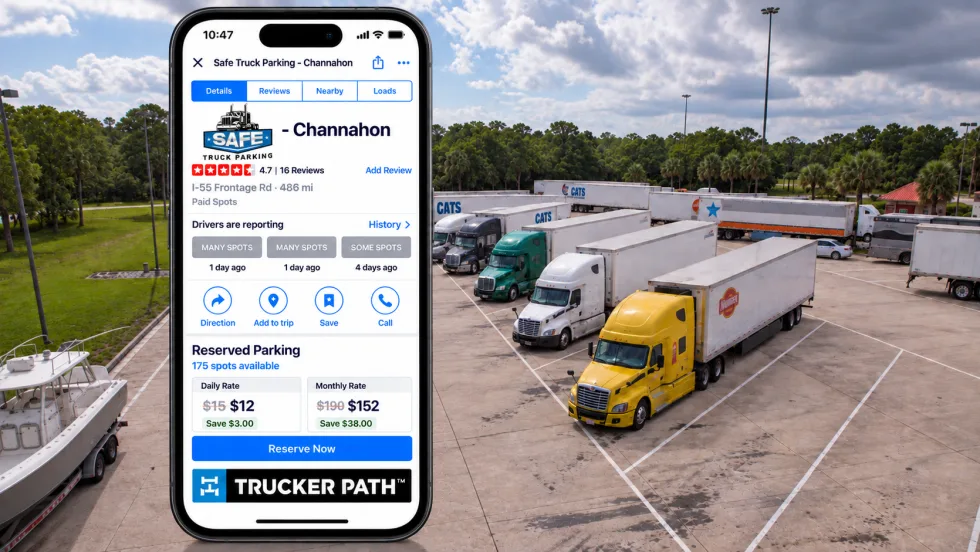
Trucker Path Expands Reserved Parking Network
Trucker Path has added close to 6,000 more truck parking spaces to its Trucker Path Reserved Parking Network with the addition of Safe Truck Parking.
Read More →
EEOC Sues Texas Trucking Company Over Driver Age Limits
The agency says Trancasa USA rejected applicants over 65 and applied tougher driving-record standards to those over 60.
Read More →
Nussbaum, Roehl Announce Second Driver Pay Increase This Year
This year has seen a swath of major truck driver pay increases as freight capacity has tightened.
Read More →
From One Generation to the Next: How Mentorship Builds Safer Truck Drivers
After three decades in trucking, Harold Perry shares what he's learned about driver safety, mentorship, and helping the next generation build confidence behind the wheel.
Read More →
Truck Drivers Need More Than Another Alert
Fleets have more visibility into truck health, safety events, and driver activity than ever. The next challenge is turning all that information into useful guidance for the person who has to decide what to do next.
Read More →
FMCSA Removes 110 Truck Driver Training Schools from Certified ELDT List
Federal regulators also are targeting more than 160 additional training providers and launching a nationwide audit of third-party CDL skills testers as part of a broader crackdown on trucking fraud.
Read More →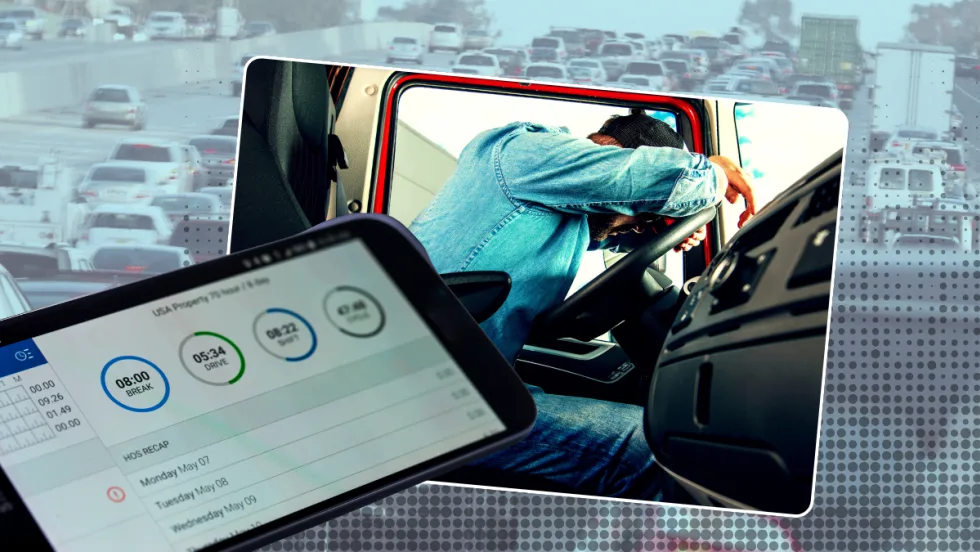
Hours of Service Pilot Programs: FMCSA Readies for 2027 Rollout
Two pilot programs could eventually reshape hours-of-service rules, giving truck drivers options to pause their 14-hour clock or use longer split sleeper rest periods.
Read More →