




Biden Administration Names FMCSA Deputy Administrator
A new deputy administrator for the Federal Motor Carrier Safety Administration was among those the Biden administration announced in key leadership roles at the Department of Transportation.

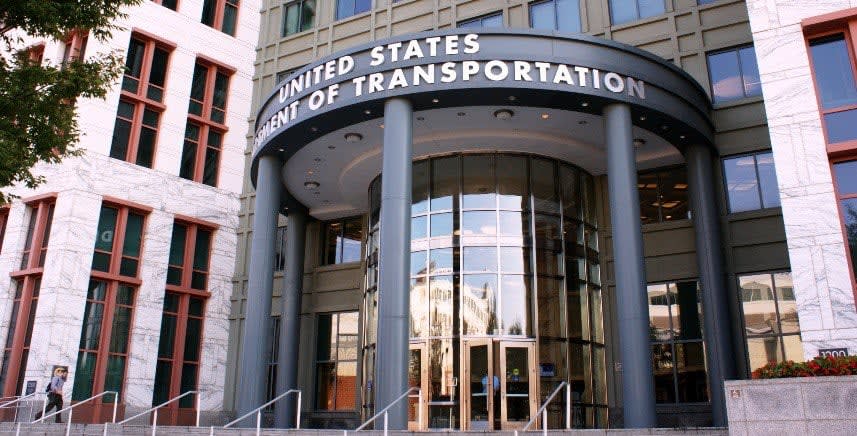
Key Biden appointments at DOT could signal safety and environmental priorities.
Photo: USDOT
A new deputy administrator for the Federal Motor Carrier Safety Administration was among those the Biden administration announced in key leadership roles at the Department of Transportation.
The Biden administration named Meera Joshi as deputy administrator for the Federal Motor Carrier Safety Administration.
Joshi comes to the FMCSA position from Sam Schwartz, a transportation consulting firm, but before that she was with the New York City Taxi and Limousine Commission for eight years, five as commissioner. In that position, she spearheaded novel regulations, including mandating the reporting of granular trip data from large app operators like Uber and Lyft. The commission was one of the lead agencies in New York’s Vision Zero program, promoting traffic safety through education, outreach, enforcement, and technology promotion programs. Through these efforts, fatalities involving the city’s taxi and limo vehicles were reduced by 50%.
Unlike the administrator position, which must be confirmed by the Senate, the deputy administrator is able to start work right away. The FMCSA has been operating under acting administrators since Administrator Ray Martinez stepped down in October 2019, most recently under Deputy Administrator Wiley Deck.
These acting heads of agencies are vital, because it may take time to get confirmed administrators into their positions. President Trump didn’t nominate Ray Martinez to head FMCSA until September of 2017, nine months after his inauguration, and wasn’t sworn into office until February 2018, more than a year after Trump took office.
Other Biden DOT appointees of interest include:
Lana Hurdle, DOT deputy assistant secretary for budget and programs, is serving as acting transportation secretary until Secretary-Designate Pete Buttigieg is confirmed.
Polly Trottenberg, deputy secretary at DOT. Commissioner of the New York City Department of Transportation for the last seven years, she served as the U.S. DOT’s assistant secretary for transportation policy and under-secretary for policy during the Obama-Biden administration. Trottenberg also helped implement the nation’s first Vision Zero program, taking a multi-disciplinary approach to eliminating traffic fatalities and injuries. She has also focused on improving transportation equity and access.
Steve Cliff, deputy executive officer of the California Air Resources Board, was named deputy administrator for the National Highway Traffic Safety Administration. NHTSA is the agency charged with vehicle safety and design, including fuel economy standards. It was NHTSA and the Environmental Protection Agency working together that designed the greenhouse gas emissions/fuel economy standards for commercial motor vehicles.
Stephanie Pollack, currently secretary and CEO of the Massachusetts Department of Transportation, was nominated to be deputy administrator of the Federal Highway Administration. As the state's transportation secretary, according to MassLive.com, she has overseen the transition to all-electronic tolling, as well as the mismanagement of commercial driver license records that contributed to keeping a truck driver on the road who was involved in a deadly crash that killed seven.
Given the fact that both Joshi and Trottenberg were active in Vision Zero, it’s not unreasonable to assume that a Biden infrastructure plan could call for incorporating those safety principles. And with a California emissions expert in one of the lead roles at NHTSA, we likely will see a move toward stricter fuel economy and emissions regulations.
“This experienced team looks forward to getting right to work on behalf of the American people to deliver on policies and projects that will create jobs, equitably serve all Americans, and meet the climate crisis,” said Carlos Monje Jr., senior advisor to the secretary and acting chief of staff. “President Biden has been clear: Stronger infrastructure is a key to building our country back better than it was before.”
More Safety & Compliance

FMCSA Pauses Biennial-Update Enforcement Amid Motus Transition
Carriers whose updates were due on or after June 1 have more time, while FMCSA works to stabilize its new registration system and warns of phishing sites impersonating its new carrier registration system, Motus.
Read More →
ZF Expands Commercial Vehicle Push in North America
ZF is expanding its North American commercial-vehicle presence with new transmission applications, electrification, trailer technology and autonomous-driving systems.
Read More →
Truck Drivers Need More Than Another Alert
Fleets have more visibility into truck health, safety events, and driver activity than ever. The next challenge is turning all that information into useful guidance for the person who has to decide what to do next.
Read More →
Tesla Wants a Self-Driving Semi. Are Cameras Enough?
Could Tesla’s camera-only autonomous driving technology work on an 80,000-pound Semi? In this commentary, HDT's Deborah Lockridge takes a look at Tesla, Cybercab, and how autonomous trucks see the road.
Read More →
What DOT’s Automated Vehicle Strategy Means for Trucking
The U.S. Department of Transportation issued a new automated-vehicle strategy that outlines plans for driverless-truck regulations, cross-state freight corridors, and federal safety standards.
Read More →
NYC Expands Speed, Pedestrian Safety Tech Across Fleet
New York City is expanding intelligent speed assistance and pedestrian-alert systems across its municipal fleet, moving the technologies from pilot programs into vehicle procurement and retrofit requirements.
Read More →
FMCSA Removes 110 Truck Driver Training Schools from Certified ELDT List
Federal regulators also are targeting more than 160 additional training providers and launching a nationwide audit of third-party CDL skills testers as part of a broader crackdown on trucking fraud.
Read More →
Beyond DOT Compliance: What Makes a Trucking Fleet Truly Safe?
A trucking fleet can follow every rule and still make unsafe decisions. The real test comes when safety conflicts with freight, productivity, or cost.
Read More →
Hours of Service Pilot Programs: FMCSA Readies for 2027 Rollout
Two pilot programs could eventually reshape hours-of-service rules, giving truck drivers options to pause their 14-hour clock or use longer split sleeper rest periods.
Read More →
New Guide Offers Pet Safety Tips for Truck Drivers
Hundreds of thousands of pets travel in truck cabs. A new safety guide from Volvo Trucks and the Center for Pet Safety offers practical advice for truck drivers who bring dogs and cats along for the ride.
Read More →