




Related – FMCSA Study: Costs of Crash Accountability Outweigh Benefits
ATA on CSA Proposal: Move to 'Risk-Based' Enforcement
Proposed changes to the Compliance, Safety, Accountability system are a good start, but American Trucking Associations says there's much more to be done.
by Staff
June 30, 2015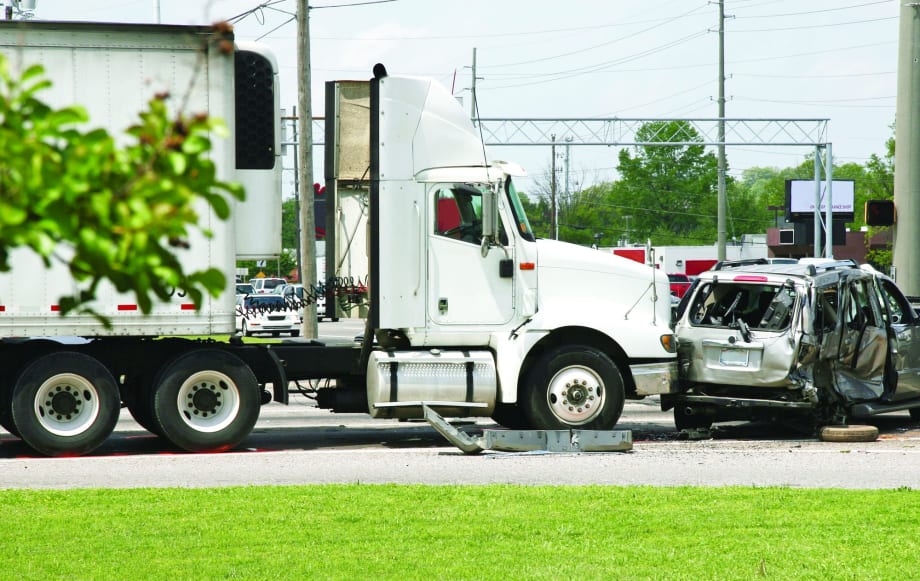
2 min to read
The Federal Motor Carrier Safety Administration's proposed changes to its Compliance, Safety, Accountability system, announced this week, were largely the result of a new report made public by the Department of Transportation. The American Trucking Associations applauds the proposals but says there's much more than needs to be done.
ATA Monday issued a statement calling on the FMCSA to accelerate the agency’s efforts to integrate more risk-based assessments into its enforcement programs in light of the new report.
“We appreciate the department and FMCSA finally making public the report and recommendations the independent review team submitted to the Secretary of Transportation last July,” said ATA President and CEO Bill Graves. “It is clear that, since receiving it last summer, FMCSA has been taking some positive steps to respond accordingly. It’s also clear that much more remains to be done.”
The report was issued by an independent review team appointed by the Secretary of Transportation in response to two specific National Transportation Safety Board recommendations. During investigations of four serious commercial motor vehicle crashes, NTSB found that FMCSA had failed to identify significant safety issues during prior audits of the motor carriers involved in the crashes.
“ATA is particularly pleased that the Independent Review Team highlighted the critical need for FMCSA to better align compliance and enforcement programs with the risks that actually cause crashes,” said ATA Executive Vice President and Chief of Advocacy Dave Osiecki. “A number of stakeholders, including the Government Accountability Office, have observed the agency is often focused on compliance issues that do not bear a relationship to crash risk.”
The report presents a range of recommendations relating to FMCSA’s Compliance, Safety, Accountability program, more efficient use of field enforcement resources, ways to make on-site compliance reviews more effective and measures to incent carrier-based, non-regulatory safety initiatives. For instance, the report points out CSA could be more effective if behaviors directly and immediately connected to crash risk were separated from “form and manner” compliance issues, notes ATA.
In particular, the association says, the report discussed how, during on-site audits, investigators sometimes ignore violations that may relate to crash risk in favor of paperwork issues that are easier to document and more readily available.
“In the interest of preventing CMV crashes, FMCSA should make a greater commitment to be “risk-based” and reform its compliance and enforcement programs accordingly,” Osiecki said. “And, we’re pleased that FMCSA is moving forward with a new partnership program aimed at recognizing trucking fleets whose safety policies and programs go beyond regulatory compliance. Both of these efforts ensure the most efficient use of resources and are in the shared interests of government, the industry and other highway users.”
More Safety & Compliance

How Lance Evans Turns Enforcement Experience Into Better Fleet Safety
HDT Truck Fleet Innovator Lance Evans brings lessons from law enforcement to K&B Transportation’s approach to safety technology, data, driver coaching, and compliance.
Read More →
New FMCSA Chief Safety Officer Has Trucking Industry and Law Enforcement Experience
Steve Dowling joins FMCSA after serving as senior director of safety at Covenant Logistics and in leadership roles in commercial motor vehicle industry organizations.
Read More →
Driver Trust Can Make or Break the Success of Fleet Safety Technology
New Teletrac Navman research suggests that onboarding, transparency about driver data, and positive feedback can play a significant role in how commercial drivers respond to safety and coaching technology.
Read More →
FMCSA: Stop Using These 15 Electronic Logging Devices
Fleets and drivers must replace the revoked ELDs with ones on the FMCSA's registered device list of electronic logging devices.
Read More →
How HDT’s 2026 Truck Fleet Innovators Are Rethinking Fleet Operations
Meet five trucking leaders who are challenging assumptions, solving operational problems, and putting innovative ideas to work.
Read More →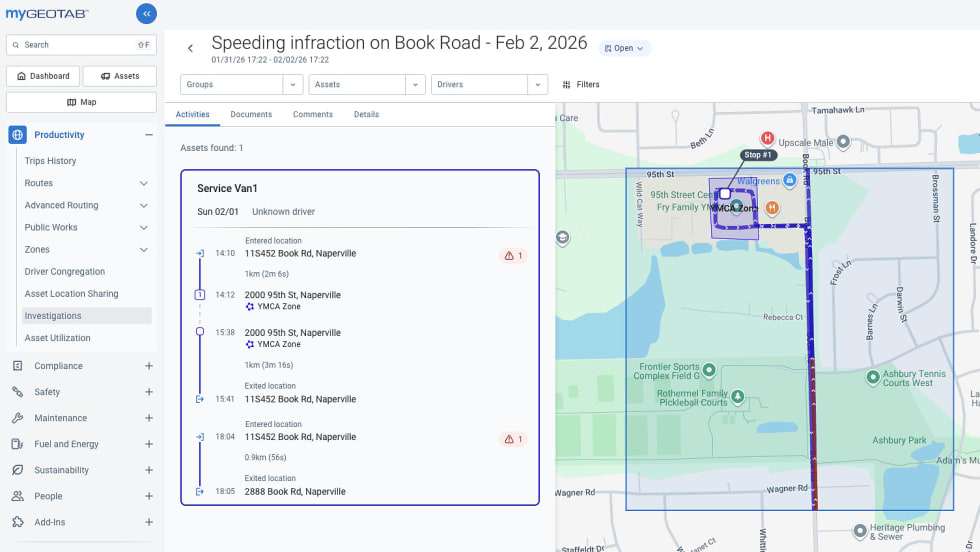
Geotab Launches Tool to Speed Fleet Incident Investigations
Geotab Investigations brings telematics data, video, photos, reports and other evidence into one case file to help fleets determine what happened and resolve incidents faster.
Read More →
FMCSA Moves to Codify English Language Requirements for Commercial Drivers
By changing regulations on English-language proficiency requirements for commercial drivers, rather than relying on a guidance memo, the FMCSA said future administrations won't be able to walk back the Trump administration's stricter enforcement with just a memo.
Read More →
Trump Administration Expands Homeland Security's Role in Trucking Enforcement
The administration's latest trucking crackdown goes beyond roadside inspections, expanding Homeland Security's role in commercial vehicle enforcement and investigations involving CDL training schools.
Read More →
Paccar Recalls 2027 Trucks Built This Summer for Possible Electrical Problem
The nearly 6,000 Kenworth and Peterbilt trucks in the recall could potentially lose engine power, among other things.
Read More →
Brake Safety Week to Focus on Drums and Rotors
Commercial vehicle inspectors are focusing on truck brakes during CVSA's Brake Safety Week, August 23-29.
Read More →