




"Criminals will continue to weigh the pros of easy obtainability and liquidation against the cons of perishability and medium-value density."
Report: Cargo Thieves Hungry for Food, Drinks
A new report says when it comes to cargo thefts in the U.S., one category is seeing more interest by thieves – and it’s anything but high-tech.

Evan Lockridge・Former Business Contributing Editor
3 min to read
A new report says when it comes to cargo thefts in the U.S., one category is seeing more interest by thieves – and it’s anything but high-tech.
It turns out food and drink is the most stolen type of freight since 2008, according to the logistics security services provider FreightWatch International.
It found this product type is also experiencing a similar trend to what’s being seen in the pharmaceutical category, in that its overall volume of thefts is dropping, but the average loss value is steadily climbing, based on FreightWatch data from the third quarter of 2013 through the second quarter of this year.
According to the report, while this trend in pharmaceuticals is largely due to the decrease in readily obtainable, low security loads as the industry has hardened its supply chain, this trend in food and drinks is largely due to the rise in theft rates of other, more valuable products.
“Simply put, as the availability of low-security and high-value loads diminishes, organized cargo criminals must broaden their efforts, targeting a wider variety of low-risk, high-reward shipments,” the report said. “Additionally, seasonal trends becomes apparent, with volumes rising in fourth quarter to peak in the first quarter, then decreasing again in the summer months, potentially due to increased risk of spoilage of perishable products.”
FreightWatch says when subcategories in the food and drink category are examined, several facts become apparent.
The most popular subtype is sodas, juice, tea and water, with 16% of the total food and drink heists. Seafood and nuts, however, only accounted for 8% and 6% of the total, respectively, but recorded the two highest average loss values at $178,488 and $160,491 each.
Meats, another cost-dense food, is a subtype that lies at the intersection of the high value and frequently stolen categories. With 12% of the total, it is the third most stolen subtype after canned and dry goods, and has the fourth highest average loss value at $78,397.
When food and drinks thefts valued over $250,000 are looked at closely, some interesting details also emerge, according to FreightWatch. Seafood accounts for 50% of thefts over $250,000, with nuts accounting for another 25%.
Additionally, all food and drink thefts over $250,000 were perpetrated in one of three states: California, with a 50% share; Florida second with 38% of such thefts, while New Jersey had 12% of these thefts for third place.
According to FreightWatch, although the value of reported food and drinks cargo theft incidents is relatively low, ranking eighth out of 12 in the second quarter of the year, it is on the rise.
“This product type is showing that trends seen in other high-value areas is not isolated to electronics or pharmaceuticals, but in fact organized cargo criminals are actively and aggressively targeting food and drinks and will continue to do so,” the report said. “With no unique serialization to hinder the reselling of these products, criminals will continue to weigh the pros of easy obtainability and liquidation against the cons of perishability and medium-value density as they determine where to focus their efforts.”
The bottom line, food and drinks will continue to rise in value as thieves attempt to regain what is lost in volume with value.
More Fleet Management

What the U.S.-Canada Trade War Means for Trucking
Escalating U.S.-Canada tariffs could disrupt cross-border freight, reduce truck volumes, raise costs, and create new uncertainty for carriers on both sides of the border.
Read More →
What Are Trucking’s Top Concerns for 2026?
The American Transportation Research Institute wants to know what's worrying trucking fleet managers, drivers, and other stakeholders in its annual Industry Issues survey.
Read More →
American Trucking Associations Looks for a New Leader
ATA President and CEO Chris Spear abruptly left his job at the association on August 21, at a pivotal time for the trucking industry.
Read More →
Public Wi-Fi Cybersecurity Risks: How Truck Drivers and Fleets Can Protect Their Data
Public Wi-Fi can expose truck drivers and fleets to credential theft, malware, and other cyber threats. Here’s how to reduce the risk on the road.
Read More →
For Nicky Cupp, Fleet Innovation Starts With Frustration
HDT Truck Fleet Innovator Nicky Cupp turns everyday pain points at Fraley & Schilling into opportunities for better technology and smarter processes.
Read More →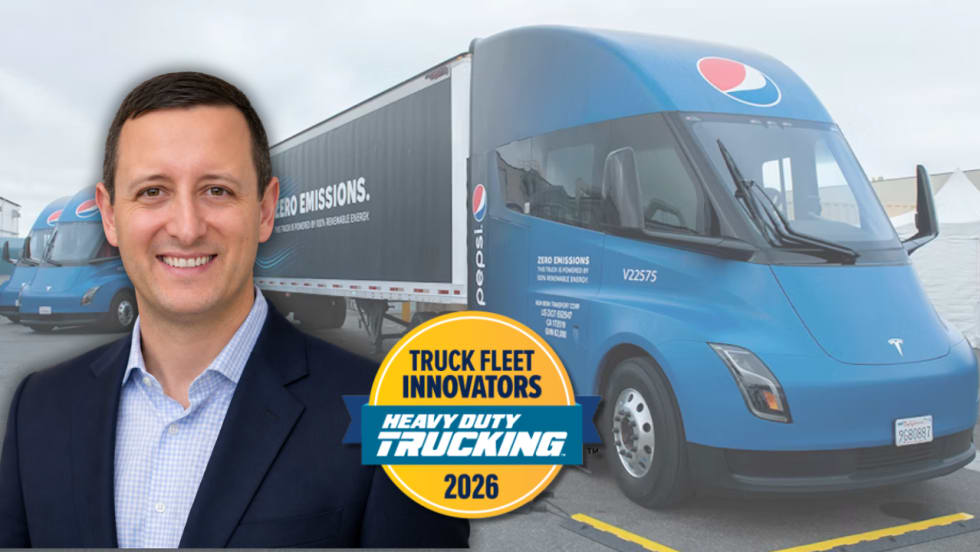
Adam Buttgenbach’s Approach to Electric Trucks: Start With Where They Fit
HDT Truck Fleet Innovator Adam Buttgenbach helped PepsiCo build one of North America’s largest EV fleets by focusing on where electric trucks make operational sense.
Read More →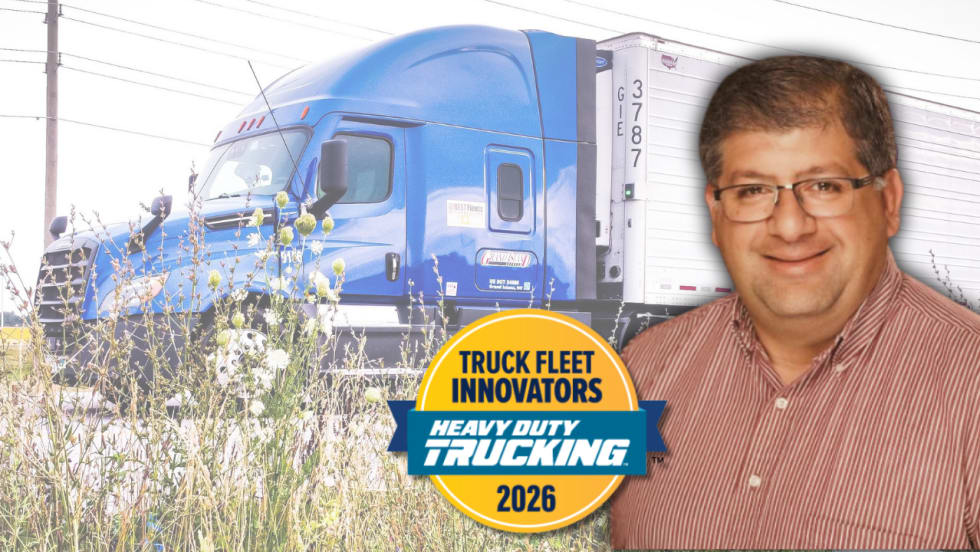
Deen Albert: Let Automation Do the Math, People Make the Decisions
HDT Truck Fleet Innovator Deen Albert makes sure people are still at the heart of operations at Grand Island Express, even while adopting artificial intelligence tools. AI-assisted dispatch helped boost revenue 25% with the same number of trucks.
Read More →
Trimble’s New AI Agent Takes Aim at Fleet Back-Office Busywork
Arc Agent works across Trimble TMS products to automate repetitive tasks such as freight orders, maintenance, invoices, fuel costs and more.
Read More →
How HDT’s 2026 Truck Fleet Innovators Are Rethinking Fleet Operations
Meet five trucking leaders who are challenging assumptions, solving operational problems, and putting innovative ideas to work.
Read More →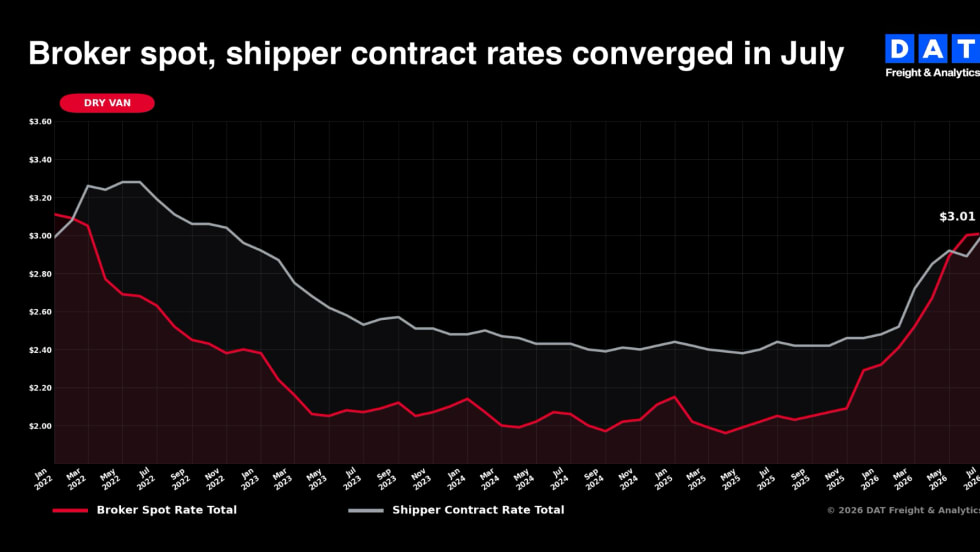
Tight Trucking Capacity Pushes Rates Higher Even as Freight Volumes Fall
“Spot rates moving ahead of contract rates have historically signaled a tightening market, but we haven’t seen a capacity-driven market quite like this one,” said DAT's Dean Croke.
Read More →