


 MENU
 SEARCHMENUSEARCH

This week, the Internal Revenue Service issued final regulations under the Employer Shared Responsibility (aka “employer mandate”) provisions of the Affordable Care Act.
Read More →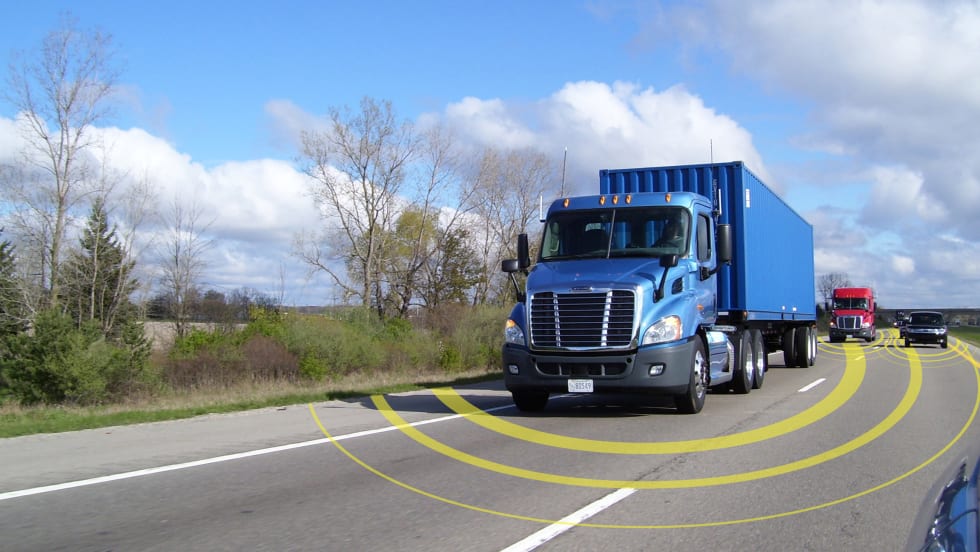
Most large fleets have extensive experience with telematics: GPS location and mobile communications systems that collect data and communicate it back to a server where the fleet can access the information. As the amount and kind of data has increased in recent years, fleets have adopted tools to make sense of all that information and use it across their operation.
Read More →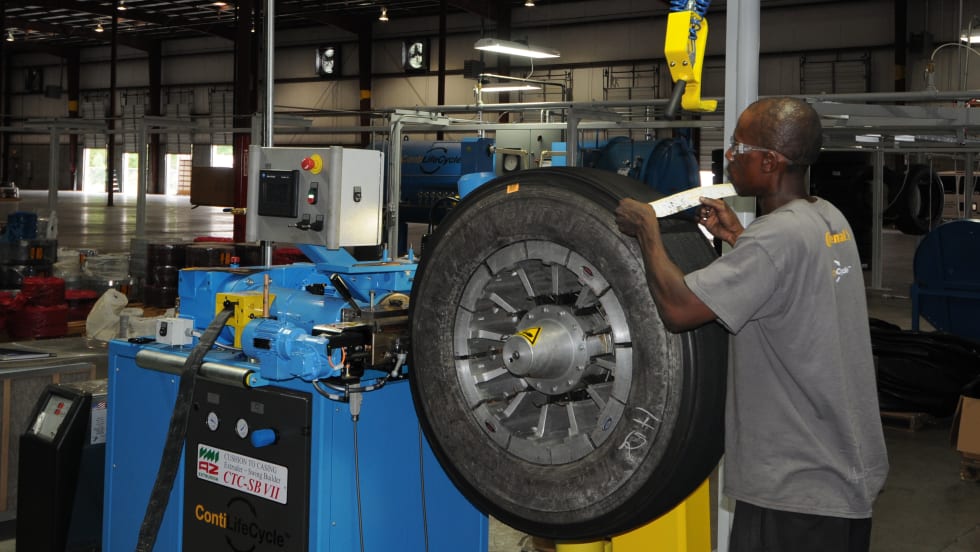
The last time retread tires outsold replacement truck tires was 2009. Before that, it was 2004. Tire market data from 2013, published by our sister publication, Modern Tire Dealer, shows replacement tires outsold retreads last year, but by a thinning margin. That leads us to the question, is a five-year cycle about to repeat itself?
Read More →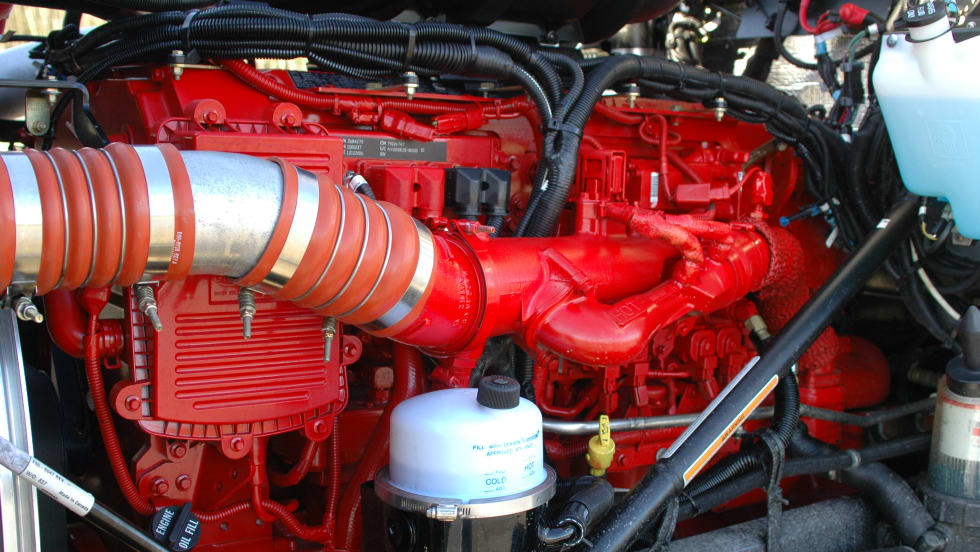
While most of the early problems have been engineered out of the exhaust gas recirculation systems on today’s clean diesel engines, corroded coolers, stuck valves and other problems still plague owners of older equipment.
Read More →
Although work trucks are typically smaller and lighter than Class 8 freight haulers, often they are more complex and take more work to design and assemble. Work trucks are built to carry tools, parts, expendable supplies and other equipment that its driver or crew needs to accomplish a job.
Read More →
Have you been avoiding spec’ing your vehicles with air disc brakes because you think they are not seeing widespread use or because you have concerns about the cost of maintaining them? Aftermarket Editor Denise Rondini says you may be surprised.
Read More →
The trucking industry is extremely competitive, and shippers have lots of choices when it comes to getting their products to market. If you are going to capture business, you need to stand out from the crowd.
Read More →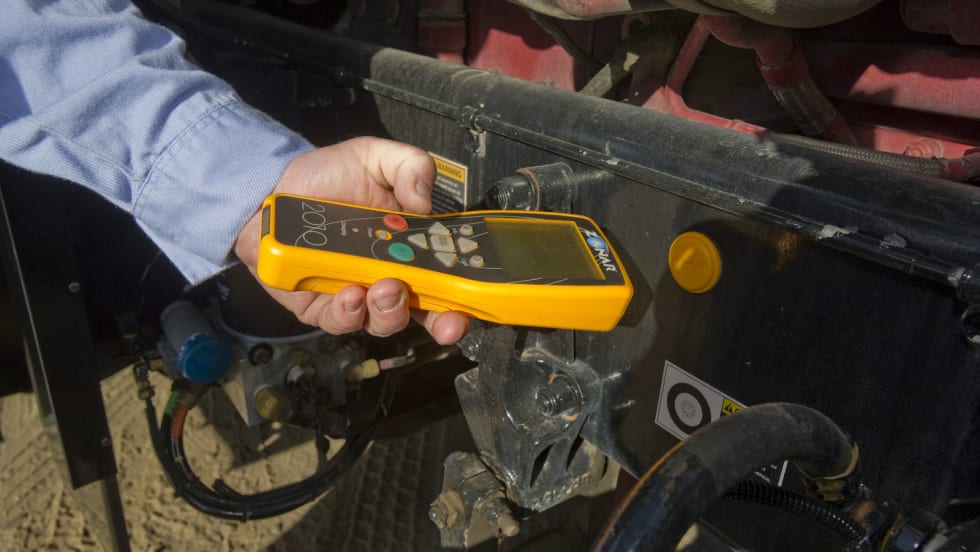
Whether you operate one truck or 1,000, monitoring and managing costs is one of your most important tasks. Fleets have used technology to help them control costs for some time, but the latest third- or fourth-generation systems are capable of generating tremendous amounts of information fleets can put to use.
Read More →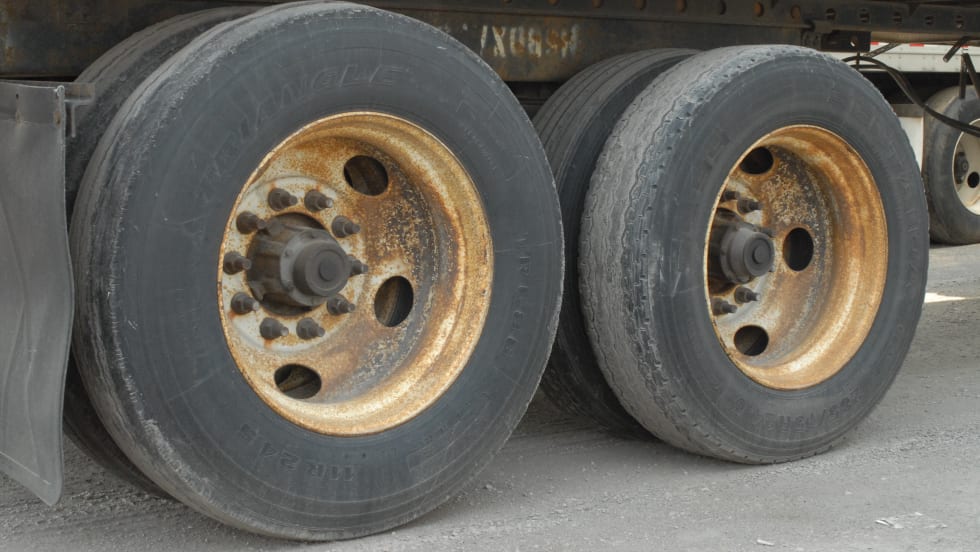
Back in 1984, the Occupational Safety and Health Administration issued a regulation requiring that truck wheels be stripped of rust and debris before mounting a tire. Easier said than done, the industry moaned at the time. Labor was less costly then, but wire brushes and elbow grease weren’t going to cut it.
Read More →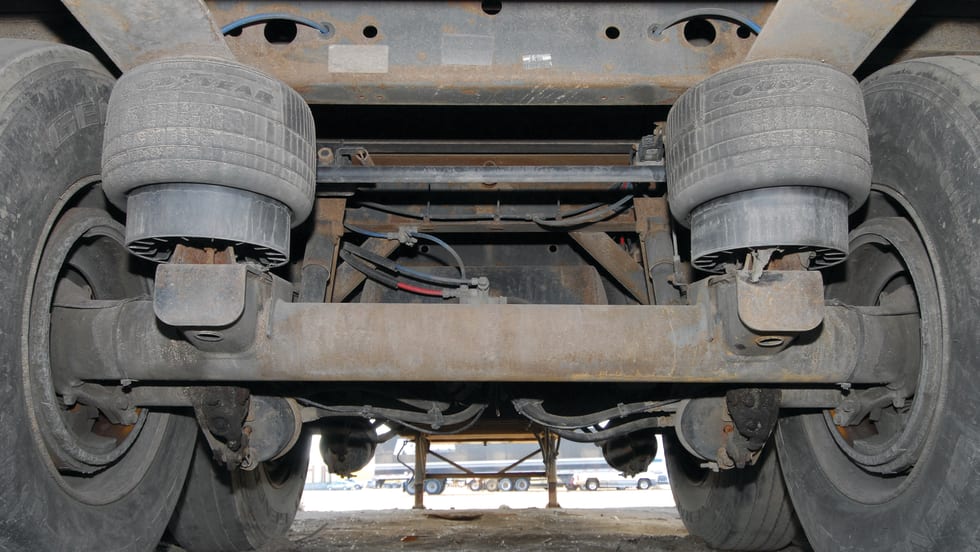
As fleets everywhere work on cutting fuel expenses, one strategy is shedding pounds anywhere they can stand to lose them. “Most fleets that are fuel conscientious are weight conscientious. The heavier the unit weighs, the higher cost per mile to operate it."
Read More →