




Does More Fuel Data Make You Smarter?
Although technology has enabled us to collect so much data now, does having vast amounts of it really make us any smarter? Negotiating fuel-discount programs won't do you much good unless you know how to make sense of the fueling data.
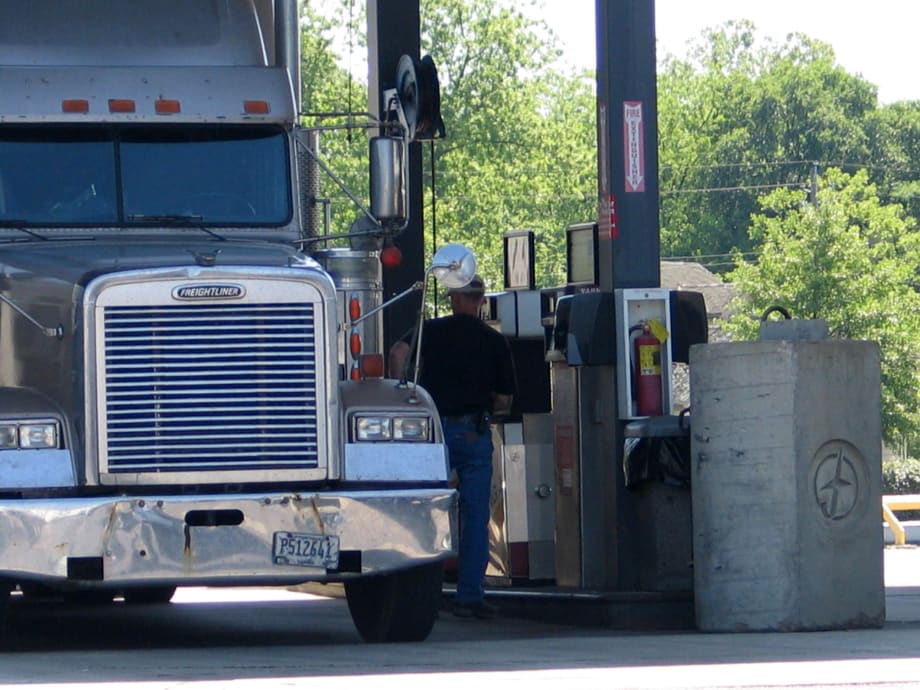
Fuel card vendors now provide more data than ever about fueling transactions. (Photo by Deborah Lockridge)

Fuel card vendors now provide more data than ever about fueling transactions. (Photo by Deborah Lockridge)
"Big Data is Dumb Data." That phrase has really stuck with me over the past few years. Before I joined Sokolis Group, I spent a number of years at a company called ALC within the direct marketing industry. Chairman Donn Rappaport came up with that phrase as Big Data proliferated throughout the marketing industry.
The point of his observation was simple: Although technology has enabled us to collect so much data now, does having vast amounts of it really make us any smarter?
It really doesn't -- unless someone is looking at it, interpreting what it says and driving the necessary actions to generate value from it.
After attending the ATA's MC&E conference in Orlando last fall, and having the opportunity to stroll through the aisles of the exhibit floor, I realized just how much Big Data has impacted the transportation industry. There are so many companies now offering technology solutions, which gather almost every imaginable piece of data generated by the vehicle and driver.
That data can even be sent to you in real-time so you can have volumes coming at you all of the time. The same goes for the fuel card vendors who have been on the data scene much longer. They now provide more data than ever about fueling transactions.
Undoubtedly, there is value that can be sifted out of the information. But when companies decide to invest in the products and services that generate the data, they should also consider the time required to digest and interpret it. Without the analytical resources required, the data might just flow into an overstuffed email box of someone struggling to keep up with their "primary" job responsibilities.
Maybe the reports will get a quick glance and a sign-off, but will an appropriate effort be made to review the information, fully understand it and make informed decisions for the future?
The same situation is common for fuel management programs. There is a significant amount of data that can be made available for fleet fueling transactions. This information can be used to drive substantial savings to a company's bottom line.
Many companies have negotiated good deals on diesel fuel prices and set up a fuel card program. They can take pride in those accomplishments, but it is often followed by the mistake of not carefully looking at the data generated by these programs on a regular basis. For a large fleet, there may be tens of thousands of fueling transactions per month to be analyzed.
Procedures must be establish to continually audit and reconcile the data contained in invoices and reports. Unfortunately, it is a common problem to hear about companies not reviewing the data and being exposed to the risk of overpaying for fuel.
A fueling transaction has basic pieces of data like the number of gallons and cost per gallon, but there are other elements that can be gathered which are useful. In particular, odometer readings are very important, and not just for monitoring maintenance intervals.
As an example, maybe your company has negotiated a great deal for diesel fuel and even set up a process to verify the fuel prices every day. The expected savings could be wasted away by excessive idle times. Just looking at odometer readings, or even an mpg calculation, won't tell you what is really going on. Someone has to really analyze the data, spot the problem and then pursue it with operational personnel to determine what is really happening.
Then, strategies can be developed to improve the situation.
The data can't do it by itself, no matter how much data you have.
So before you or your company goes out and acquires new technology or implements a new program designed to collect data with the intent of saving money, be sure to also consider whether you have the adequate resources and expertise to analyze the data. Remember, Big Data is Dumb Data. It's really all of us that make it smart.
Howard Abrams is EVP/CFO of Sokolis Group, a fuel and fleet management service provider.
Related Stories:
More Fleet Management

How Telematics Improves Visibility, Control, and Performance in Refrigerated Fleets
Explore how telematics help refrigerated fleets improve visibility, uptime, efficiency, compliance, and cargo protection across connected cold chain operations.
Read More →
What the U.S.-Canada Trade War Means for Trucking
Escalating U.S.-Canada tariffs could disrupt cross-border freight, reduce truck volumes, raise costs, and create new uncertainty for carriers on both sides of the border.
Read More →
What Are Trucking’s Top Concerns for 2026?
The American Transportation Research Institute wants to know what's worrying trucking fleet managers, drivers, and other stakeholders in its annual Industry Issues survey.
Read More →

American Trucking Associations Looks for a New Leader
ATA President and CEO Chris Spear abruptly left his job at the association on August 21, at a pivotal time for the trucking industry.
Read More →
Public Wi-Fi Cybersecurity Risks: How Truck Drivers and Fleets Can Protect Their Data
Public Wi-Fi can expose truck drivers and fleets to credential theft, malware, and other cyber threats. Here’s how to reduce the risk on the road.
Read More →
For Nicky Cupp, Fleet Innovation Starts With Frustration
HDT Truck Fleet Innovator Nicky Cupp turns everyday pain points at Fraley & Schilling into opportunities for better technology and smarter processes.
Read More →
Adam Buttgenbach’s Approach to Electric Trucks: Start With Where They Fit
HDT Truck Fleet Innovator Adam Buttgenbach helped PepsiCo build one of North America’s largest EV fleets by focusing on where electric trucks make operational sense.
Read More →
Deen Albert: Let Automation Do the Math, People Make the Decisions
HDT Truck Fleet Innovator Deen Albert makes sure people are still at the heart of operations at Grand Island Express, even while adopting artificial intelligence tools. AI-assisted dispatch helped boost revenue 25% with the same number of trucks.
Read More →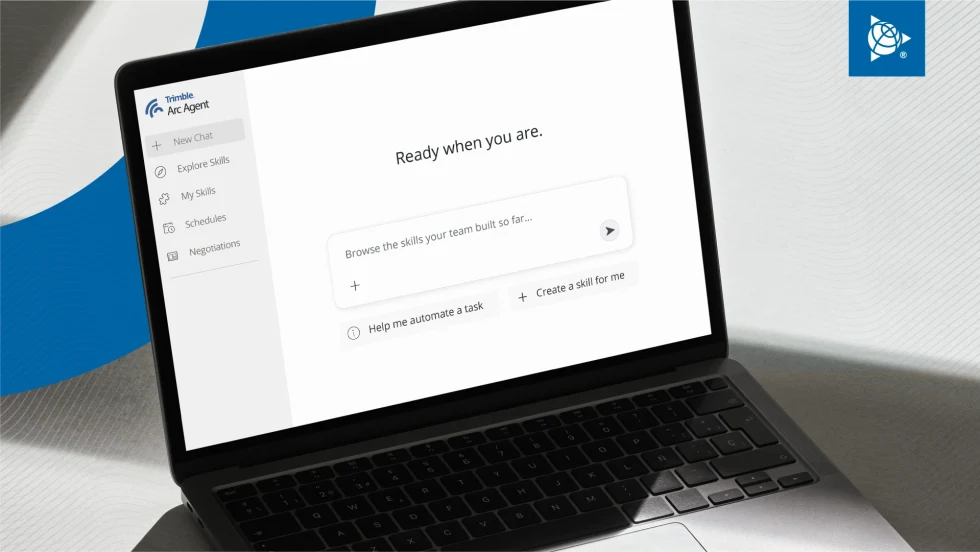
Trimble’s New AI Agent Takes Aim at Fleet Back-Office Busywork
Arc Agent works across Trimble TMS products to automate repetitive tasks such as freight orders, maintenance, invoices, fuel costs and more.
Read More →
How HDT’s 2026 Truck Fleet Innovators Are Rethinking Fleet Operations
Meet five trucking leaders who are challenging assumptions, solving operational problems, and putting innovative ideas to work.
Read More →