




Tech Tip: Pintle Hook Inspection Procedures
SAF-Holland shares some tips for inspecting a rigid-mount, air cushioned pintle hook, primarily used for double and triple trailer configurations using converter dollies, as well as straight trucks such as dumps that pull rigid tongue equipment trailers.
SAF-Holland recommends the following steps for inspecting a rigid-mount, air cushioned pintle hook, primarily used for double and triple trailer configurations using converter dollies, as well as straight trucks such as dumps that pull rigid tongue equipment trailers. These are general guidelines; follow your specific pintle hook manufacturer’s instructions.
For proper performance, the following maintenance steps should be performed every 30,000 miles or three months, whichever comes first.
1. Check the wear on the hook portion of the pintle hook using a pintle hook gage. Replace pintle hook when horn wear exceeds 1/8 of an inch (0.125 inches) from the original surface profile.
NOTE: Contact your pintle hook manufacturer if a pintle hook guage is not available.
2. Check the pintle hook for damage. Inspect the pintle hook for any nicks, gouges, deformation or cracks, which may interfere or affect the safe use of the pintle hook. Replace the pintle hook if any damage is noted.
3. Check mounting fasteners for proper torque. Also check the mounting surface of the truck or trailer that the pintle hook is mounted to for any cracks or other indications of metal fatigue.
4. Clean and check latch and air cushioning system for proper operation. Inspect for excessively worn, damaged or missing parts. Replace as required using original parts supplied by your pintle hook manufacturer.
Lubricate latch pivots with a light oil lubricant. Wipe away excess oil so that it does not attract sand and dirt.
Check plunger adjustment. When properly adjusted, the plunger should tightly grip a 1.25-inch round bar when the air chamber is energized. It should retract far enough back when de-energized to allow easy removal of a 1.63-inch diameter drawbar from the pintle hook. If the plunger is out of adjustment, please refer to your manufacturer’s User Manual for the proper adjustment procedure.
With the latch closed, measure the gap between the hook and the latch while lifting up on the latch. Replace the latch when gap exceeds 3/8 inches (0.375 inches).
5. Do not grease or lubricate the horn of the pintle hook. Doing so will attract sand and dirt, which acts as an abrasive, accelerating wear of the horn and drawbar eye.
More Maintenance
The Maintenance Checks Trucking Fleets Should Prioritize Before Fall Freight Picks Up
Making it through August isn’t the same as being ready for the next several months of operation. Find out what systems may have suffered from summer heat and need to be checked out before fall.
Read More →
What Three Fleets Are Doing Differently When Buying Truck Parts in 2026
With freight improving but costs still climbing, fleet maintenance executives explain how they're balancing price, quality, and supplier relationships.
Read More →
Paccar Recalls 2027 Trucks Built This Summer for Possible Electrical Problem
The nearly 6,000 Kenworth and Peterbilt trucks in the recall could potentially lose engine power, among other things.
Read More →
Will API PC-12 Oil Change Trucking Fleet Maintenance?
The new API PC-12 heavy-duty engine oil category reflects the changing demands of modern diesel engines. But fleets like Foodliner are looking to getting their own data before making decisions on adopting the new oils and questions such as extending oil drain intervals.
Read More →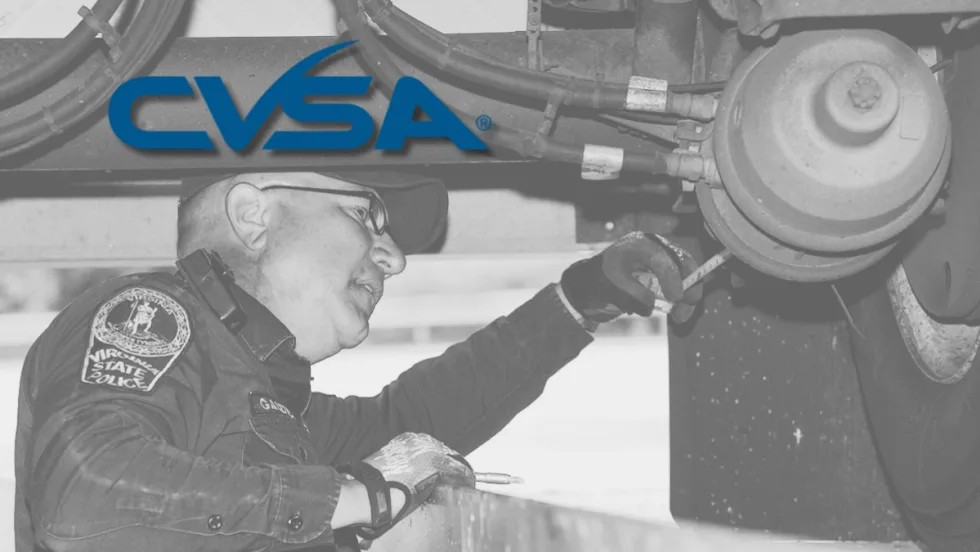
Brake Safety Week to Focus on Drums and Rotors
Commercial vehicle inspectors are focusing on truck brakes during CVSA's Brake Safety Week, August 23-29.
Read More →
Possible Battery-Cable Fires Prompt Recall of 15,000+ International MV and HV Trucks
On the recalled vehicles, manufacturing variations can cause the battery interconnect cable to contact the auxiliary stud and hold down the bracket.
Read More →
Rush, MCT Team Up to Grow Refrigeration Service Network
The joint venture will operate MCT's network of Carrier Transicold dealerships and mobile service locations, with the companies promising greater service capacity and uptime for refrigerated fleets.
Read More →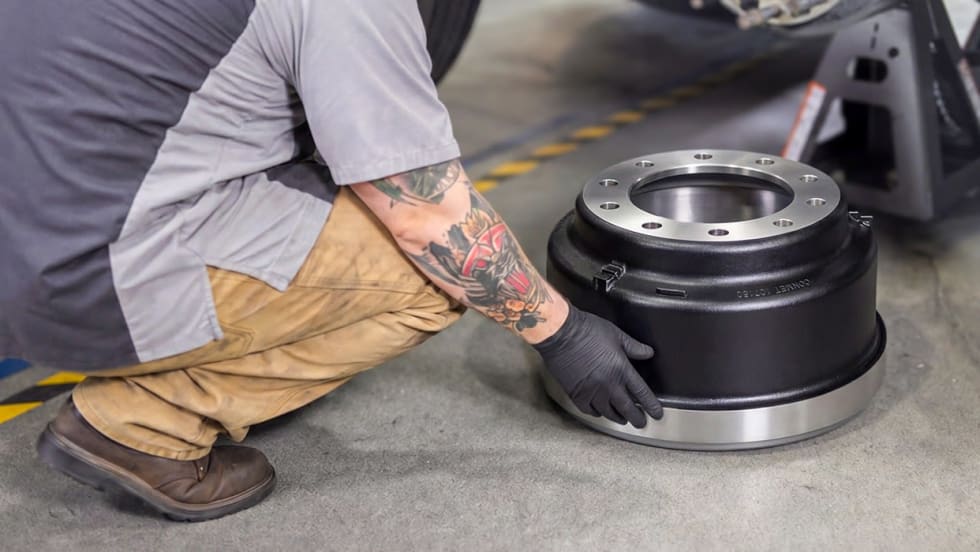
ConMet Expands Aftermarket Brake Drum Lineup With TruCast
A new heavy-duty truck brake drum option in the aftermarket gives customers more flexibility within the ConMet product family.
Read More →
Mack Expands Premium Service Contract Coverage to Medium-Duty MD
With a service contract, inspections, preventive maintenance and repairs can be handled in a single visit instead of multiple ones.
Read More →
Maintenance in the Messy Middle Part 5: Battery-Electric Trucks
No oil changes. No diesel exhaust fluid. No exhaust aftertreatment. But NACFE battery-electric trucks still require specialized maintenance procedures.
Read More →