




What You Need to Know About Operating in Canada
FMCSA and the U.S. DOT have no influence over what happens in Canada, but Canada has plenty of its own regulatory agencies and ministries whose rules will affect American carriers' privileges and ability to operate there.


The Peace Bridge over the Niagara River; Drivers with checkered pasts may not be admissible to either Canada or the U.S., but since U.S. drivers rarely cross the Mexican border, immigration issue aren't as much of a factor.

The Peace Bridge over the Niagara River; Drivers with checkered pasts may not be admissible to either Canada or the U.S., but since U.S. drivers rarely cross the Mexican border, immigration issue aren't as much of a factor.
FMCSA and the U.S. DOT have no influence over what happens in Canada, but Canada has plenty of its own regulatory agencies and ministries whose rules will affect American carriers' privileges and ability to operate there.
With a few notable exceptions, Canadian trucking rules are nearly identical to U.S. Here are a few of the common questions about Canadian rules.
Most U.S. trailer configurations are allowed in Canada, but the 10-ft, 1-in. axle spread is frowned upon in western Canada. The overall length limit is 23 m or 75.5 feet. Some jurisdictions require permits for long wheelbase tractors pulling 53-ft trailers.
Gross and axle weight limits are more liberal in Canada, so any load that complies with U.S. interstate rules will be legal in Canada.
Canadian hours-of-service rules are more liberal than American rules. Canada permits 13 hours of driving within a 14-hour workday, and requires 10 hours off duty. Canada allows a reset, but it must be 36 hours, rather than 34. Generally speaking if you comply with U.S. HOS rules, you're compliant in Canada. And that goes for most Canadian rules, including cargo securement and the medical requirements, but there are always exceptions. Call ahead if you are unsure.
Canada does not have a federal regulatory agency like the Federal Motor Carrier Safety Administration. It has a federal department called Transport Canada, but it has little actual regulatory control. In Canada, the rules are made and enforced by individual provinces and territories. There is however The National Safety Code, which is a set of national standards supported by provincial regulations. The NSC standards establish minimum safety standards for commercial drivers and commercial vehicles licensed with a gross vehicle weight of more than 5,000 kg (12,000 lb).
Driver Admissibility
American drivers and other foreign nationals working for U.S.-based carriers are allowed into Canada provided they have documentation and do not have a criminal record. It's important to note that a drunk driving conviction, including conviction under open container laws, will disqualify a driver from entering Canada as that country treats DWI as a criminal offense.
Firearms are highly regulated in Canada and must be declared when entering the country. Failure to do so could result in forfeiture and criminal penalties. Handguns are not permitted, including guns properly registered in the U.S. Different provinces have different rules relating to firearms, so call ahead if you're packing and planning to enter Canada.
Finally, since you'll be returning home some point, be mindful that U.S. Border Protection Services and Homeland Security have identity requirements for all persons entering the U.S.
More Drivers
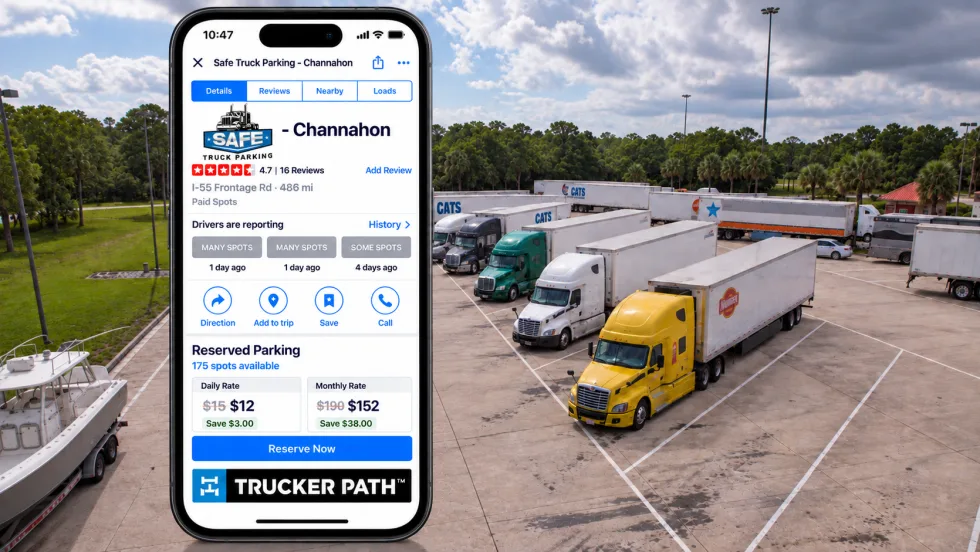
Trucker Path Expands Reserved Parking Network
Trucker Path has added close to 6,000 more truck parking spaces to its Trucker Path Reserved Parking Network with the addition of Safe Truck Parking.
Read More →
EEOC Sues Texas Trucking Company Over Driver Age Limits
The agency says Trancasa USA rejected applicants over 65 and applied tougher driving-record standards to those over 60.
Read More →
Nussbaum, Roehl Announce Second Driver Pay Increase This Year
This year has seen a swath of major truck driver pay increases as freight capacity has tightened.
Read More →
From One Generation to the Next: How Mentorship Builds Safer Truck Drivers
After three decades in trucking, Harold Perry shares what he's learned about driver safety, mentorship, and helping the next generation build confidence behind the wheel.
Read More →
Truck Drivers Need More Than Another Alert
Fleets have more visibility into truck health, safety events, and driver activity than ever. The next challenge is turning all that information into useful guidance for the person who has to decide what to do next.
Read More →
FMCSA Removes 110 Truck Driver Training Schools from Certified ELDT List
Federal regulators also are targeting more than 160 additional training providers and launching a nationwide audit of third-party CDL skills testers as part of a broader crackdown on trucking fraud.
Read More →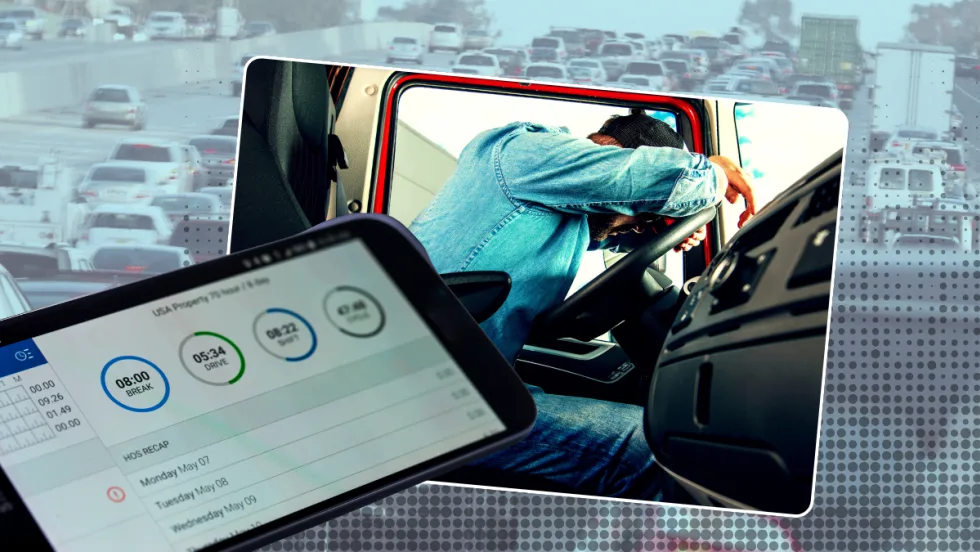
Hours of Service Pilot Programs: FMCSA Readies for 2027 Rollout
Two pilot programs could eventually reshape hours-of-service rules, giving truck drivers options to pause their 14-hour clock or use longer split sleeper rest periods.
Read More →
Medical Cards, English Proficiency Reshape Roadcheck Violations
Medical-card violations jumped to the top of the driver out-of-service list during CVSA’s 2026 International Roadcheck, while English-language proficiency violations appeared among the leading violations for the first time.
Read More →
Driver Trust Can Make or Break the Success of Fleet Safety Technology
New Teletrac Navman research suggests that onboarding, transparency about driver data, and positive feedback can play a significant role in how commercial drivers respond to safety and coaching technology.
Read More →
EEOC Sues KLLM Over Alleged Sex Discrimination in Driver Training
KLLM is facing a federal sex-discrimination lawsuit over policies the EEOC alleges put female truck driver trainees at a disadvantage.
Read More →