




What Will the Class 8 Market Look Like in 2017?
The economy is currently on solid footing, but the Class 8 market has fallen dramatically this year. With the economy expected to grow slightly better in 2017, can we expect this to translate into a better environment for new equipment orders for the truck OEMs and their suppliers?

The economy is currently on solid footing, but the Class 8 market has fallen dramatically this year. With the economy expected to grow slightly better in 2017, can we expect this to translate into a better environment for new equipment orders for the truck OEMs and their suppliers? The answer is likely to be yes, but there are several risks that could change our expectations for 2017.
The Economy
The economy is currently on solid footing and GDP is expected to grow slightly over 2% in 2017. The real battles for the economy are likely to be for 2018 and beyond, although those battles will be fought in 2017. That’s when the new administration and Congress will make decisions on infrastructure stimulus, taxes, trade, and deficits.
How much stimulus is added to a full employment economy?
Will tax cuts affect the middle-class, as well as the wealthy?
How will all of this be paid for?
How will trade issues be handled?
These are important questions. Adding stimulus to a full-employment economy and importing inflation via trade tariffs leads to higher interest rates. This raises the probability of a recession down the road. It also could mean stronger growth in late 2017 and into 2018.
Trade is a wild card. The risk to economic growth could be minimal if the new administration targets specific industries. However, in the event of trade conflicts, the impact could be much larger and potentially dangerous to global growth.
Class 8 Trucks
Most of the risk for 2017 is centered on two key items: freight growth (which is tied to the economy) and implementation of the electronic logging devices (ELD) mandate.
Freight growth has been relatively modest over the last year and we expect that to continue into 2017. The good news is that we are finally seeing some positive data come out of the spot market. We are hopeful that this is an early indication of improved demand as we finish 2016 and start off 2017.
While the regulatory agenda is in the new administration’s bulls-eye, the likelihood that ELD implementation is removed or delayed significantly seems unlikely at this time. Non-finalized regulations will be quicker and easier targets to attack. The biggest question comes down to how fast small fleets implement this new device (actually, it’s mostly software) into their operations and how much it truly impacts their operations. Until now, we have only been able to estimate the impact based on their responses to surveys and our knowledge of their operations. Later this year we will start getting hard results as those operations finally implement ELDs en masse.
This does create a real upside potential for equipment demand if the productivity losses that we estimate do come to fruition. As long as freight growth continues, we should expect to see a significant tightening of capacity by the time the fall ordering season hits for new Class 8 trucks. Pay attention to September and October new truck orders; they will tell us a lot.
More Equipment

Electric Yard Tractors Move Beyond Pilots
Operating-cost savings have overtaken sustainability goals as the leading reason surveyed fleets are adopting battery-electric terminal tractors, according to new NACFE research.
Read More →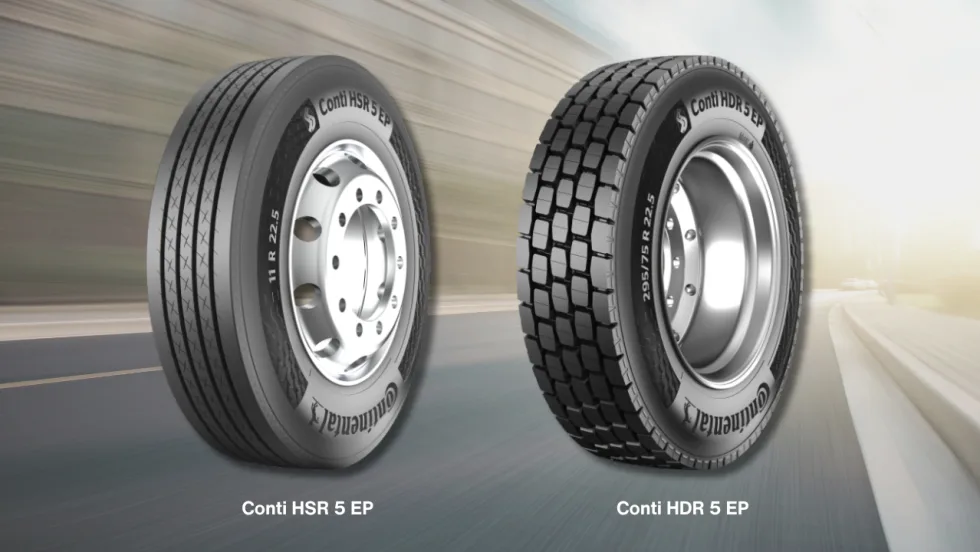
Continental Introduces New Regional Truck Tires
Continental says its new Generation 5 steer and drive tires for regional operations offer longer tread life, with estimated mileage gains of 22% and 19%, respectively.
Read More →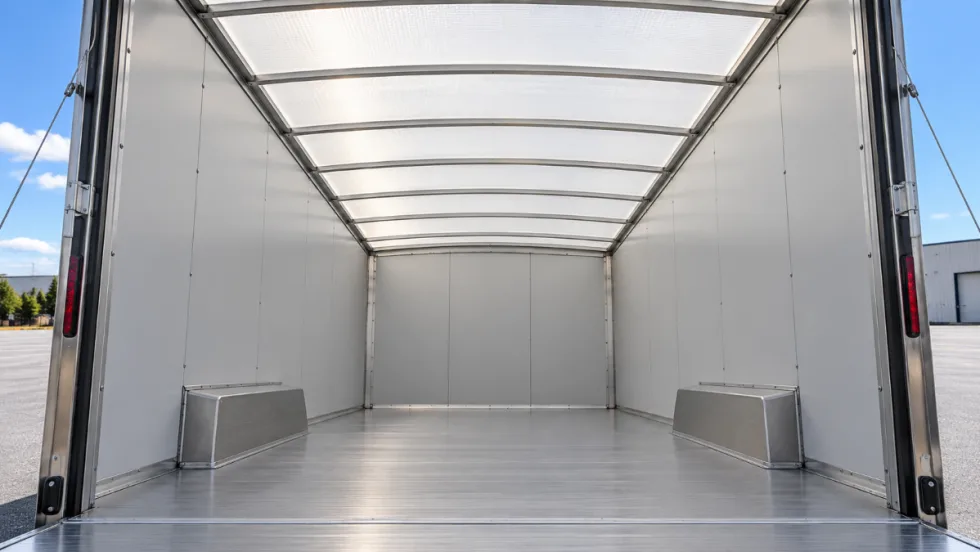
Tekmodo Introduces CargoBright Brand for Translucent Trailer Roofs
CargoBright is designed to diffuse daylight across the cargo area while performing as a working vehicle roof.
Read More →
Fleet Economics Shape Electric Truck Outlook
ACT Research expects costs, charging infrastructure, and technology improvements to drive zero-emission commercial vehicle adoption as federal regulations and incentives retreat.
Read More →
Kodiak Targets Dallas–Houston for Driverless Trucks
The company says its autonomous trucks are completing the I-45 run without a safety observer taking control. It plans to remove the observer by the end of 2026.
Read More →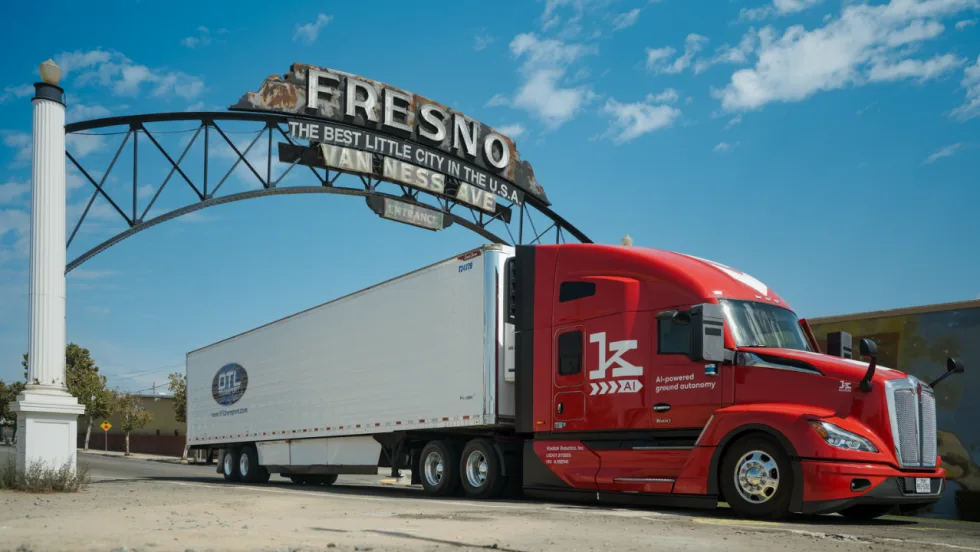
Kodiak Hauls Produce in California Autonomous Truck Pilot
Kodiak AI and DTL Transport have begun hauling produce between Fresno and Los Angeles under California’s new rules for testing heavy-duty autonomous trucks. A safety driver remains behind the wheel.
Read More →
Used-Truck Remarketing Math Is Changing
Used-truck value is no longer just a concern at trade-in. Decisions made throughout a truck’s first life can influence what it’s worth years later.
Read More →
How Volvo Updated Its D13 for EPA 2027 [Watch]
Volvo’s updated D13 promises lower emissions without sacrificing performance or fuel economy. Take a closer look at what changed inside the engine in this HDT Spotlight video.
Read More →
Michelin Tire Improves Efficiency and Durability for Regional Fleets
The Michelin X Multi Energy D2 is a regional haul drive tire engineered to help fleets improve fuel efficiency, durability and traction in demanding stop-and-go operations.
Read More →
ZF Expands Commercial Vehicle Push in North America
ZF is expanding its North American commercial-vehicle presence with new transmission applications, electrification, trailer technology and autonomous-driving systems.
Read More →