





Related: HDT's Top Green Fleets of 2018
Volvo Electric Truck Making Its Way to West Coast
A closer look at the all-electric Class 8 truck that Volvo plans to introduce to the North American market after testing it with two California-based fleets.
November 27, 2018
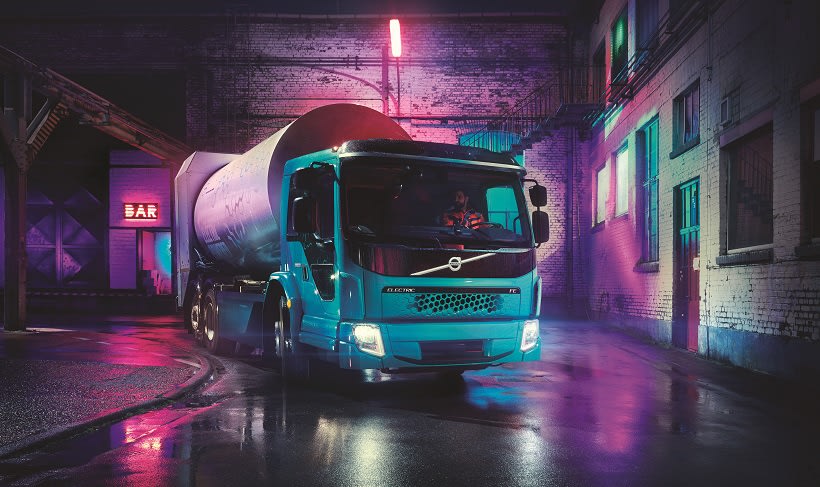
The first Volvo FE Electric, a refuse truck developed together with Europe’s leading refuse collection bodybuilder, Faun, will start operating in the beginning of 2019 in Hamburg, Germany. The underlying technology will be used for a North American truck.
Photos: Volvo Trucks
3 min to read
Volvo Trucks will begin testing an all-electric truck with two California-based fleets in 2019, with plans to bring a truck based on the technology in Volvo’s existing European FE Electric to the North American market by 2020.
The program, Volvo Low Impact Green Heavy Transport Solutions (Volvo LIGHTS), will involve 16 partners and deploy eight multi-configuration, battery-electric Class 8 demonstration units to Dependable Highway Express, a division of Dependable Supply Chain Services, based in Ontario, California, and National Freight Inc. (better known as NFI), at its operations in Chino, California.
“We see BEVs in the short-term future being utilized for drayage and dedicated routes. Since NFI’s expertise is in dedicated contract carriage and drayage, we hope to provide valuable input into the BEV development process,” said Bill Bliem, senior vice president, fleet services, NFI.
Early last year, NFI began exploring the reality of electric-powered Class 8 tractors, particularly for drayage operations. In October 2017, NFI acquired California Cartage Company, one of the largest port drayage companies in the country, expanding its drayage operations. Last November, Bliem and his team met with their primary OEM suppliers and asked to be involved in battery electric vehicle development and testing in exchange for their input.
“Protecting the earth by running zero-emissions vehicles will benefit everyone,” said Bliem. “Once battery costs and weight decrease, BEVs’ total cost of ownership should be at or below the [total cost of ownership] of a diesel tractor. With the subtraction of an internal combustion engine and transmission, the different levels of autonomy can be attained more efficiently as well.”
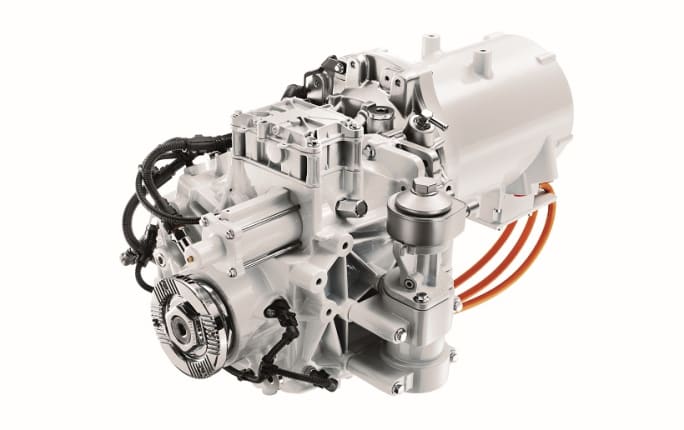
Volvo Trucks plans to develop eight Class 8 electric trucks for use in California with technology based on the FE Electric Truck.
Volvo LIGHTS will also integrate non-truck battery electric equipment, non-proprietary chargers, and solar energy production equipment. The goal is to eliminate an estimated 3.57 tons of air pollutants and 3,020 tons of greenhouse gases annually.
The project is part of California Climate Investments, a statewide initiative that aims to use cap-and-trade dollars to reduce greenhouse gas emissions while strengthening the state’s economy and improving public health and the environment.
“This is an excellent opportunity to show the end-to-end potential of electrification,” said Peter Voorhoeve, president of Volvo Trucks North America. “From solar energy harvesting at our customer locations, to electric vehicle uptime services, to potential second uses for batteries, this project will provide invaluable experience and data for the whole value chain.”
The project will deploy 23 Class 8 Volvo battery-electric trucks and 24 zero-emission forklifts, along with 58 heavy-duty fast chargers and other related equipment, in the California cities of Ontario, Chino, Fontana, and Placentia.
Funding for the demo project comes from the California Air Resources Board, which has preliminarily awarded $44.8 million to the South Coast Air Quality Management District to fund the project.
For part of this project, SCAQMD has a $150 million grant available for the project of not only trucks, but also turning a location to near zero emissions, with solar, electric yard hostlers, electric forklifts, etc., explained Joe Finney, chief operating officer, Dependable Supply Chain Services. “Our new Ontario, California, location, which we built three years ago, is a perfect spot for that development. Our plan is to cover every elevated surface with solar panels, add covered parking for our employees, and cover those with solar, as well as adding additional covered area in the yard.”
DHE will also be adding the infrastructure for charging stations, with power supplied by utility company Southern California Edison, where the fleet parks its equipment.
The first Volvo FE Electric, a refuse truck with a superstructure developed with European refuse collection bodybuilder Faun, will start operating in the beginning of 2019 in Hamburg, Germany. In addition, before the end of 2018, the first two refuse collection trucks in the Volvo FL Electric range will be entering regular operation in Gothenburg, Sweden.
Subscribe to Our Newsletter
More Fuel Smarts
How GP Transco Builds Fuel Savings a Fraction at a Time
Aerodynamic specs, solar panels, and driver incentives help GP Transco turn small efficiency gains into savings it can reinvest in its people.
Read More →
Trucking’s Diesel Squeeze Isn’t Letting Up
With diesel topping $6 a gallon nationally, ATA's Bob Costello explains why fleets should prepare for continued pressure at the pump.
Read More →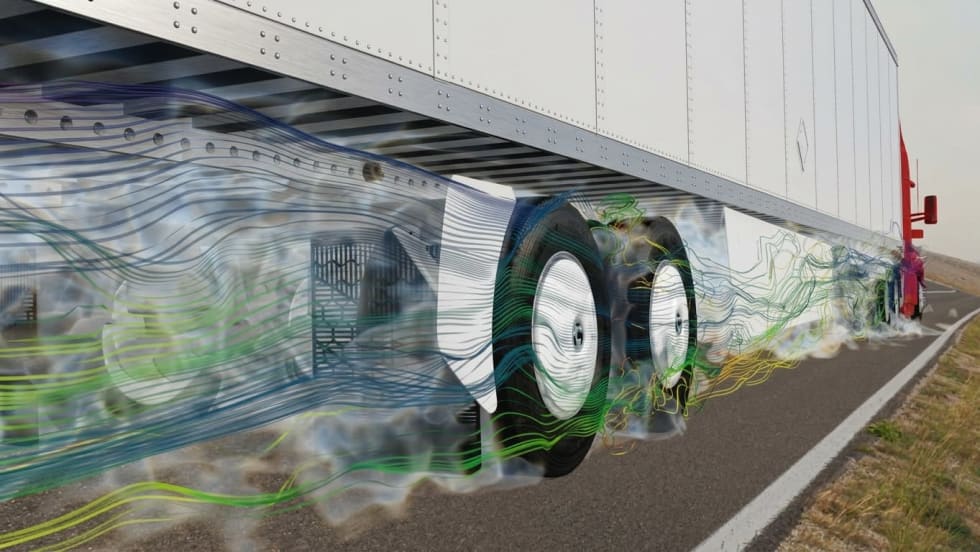
FlowBelow Redesigns Trailer AeroSlider to Cut Fuel Use
The lighter trailer aerodynamic system installs in less than 45 minutes, according to the company, with potential payback in under a year depending on fuel prices and trailer mileage.
Read More →
Why Diesel Price Relief Efforts May Fall Short
Diesel prices have eased from September’s record high, but doubts about additional Russian supply and limits on dyed-diesel tax relief mean trucking fleets still face expensive fuel. And prices could go higher.
Read More →
Why Small Fuel Savings Matter in Trucking
Can better fuel economy help pay for driver raises? In this podcast, GP Transco explains how small efficiency gains create room to reinvest in its people.
Read More →
How GP Transco Cuts Trucking Fuel Costs, a Tenth of a Gallon at a Time
What’s another tenth of a mile per gallon worth? GP Transco shares how equipment upgrades and driver coaching turn small gains into meaningful fuel savings.
Read More →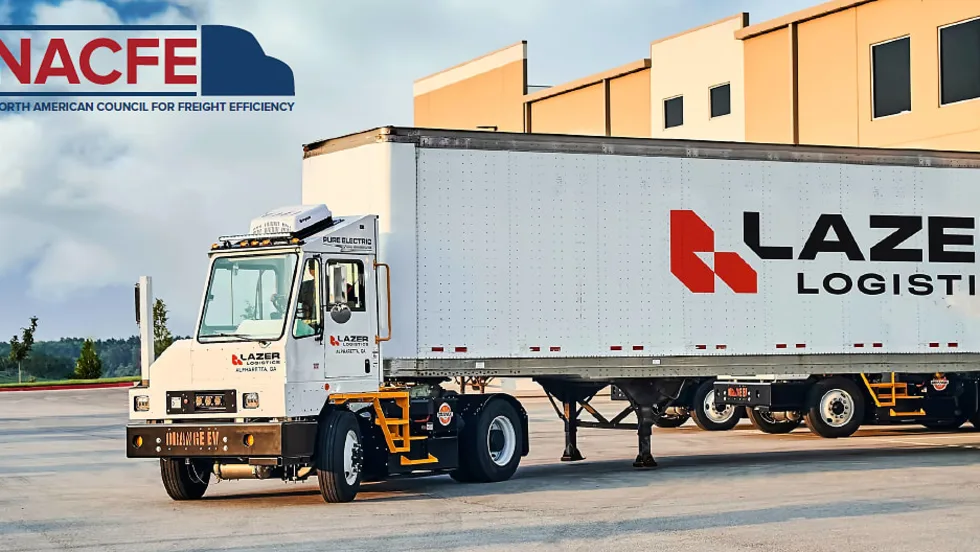
Electric Yard Tractors Move Beyond Pilots
Operating-cost savings have overtaken sustainability goals as the leading reason surveyed fleets are adopting battery-electric terminal tractors, according to new NACFE research.
Read More →
Geotab Links Fleet Card to Vehicle Data
The new card combines fuel discounts with telematics-based purchase controls. Geotab’s analysis also points to potential savings from choosing lower-priced fuel stops.
Read More →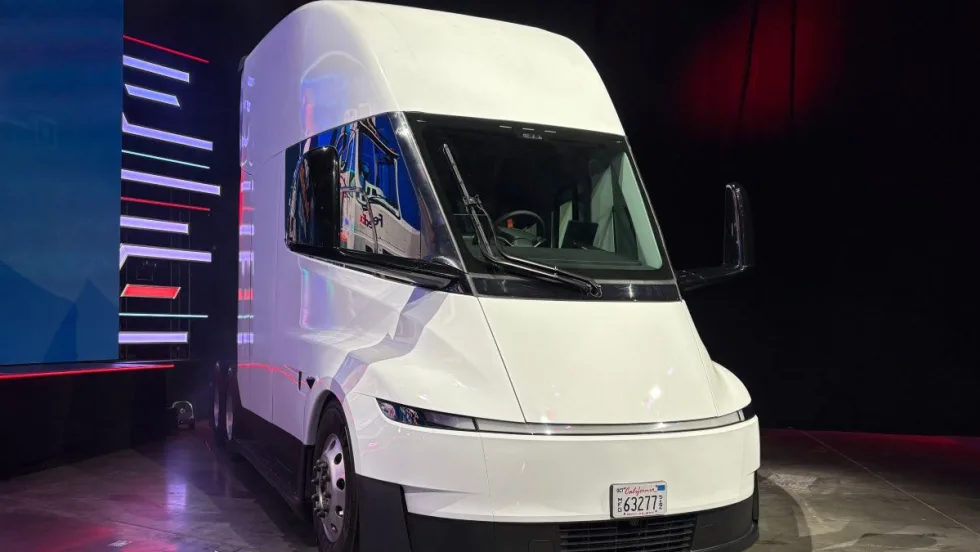
Fleet Economics Shape Electric Truck Outlook
ACT Research expects costs, charging infrastructure, and technology improvements to drive zero-emission commercial vehicle adoption as federal regulations and incentives retreat.
Read More →
Wex Adds Cardless Fuel Payments for Over-the-Road Customers
A new fuel card feature for Wex customers offers convenience and security.
Read More →