





Related – Diversification in Disruptive Times: How Four Fleets are Doing It [Intro]
Fleet Finds Ways to Say 'Yes' to Customer Needs
Part 2: How 4 Fleets are Diversifying in Disruptive Times: Intermodal and dedicated carrier Midwest Cargo Systems grows by showing customers what it can do for them.
February 12, 2020
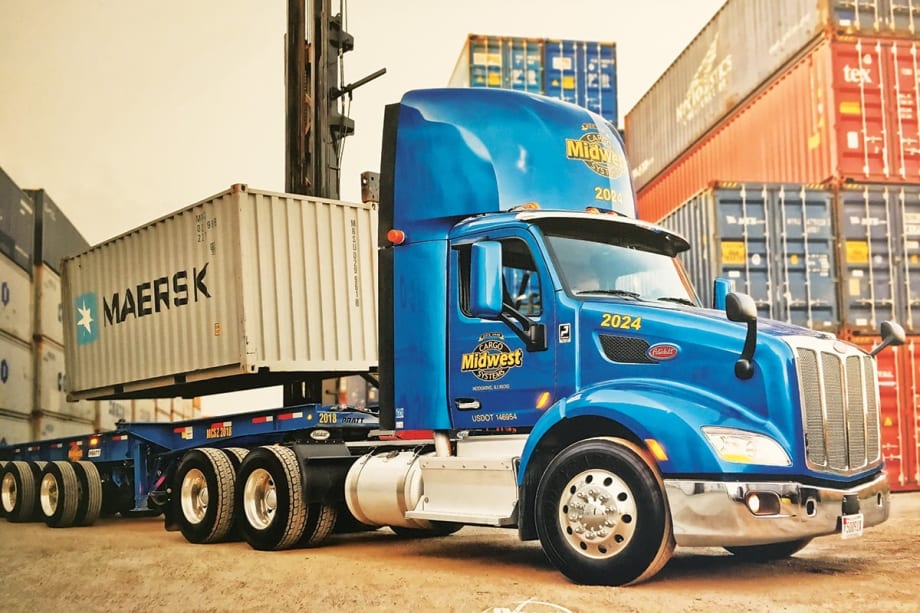
Midwest has diversified by hauling overweight as well as specialized bulk-oil intermodal containers. The fleet also offers a yard-spotting service.
Photo: Midwest Cargo Systems
3 min to read
Editor's note: This is part two of a four-part series looking at how fleets are seeking to diversify their businesses and reach new customers in a time of technological and commercial disruption.
When a trucking company can trace its roots back to the owner’s grandfather delivering ice with a horse-drawn wagon, diversification is in its DNA. “That’s how it started, 80 years ago in Chicago,” says Robert Cunningham, president and owner of successor firm Midwest Cargo Systems. “Next, it was delivering heating oil. Then it was hauling LTL freight and eventually piggyback ‘rail vans,’ before containers came along.”
Today, the Hodgkins, Illinois-based company’s business is drawn from a roughly 50/50 mix of intermodal drayage and dedicated regional carriage. That mix includes a range of specialized services, such as hauling overweight as well as specialized bulk-oil intermodal containers, and a separately offered yard-spotting service.
“We do a lot of intermodal work, and our equipment is set up to be flexible,” says Brandon Denoyer, vice president. “Our 60 drayage day cab tractors carry ‘overweight’ lights for when they are needed and are spec’d with lightweight tri-axles to haul overweight containers without requiring a permit. Shippers are advised to what weight they can load the containers overseas. We feel we’re ahead of the game with this.”
Transporting the bulk oil shipped in from overseas requires hauling special containers engineered with a “bag” inside to hold the oil. Cunningham says the fleet began the bulk-oil work recently and advises that “it has challenges. The bag containers can be awkward to haul; the oil moves inside the bag. But offering this service is a natural progression for us, and our drivers are certified for this work.”
All of Midwest’s 80 drivers are company employees, which Denoyer notes is unusual when it comes to drayage. “But because they are company drivers, we have better control of the operation. We pay them a good wage, and because we have a very consistent customer base, communication with drivers is very good.”
Denoyer says the fleet’s spotting service is “not real unique, but it’s part of the total package. We can provide our seven spotter tractors and CDL drivers on site to make the customer’s life easier.”
“We’re always looking to expand into areas where we can provide our high levels of service,” he continues. “Right now, for example, we’re looking at a new piece of business that will lead to adding 35 reefer trailers to our [over-the-road] fleet of 230 vans.”
Cunningham sees the fleet’s approach as “finding niches. We see the problems our customers have, especially the new ones. Customers have needs and most of the time, we can be creative and hands-on with our solutions.”
Denoyer says Midwest aims to “recognize where we can fill a need for our existing customers. We then gather as much information as possible to tailor our services to them and see where we can be more creative and effective.”
He says that while the fleet is always looking to grow, expansion “never [comes] at the cost of jeopardizing our service level.”
“Our motto is ‘No is our last possible answer,’” Cunningham says. “If a customer has a need, no matter the difficulty, we are determined to find a way to solve their issue.” He adds that many of Midwest’s growth opportunities have come from customers saying, “We have this problem; can you help?”
Subscribe to Our Newsletter
More Fleet Management
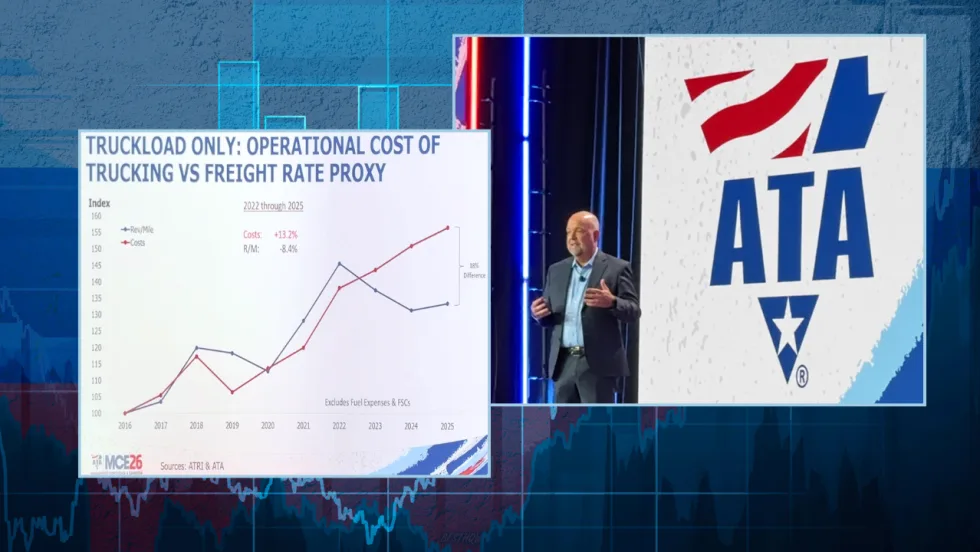
Why This Trucking Recovery Is Different
Freight demand remains sluggish, but rising costs and tougher enforcement have taken enough capacity out of the market to change the outlook for motor carriers.
Read More →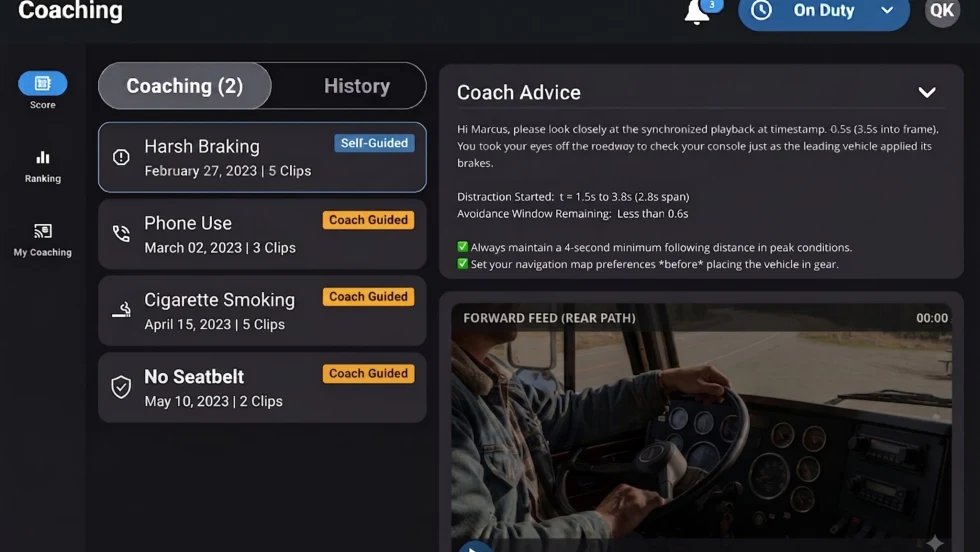
Platform Science Adds Dispatch and Safety Tools
Four additions to PS Fleet help fleets monitor loads, manage driver coaching, share truck locations and adjust video system settings.
Read More →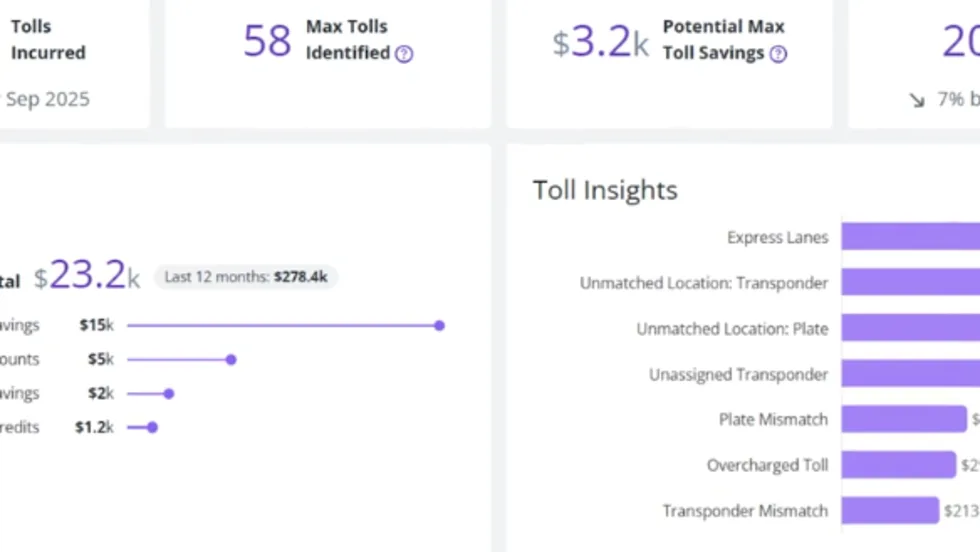
PrePass Intelligence Mines Fleet Bypass, Toll and Safety Data
PrePass Intelligence helps fleets measure bypass savings, flag potential toll overcharges, and spot suspicious transactions by combining data from separate systems.
Read More →
Motive Adds AI Agents for Fleet Operations
New tools automate follow-up on fleet data, from maintenance work orders to driver alerts, with two-way voice conversations planned for later this year.
Read More →
Can You Beat Our Trucking Trivia Challenge?
Test your truck knowledge with 19 trivia questions from Heavy Duty Trucking Exchange. Can you keep up with the fleet pros?
Read More →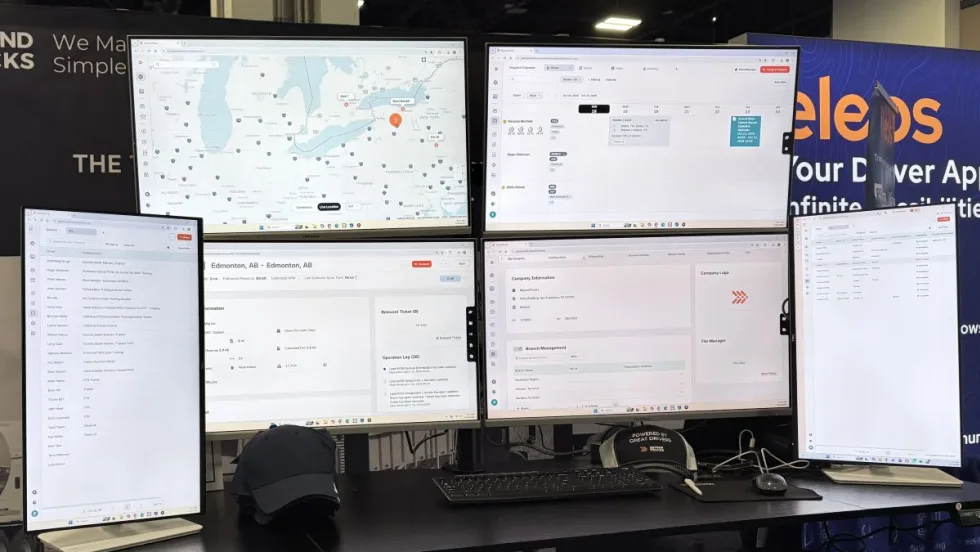
BeyondTrucks Adds Rules Checks to Dispatch
New Compatibility Engine checks driver qualifications, equipment requirements and fleet policies before loads are dispatched.
Read More →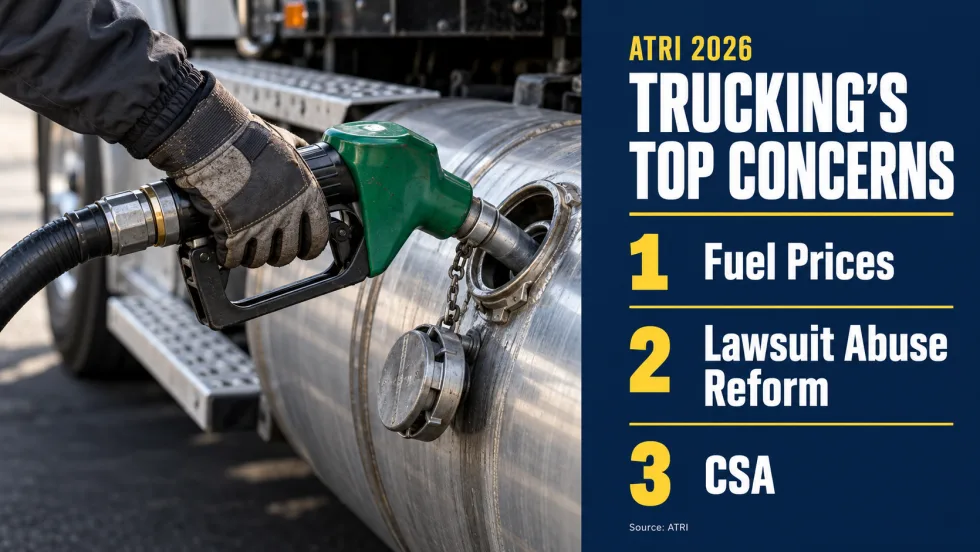
Diesel Prices Hijack Trucking’s Worry List
ATRI’s annual survey finds cautious optimism about freight, but diesel costs, litigation, and insurance continue to squeeze fleets. Drivers have different priorities on several issues.
Read More →
Nomination Deadline Extended for HDT Emerging Leaders
Just a few more days to nominate accomplished trucking fleet professionals under 40 who are making an impact and helping lead the industry forward for the HDT Emerging Leaders award. Deadline extended to October 20!
Read More →
What Will ATA’s New Leader Bring to Trucking's Table?
Incoming President and CEO Mark Colson’s record in Alabama offers clues about his priorities and approach following Chris Spear’s abrupt departure as the head of the American Trucking Associations.
Read More →
Volvo, Waabi Start Commercial Autonomous Operations in Texas
Volvo VNL Autonomous trucks, powered by the Waabi Driver, are hauling freight directly to third-party facilities for a customer in Texas.
Read More →