




Tropicana Puts Peterbilt Hybrids Into Service
Tropicana, a division of PepsiCo, has taken delivery of two new hybrid diesel-electric medium-duty Peterbilt trucks, which service downtown Chicag
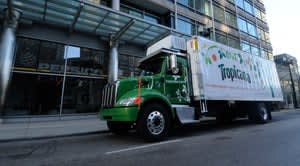
With the new hybrids, Tropicana expects to achieve an additional 35 percent improvement in fuel economy over its diesel-powered trucks.
Tropicana, a division of PepsiCo, has taken delivery of two new hybrid diesel-electric medium-duty Peterbilt trucks, which service downtown Chicago
. The two were placed into service through a full-service lease agreement with Paccar Leasing.
"The hybrid diesel-electric truck is expected to reduce fuel consumption by 35 percent and reduce greenhouse gas emissions by an equal amount," said Olen Hunter, PacLease director of sales and marketing.
The hybrid trucks are equipped with a refrigeration system called Ultra Temp, manufactured by Kidron Body Company. The system allows Tropicana to eliminate emissions and fuel consumption associated with the refrigeration engine, through the use of a hybrid refrigeration system. The system draws power from the truck's powertrain and stores it. Using that stored energy, it maintains ambient temperature in the cargo area within set specifications throughout the delivery route.
Tropicana's direct store delivery unit operates trucks at 22 locations, including Chicago, Denver, Los Angeles, Miami, Phoenix, San Francisco and Seattle. Over the next few years, the PepsiCo unit will continue to replace its older trucks with the more fuel-efficient, environmentally preferable trucks.
Tropicana recently replaced 72 older delivery trucks with Peterbilt medium-duty models, equipped with 260 horsepower Paccar PX-8 engines, and Allison 3000 5-speed transmissions. According to the company, the new trucks are getting 6.75 mpg on average, a 35 percent improvement over the trucks they replaced.
"With the new hybrids, we're very optimistic about getting an additional 35 percent improvement in fuel economy over that of our standard diesel-powered Peterbilts," said Bill Davis, national fleet manager for Tropicana. "Based on numbers we've gotten from Peterbilt and PacLease and on the experience of other companies that have adopted similarly equipped hybrid trucks, we expect to get 10-plus mile per gallon.
"The higher fuel economy and lower carbon emissions will help Tropicana reduce the transportation carbon footprint for the Chicago fleet," Davis said.
Tropicana's leased hybrid trucks are equipped with 300 horsepower Paccar PX-6 engines providing 660 pounds-feet of torque powered through Eaton 6-speed hybrid transmissions. The truck's Eaton diesel-electric hybrid power system integrates a transmission-mounted 60-horsepower electric engine, which can start moving the unit without using the diesel engine. The electric engine assists the diesel engine when the unit needs more torque and power for acceleration. The engine works with a frame-mounted, 340-volt lithium-ion battery pack that recharges every time the unit brakes to reduce speed.
The hybrid system is monitored through an in-dash display. As the power requirements for different driving conditions change, the screen constantly updates the driver on system status.
More Fuel Smarts
Cummins Adjusts 2027 Engine Rollout After EPA Proposal
The engine maker will gradually introduce its new Model Year 2027 diesel engines while continuing to offer current models during the transition, citing the EPA's proposed emissions rule changes.
Read More →
EPA Proposal Could Ease 2027 Truck Costs and Buying Uncertainty
The proposal doesn't change the tougher NOx standard, but it would revise key implementation requirements that manufacturers say have driven up costs and complicated fleet purchasing decisions.
Read More →
Cummins, Paccar Ease DEF Derates After EPA Guidance
Updated diesel engine software gives truck operators more time to address emissions-system issues while staying compliant with EPA emissions standards.
Read More →
Maintenance in the Messy Middle Part 3: Biodiesel
Biodiesel can reduce emissions, improve fuel-system lubricity and use existing diesel infrastructure. But NACFE’s Messy Middle maintenance report says fleets must actively manage storage, cold-weather operation, filters and oil drain intervals to avoid problems.
Read More →
Enhance Fleet Performance with High-Efficiency Auxiliary Power Units
Drive sustainable cost savings while increasing driver comfort during short- and long-haul logistics operations.
Read More →
Maintenance in the ‘Messy Middle’ Part 2: Renewable Diesel Fuel
NACFE's latest Messy Middle Powertrain Service & Maintenance report says renewable diesel gives fleets an opportunity to reduce carbon emissions without changing trucks, fueling infrastructure or maintenance practices. But technicians still need to understand several important operational differences.
Read More →
The Diesel Engine Enters NACFE’s ‘Messy Middle’
NACFE’s new Messy Middle Powertrain Service & Maintenance report says keeping modern diesel engines running now depends as much on software, diagnostics and data as traditional mechanical service.
Read More →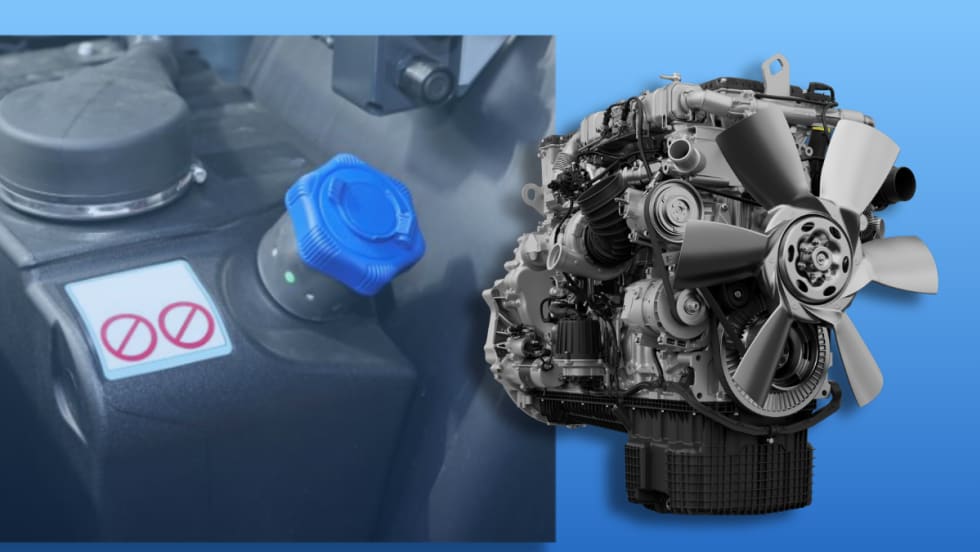
DTNA Software Update Gives Truckers More Time Before DEF Derates Take Effect
The changes reflect EPA guidance aimed at reducing downtime caused by emissions-system faults while maintaining compliance requirements.
Read More →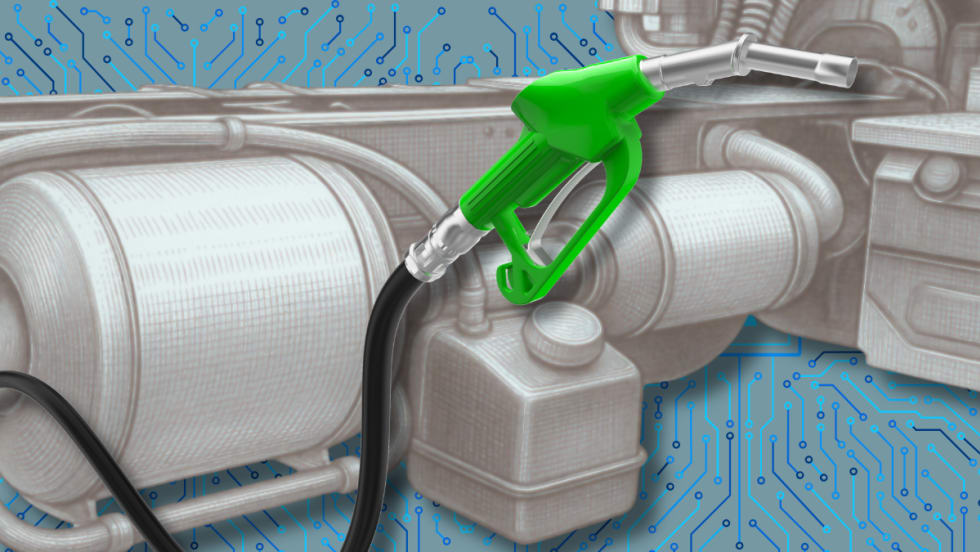
New Agentic Predictive Maintenance Report Demonstrates How Degraded Aftertreatment Systems Waste Fuel
Questar analyzed a large mixed-class fleet and discovered it was wasting as much as $30 in fuel per vehicle, per day, because of mechanically degraded aftertreatment systems.
Read More →
New York City's Microhub Project is Delivering Results
Trucking, last-mile delivery companies, and environmental advocates like what they are seeing so far with New York's microhub program.
Read More →