





Related: FMCSA Schedules Listening Session on Broker Transparency
Trends, Issues Affecting Brokers and 3PLs
Whether you think they are a necessary evil or run a brokerage business yourself, there’s little doubt that freight brokers and third-party logistics providers are an integral part of the transportation and logistics industry.
October 26, 2020

Photo: Gettyimages.com/William_Potter
6 min to read
Whether you think they are a necessary evil or run a brokerage business yourself, there’s little doubt that freight brokers and third-party logistics providers are an integral part of the transportation and logistics industry.
In the first quarter of this year alone, transportation intermediaries handled 1.3 million shipments worth $2.6 million, according to the Transportation Intermediaries Association. We turned to TIA to get an update on the state of the brokerage and third-party logistics business.
TIA represents transportation intermediaries of all disciplines doing business in domestic and international commerce, both large and small. “We have folks that have two or three employees, and we have folks that have thousands,” explained Chris Burroughs, TIA’s vice president of government affairs, in a wide-ranging interview with HDT, along with Interim CEO Doug Clark.
“We’re a huge supporter of trucking, because without trucks, we can’t move our freight,” Clark said. “So there’s never anything that we want to do to mess up that relationship.”
Roller-Coaster Spot Rates
This year has been a roller-coaster for the spot freight market. When the economy shut down in April in an effort to contain the COVID-19 pandemic, the amount of freight being shipped plummeted. That historic drop in demand led to an oversupply of trucks, and rates went through the floor. Some truckers said they were being offered rates that wouldn’t even pay their expenses to move the freight. Many blamed brokers, claiming they were being gouged.
But Clark said brokers don’t set the market; supply and demand does.
“When the COVID hit, we had so many manufacturers that literally shut down. And there was an enormous amount of asset-based trucking companies that were committed to certain shippers.” When many of those shippers shut down, those carriers moved into the spot market for freight, he explained, further adding to the supply-demand imbalance.
Burroughs pointed out that the unprecedented nationwide emergency relief declaration from the Federal Motor Carrier Safety Administration, suspending some regulations, including hours of service, for carriers hauling a broad range of freight designed at COVID-19 “relief,” only made the rate situation worse.
“That created even more artificial capacity in the marketplace, because you have all these carriers that now can run even longer moving these emergency supplies, meaning you’re going to need less trucks to do the job. That artificial capacity was like the cherry on top of the supply and demand concern that we were seeing.”
Many brokers suffered from the drop-off in freight, as well, he said. “There’s no price fixing, there was no price gouging going on by the industry. If you look at the five publicly traded companies out in the space,” such as C.H. Robinson and Echo Global Logistics, “they were all down in terms of margin and they were all down in terms of revenue. They were all furloughing employees. Everyone has felt the pinch, certainly, of COVID.”
As we went to press, the supply-and-demand situation had completely flip-flopped, with high demand and reduced capacity due to a lack of drivers forcing spot market rates to near 2018 levels.
The ‘Transparency’ Complaint
Owner-operators were especially hard-hit by the pandemic-related rate plunge and demanded more transparency into broker transactions, convinced they were being gouged by brokers.
In August, the FMCSA asked for public comment on a proposal to address the transparency of broker rates. The notice was in response to petitions filed by owner-operator groups. These groups complain that carriers, despite regulations that require it, don’t have transparency into what shippers are actually paying brokers, masking price-gouging.
The Owner-Operator Independent Drivers Association said brokers often find ways of avoiding federal regulations (49 C.F.R. 371.3) requiring them to keep records of transactions and make them available to motor carriers. It said broker contracts that waive Part 371.3 requirements are so prevalent that truckers often have no other choice if they want to haul a brokered load.
But the broker perspective is different.
This is “a very, very archaic law,” Clark said.
Burroughs explained that part 371.3 dates back to deregulation. “It was put in place in 1980, at a time when the motor carrier was actually paying the broker the commission. There was a concern about this issue called rebating, where the shipper and the broker had the same ownership or a common interest, and this was essentially kind of like double dipping in the pot.
“The ICC wanted to maintain a free and open marketplace; the last thing they wanted to do was impede what rates could be charged.”
In addition, he said, much of the information the owner-operator groups want access to is proprietary shipper information, which shippers want to keep private.
Clark added, “I have yet to understand what somebody wants with this information. What are they going to do with it if they get it?”
To be sure, Clark and Burroughs acknowledged that there are unscrupulous brokers out there, as there are bad players in any industry. To help protect against such bad players, Clark recommended using a broker that is a TIA member. If a motor carrier has a problem with a TIA member broker, it can file a complaint against that broker through the association, and TIA’s ethics committee will look at those complaints. The association has kicked out members in cases where the ethics committee determined that a carrier’s claim was valid.
The Role of Technology
Smartphones and data have revolutionized the industry, as shippers, carriers, and brokers leverage vast amounts of data in ways never before possible.
For instance, there’s increasing demand among shippers for real-time visibility.
“If Amazon can track my paper clips, why can’t you track my 45,000-pound load of freight?” Clark said.
The visibility into the freight market that technology provides can also be used by motor carriers and owner-operators in their dealings with brokers, Clark said. Today, information from companies such as DAT, Truckstop.com, and various freight-matching apps provides more insight to the market than ever before.
“And some are really, really good at using that information,” he said. An owner-operator or small fleet representative considering taking a load can look at what the market is paying for this type of freight and refuse to take loads that are being offered for significantly less, he said, “because they have data, just like we have data” on the brokerage side. “We have come more to the middle on everyone knowing what the pricing is.”
When asked about new tech entrants into the market that want to revolutionize how freight gets matched with trucks, such as Uber Freight and Convoy, Burroughs said, “it comes down to relationships.” If something goes wrong with a load, he said, “you want that relationship, you want that trust you have with your customer or your broker that you know is reliable. I think there’s obviously going to be a place for these companies. But at the end of the day, it’s not going to be the disrupter that everyone thinks it is.”
While some people have compared freight-matching apps to Netflix taking out Blockbuster video or Amazon’s effect on brick-and-mortar retail, Burroughs said, those were business-to-consumer situations. “If you’re talking about the Uberization of freight, it’s a business-to-business relationship. And it’s just not disrupted in the same way as that of a consumer.”
Subscribe to Our Newsletter
More Fleet Management
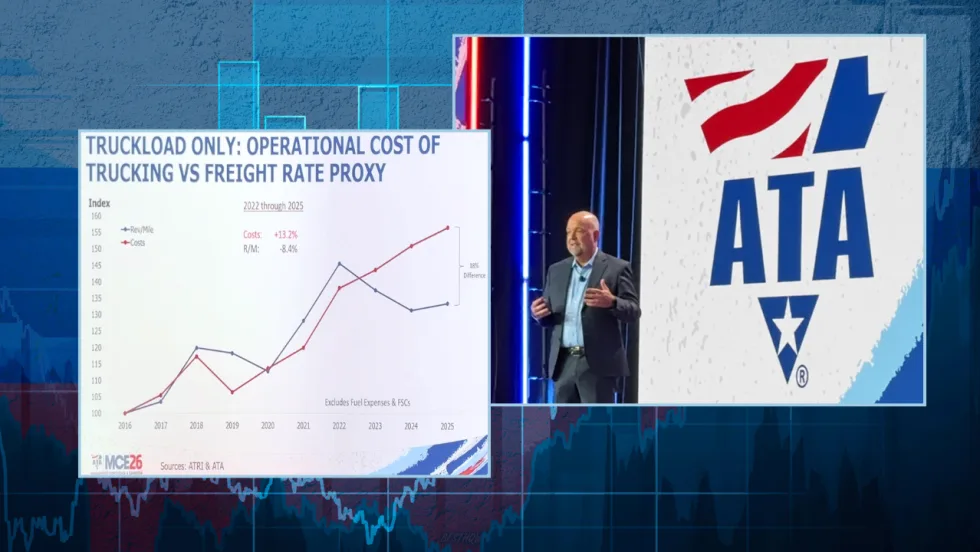
Why This Trucking Recovery Is Different
Freight demand remains sluggish, but rising costs and tougher enforcement have taken enough capacity out of the market to change the outlook for motor carriers.
Read More →
Platform Science Adds Dispatch and Safety Tools
Four additions to PS Fleet help fleets monitor loads, manage driver coaching, share truck locations and adjust video system settings.
Read More →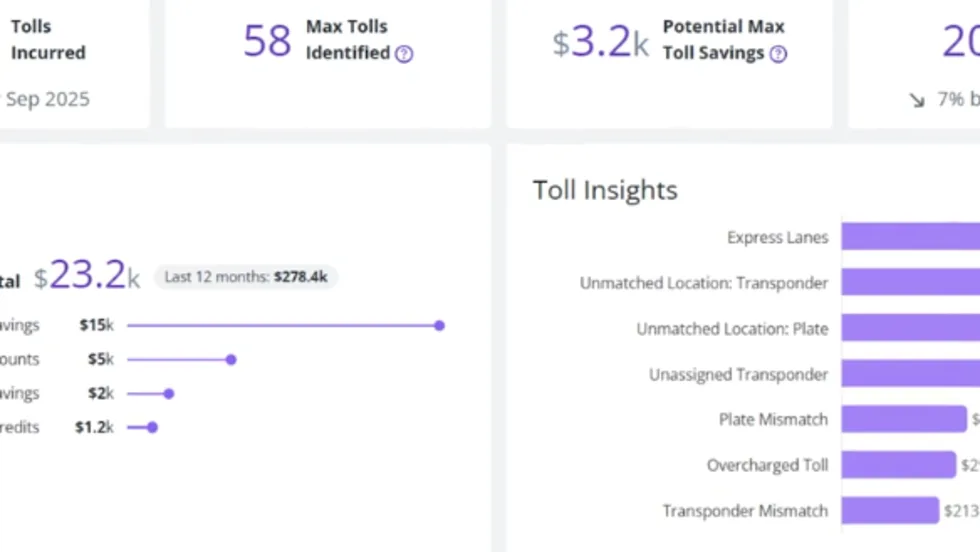
PrePass Intelligence Mines Fleet Bypass, Toll and Safety Data
PrePass Intelligence helps fleets measure bypass savings, flag potential toll overcharges, and spot suspicious transactions by combining data from separate systems.
Read More →
Motive Adds AI Agents for Fleet Operations
New tools automate follow-up on fleet data, from maintenance work orders to driver alerts, with two-way voice conversations planned for later this year.
Read More →
Can You Beat Our Trucking Trivia Challenge?
Test your truck knowledge with 19 trivia questions from Heavy Duty Trucking Exchange. Can you keep up with the fleet pros?
Read More →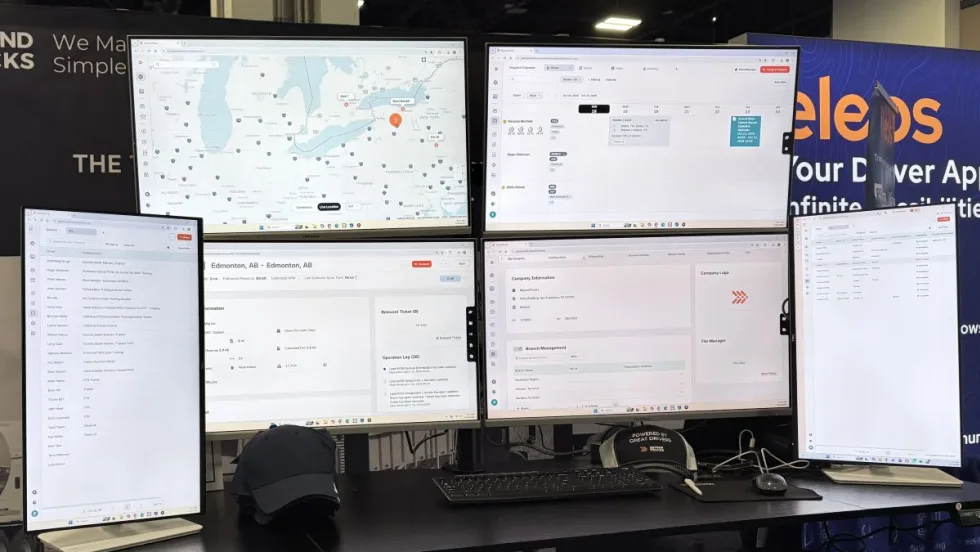
BeyondTrucks Adds Rules Checks to Dispatch
New Compatibility Engine checks driver qualifications, equipment requirements and fleet policies before loads are dispatched.
Read More →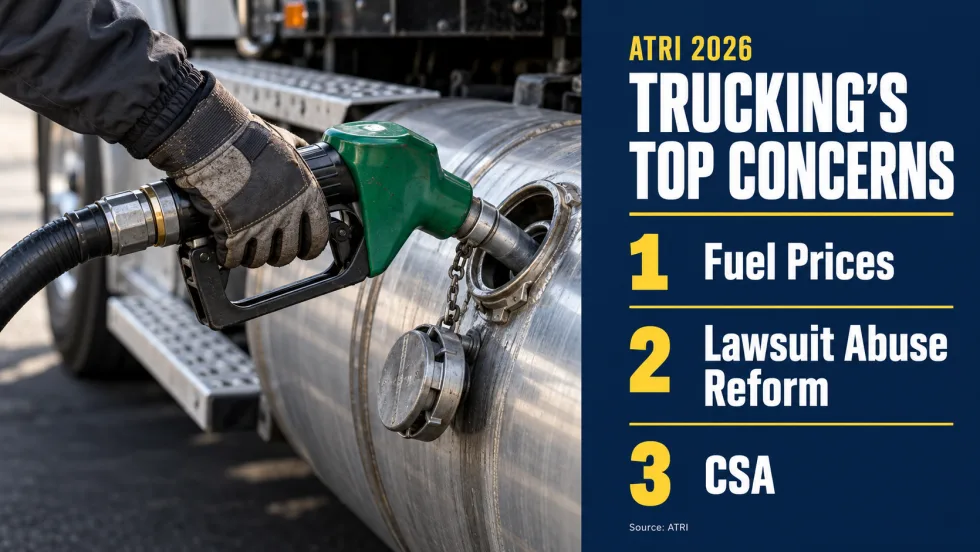
Diesel Prices Hijack Trucking’s Worry List
ATRI’s annual survey finds cautious optimism about freight, but diesel costs, litigation, and insurance continue to squeeze fleets. Drivers have different priorities on several issues.
Read More →
Nomination Deadline Extended for HDT Emerging Leaders
Just a few more days to nominate accomplished trucking fleet professionals under 40 who are making an impact and helping lead the industry forward for the HDT Emerging Leaders award. Deadline extended to October 20!
Read More →
What Will ATA’s New Leader Bring to Trucking's Table?
Incoming President and CEO Mark Colson’s record in Alabama offers clues about his priorities and approach following Chris Spear’s abrupt departure as the head of the American Trucking Associations.
Read More →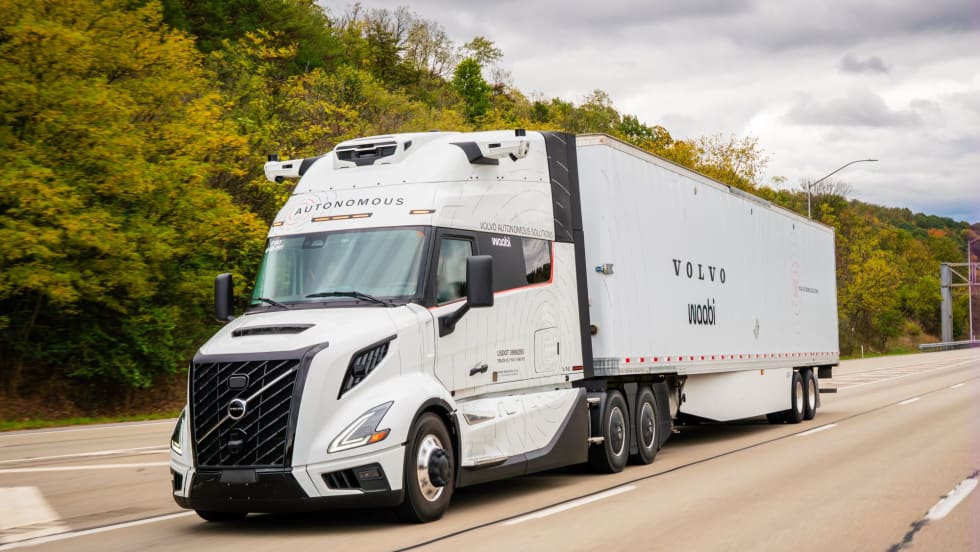
Volvo, Waabi Start Commercial Autonomous Operations in Texas
Volvo VNL Autonomous trucks, powered by the Waabi Driver, are hauling freight directly to third-party facilities for a customer in Texas.
Read More →