




Transplace Offers Fuel Conservation Tips
Transplace, a provider of transportation management services and logistics technology, has developed a list of fuel conservation tips to help carriers and drivers endure rising fuel prices
Transplace, a provider of transportation management services and logistics technology, has developed a list of fuel conservation tips to help carriers and drivers endure rising fuel prices.
Included below are a few highlights from the list.
OTR Driver Fuel Conservation Tips:
• Plan routes through major cities during off-peak hours
• While customer requirements often dictate that deliveries occur during peak hours, supply chain partners should work together to establish flexible shipping and receiving hours to maximize the efficiency of all affected parties.
• Reduce deadhead and empty miles by laying over and waiting on the next closest load, if practical
• Coordinate the most efficient backhaul with your driver managers, rather than running long distances to pick up the next load. This applies your available capacity to the closest load and reduces the total gallons required to reposition for the next pickup.
• Utilize low RPM shifting techniques for maximum fuel conservation. Less fuel is used when changing gears more quickly at lower RPMs, which also reduces long-term wear on engines.
• Ensure all equipment is properly maintained and all air/fuel filters are changed according to the manufacturer's specs
• Instead of trying to save money by lengthening the time interval between service checks, ensure your vehicle is running safely and efficiently by following the manufacturer's specs.
• Eliminate unnecessary equipment/tools/personal effects to reduce total weight on truck
• Remove excess weight from the vehicle, such as TVs, double bunks, etc.
Carrier Fuel Conservation Tips
• Become an EPA SmartWay Transport Partner certified carrier and apply all applicable SmartWay specs for over the road equipment
• By following SmartWay specs (such as in-cab heaters/APUs, low-resistance tires and aerodynamic fairings) as a general rule, you can ensure that fuel-efficiency will be maximized.
• Deploy route optimization software to select routes with fewest impediments such as traffic flows or adverse topography
• Many carriers have the sophistication to use software that will ensure the quickest, and therefore, the most fuel-efficient route. It is vital to utilize this software rather than to rely on out-of-date technology that does not meet the needs of our ongoing national economic hurdles and energy conservation requirements.
• Examine driver incentives and training for fuel efficiency and idle reduction procedures
• Change the mindset of the driver by providing him or her with a reason to practice fuel conservation techniques. If you convince the drivers that their actions will have a direct impact on their paycheck and the success of the company, then they will be more likely to conserve fuel and help the environment.
Through its alliance with Transplace's customer base and SmartWay, an organization that partners freight industry sectors with the U.S. Environment Protection Agency, Transplace is currently developing a Fuel Emergency Kit, which will be a useful set of fuel conservation strategies and tactics that will help make a dramatic impact on reducing the overall cost of fuel to their customers' operations. The emergency kit will be available this summer.
More info: www.transplace.com
More Products
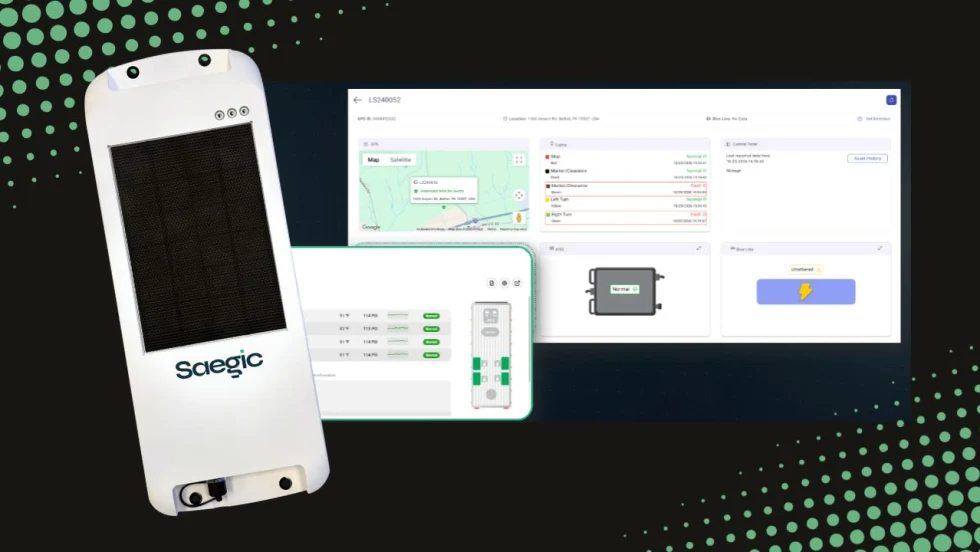
Road Ready Becomes Saegic, Launches New Trailer Telematics Gateway
Clarience Technologies is rolling out new hardware and expanding its plans for connecting trailer telematics, maintenance data, and video.
Read More →
More Trailer Data Through the Same Seven-Way [Video]
Can trucking’s standard seven-way connector handle more cameras and trailer data? Grote’s Adam Slade shows HDT how the company is using new technology with its 4See trailer system, not only to add a new backup camera but also to expand other capabilities — without adding another connection.
Read More →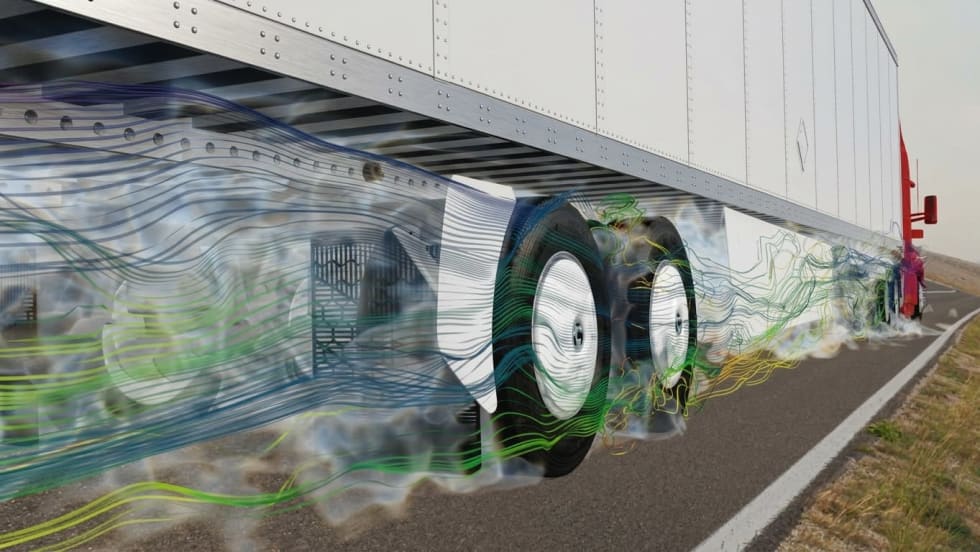
FlowBelow Redesigns Trailer AeroSlider to Cut Fuel Use
The lighter trailer aerodynamic system installs in less than 45 minutes, according to the company, with potential payback in under a year depending on fuel prices and trailer mileage.
Read More →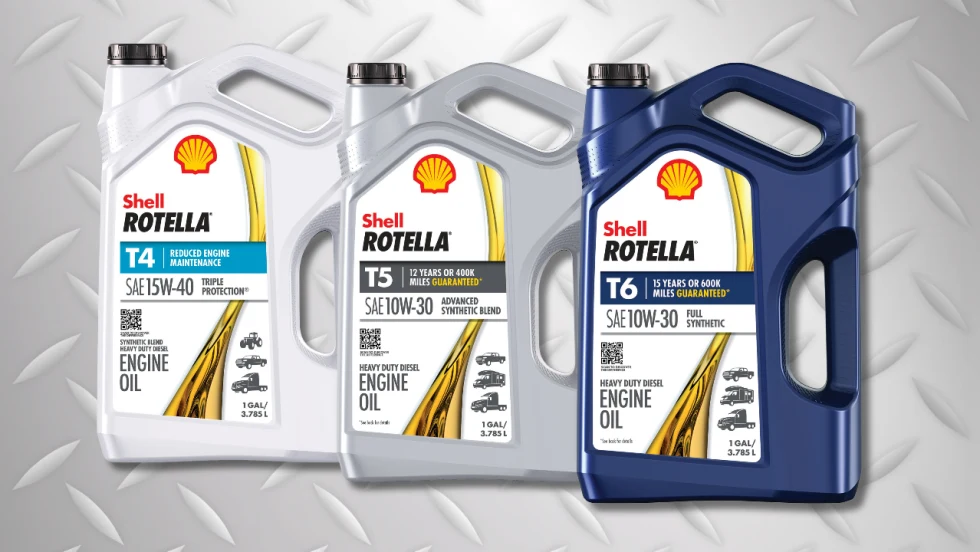
Shell Prepares Rotella Oils for 2027
New CL-4 and FB-4 formulations will begin arriving in early 2027, with improved protection against oil breakdown, wear and deposits, according to Shell.
Read More →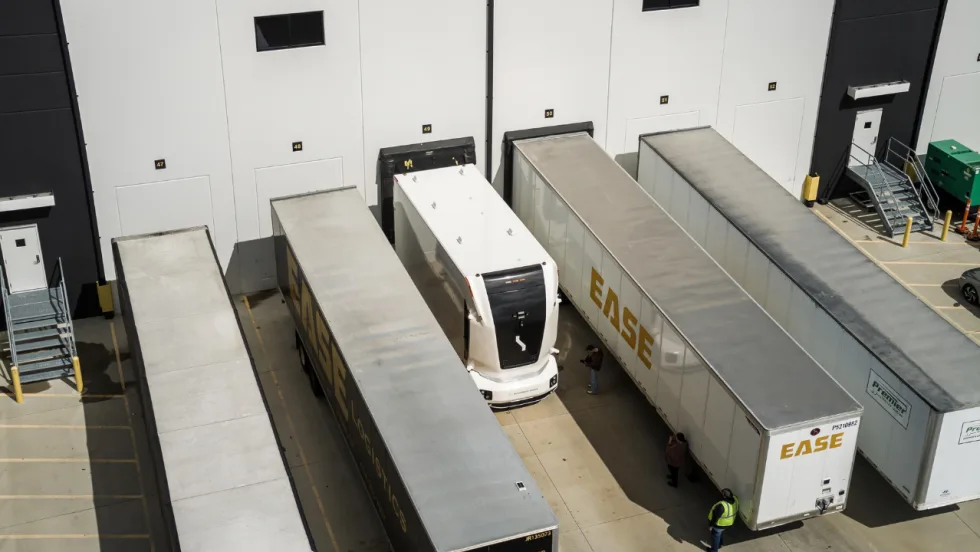
Einride Driverless Electric Trucks Begin Daily Freight Operations in Ohio
Two cabless electric trucks are hauling freight between EASE Logistics facilities in Marysville, Ohio, as part of a multi-state truck automation project.
Read More →
Continental Introduces New Regional Truck Tires
Continental says its new Generation 5 steer and drive tires for regional operations offer longer tread life, with estimated mileage gains of 22% and 19%, respectively.
Read More →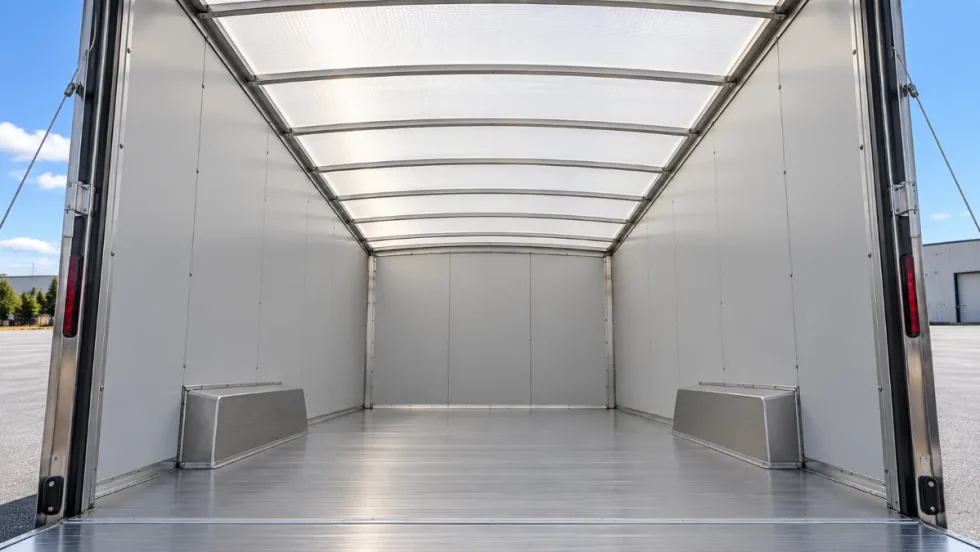
Tekmodo Introduces CargoBright Brand for Translucent Trailer Roofs
CargoBright is designed to diffuse daylight across the cargo area while performing as a working vehicle roof.
Read More →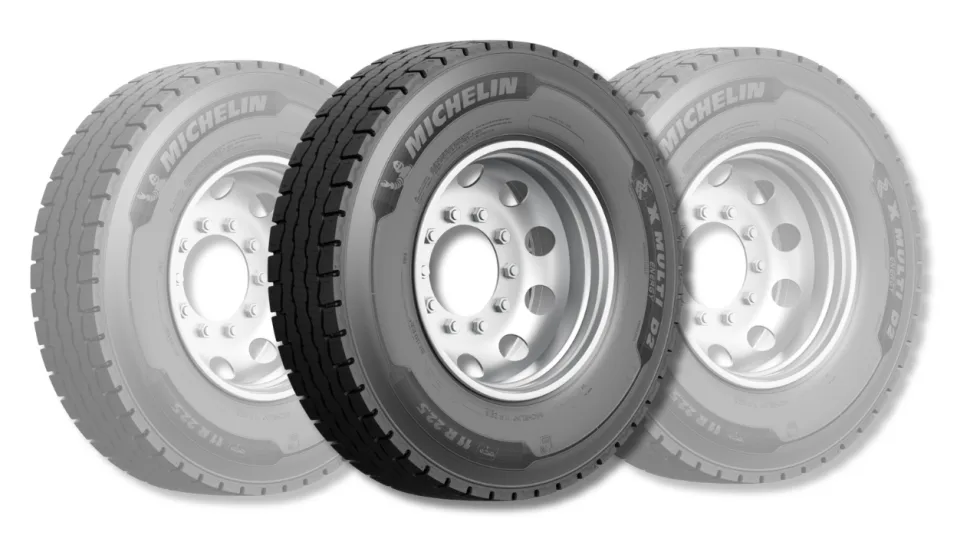
Michelin Tire Improves Efficiency and Durability for Regional Fleets
The Michelin X Multi Energy D2 is a regional haul drive tire engineered to help fleets improve fuel efficiency, durability and traction in demanding stop-and-go operations.
Read More →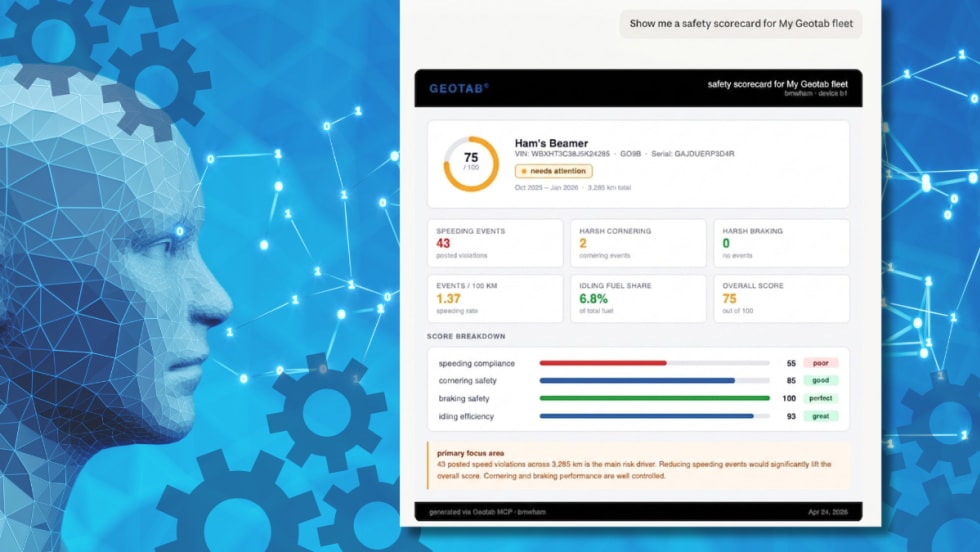
What Geotab's New AI Connector Means for Fleets
Fleets can now ask their usual AI assistants questions about maintenance, safety, fuel use, and vehicle performance, using their live Geotab data, and take action on the answers without leaving their preferred AI tool.
Read More →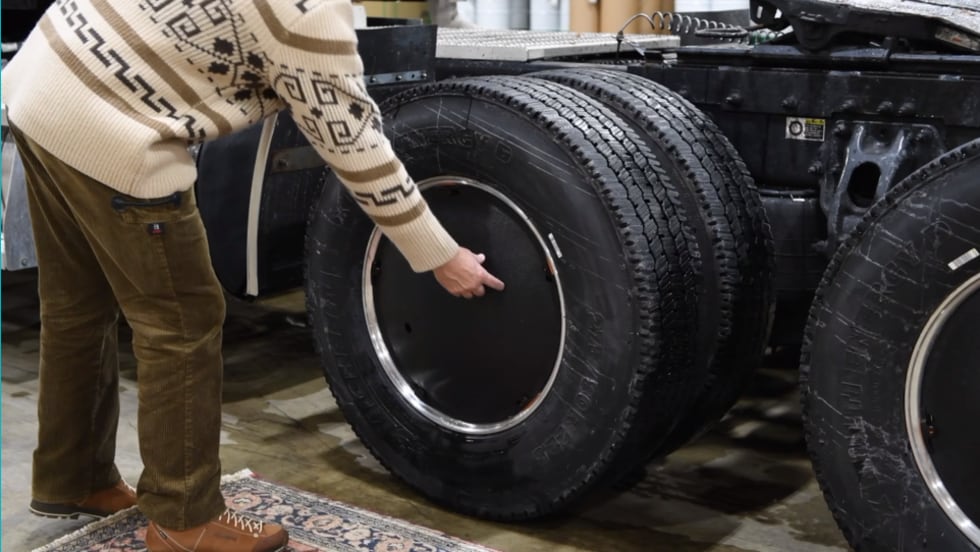
Deflecktor: Hubbub Aerodynamic Wheel Cover Cost-Effective Even for Trailers
Aerodynamic wheel covers can deliver small but meaningful fuel-economy gains for fleets, and Deflecktor says its latest design aims to make the technology easier and more affordable to deploy.
Read More →