




Top Dealers Talk about 2010 Engines
So far, the new engines built to meet the Environmental Protection Agency's 2010 emissions mandate are performing far better than their EPA-2007 predecessors. That was the consensus of this year's nominees for the American Truck Dealers/Heavy Duty Trucking Truck Dealer of the Year
So far, the new engines built to meet the Environmental Protection Agency's 2010 emissions mandate are performing far better than their EPA-2007 predecessors. That was the consensus of this year's nominees for the American Truck Dealers/Heavy Duty Trucking Truck Dealer of the Year.
Terry Dotson, president, chairman and CEO of Prestonburg, Ky.-basedWorldwide Equipment Enterprises, puts it bluntly: "2010 engines work. The others that were built in '07 didn't. I'm just glad we didn't make any more of them than we did, because we're all going to have to worry with those for the next few years."
Tim Reilly, dealer principal and president of Miami Valley International in Dayton, Ohio, has seen much the same with his company's lease fleet of nearly 700 units.
"I think with every emissions change, the early engines are in many ways are beta type engines, so you encounter a number of issues, but we've seen constant improvement from launch time until today."
John Arscott, president and CEO of The Pete Store in Baltimore, Md., says the 2010 engines are definitely more reliable. "Certainly new technology has problems, but not nearly the magnitude of the previous one," he says. "We're seeing a pretty reliable product - which is great, because I felt really bad for some customers."
Trey J. Mytty, president & CEO of Omaha Truck Center, Omaha, Neb., notes that "people are happy with them. It's an improved product, in my opinion, over the previous engine. I don't think they run nearly as hot, which is helping with breakdowns, and on the other hand we're seeing improved fuel economy."
Brent Leach, president of Custom Truck Sales in Regina, Saskatchewan, Canada, says "from our standpoint, it's been a good transition. I think the 2007 emissions cycles was rough for everyone. I took some time to work out the bugs. I think the 2010 has gone over with a lot less issues, and reliability with the engines has been quite good." He says they've "seen really good results" with the new Paccar engines.
That's not to say there aren't still some hiccups. Dotson says all the changes in the engines and the affiliated changes in the chassis have meant a lot of new and different parts. When a lot of those are being made offshore, he says, that makes it more difficult to respond rapidly to changes in demand.
Similarly, Reilly said that with the newer engines, as the manufacturers continue to tweak them, some of the parts are actually changing. "So that puts increased pressure on the aftermarket side to be able to stock those things that are new at the plant level."
Some also commented that while there's a benefit in being able to plug into today's computerized engines and be able to have an expert at the OE level help figure out the problem, at the same time, that can lead to delays in repairs.
Steve Bassett, president of General Truck sales, Muncie, Ind., says "the increased technology requires more OEM input to effectively implement repairs, as opposed to the old days when those decisions were made on the shop floor. It's a plus and a minus at the same time. We have better ability to diagnose the higher tech product we've got, but at the same time, those decisions are having to be made through other people in some cases, so it slows the process down."
While news about better reliability may help persuade customers to buy, it's hard to get past the sticker shock of trucks with the latest engines, Reilly says, "but we're starting to get some traction on the truck sales side. We're looking forward to a very good 2012."
The company has spent a lot of time in the past couple of years educating customers about the new International MaxxForce engines, he says, including "bringing in some experts from Navistar to help demonstrate it's not smoke and mirrors."
The complexity of the trucks also is leading more of MVI's locally based customers to consider leasing instead of owning, Reilly says.
At General Truck Sales, which sells Volvo and Isuzu, Bassett says EPA-2010 sales were very strong in 2011 and it looks like it's continuing into 2012. "We've seen repeat 2010 engine customers already. We think the improvement in the fuel economy is having an impact on their decision-making process."
(The ATD/HDT Truck Dealer of the Year will be announced this weekend during the ATD convention in Las Vegas. Watch for a special supplement in the February issue of HDT.)
More Equipment

EPA Proposal Could Ease 2027 Truck Costs and Buying Uncertainty
The proposal doesn't change the tougher NOx standard, but it would revise key implementation requirements that manufacturers say have driven up costs and complicated fleet purchasing decisions.
Read More →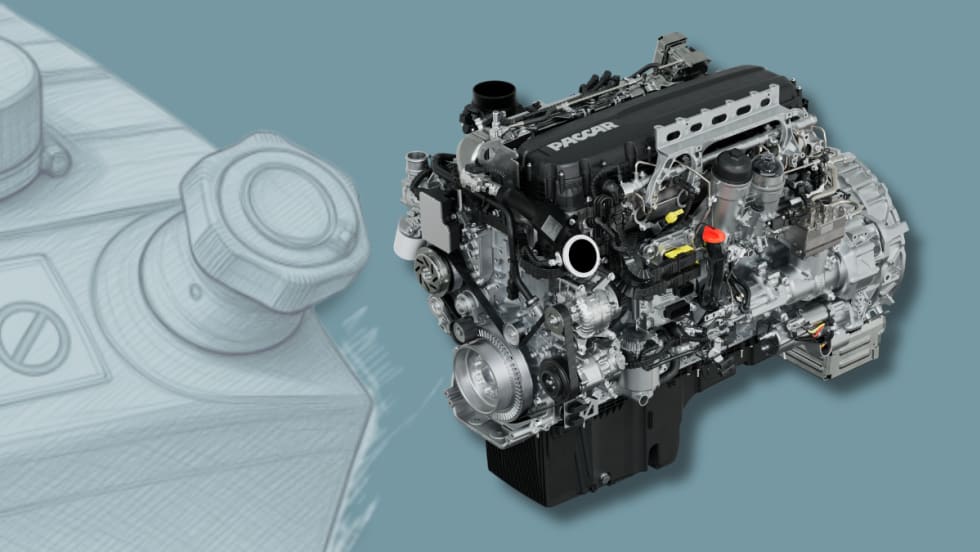
Cummins, Paccar Ease DEF Derates After EPA Guidance
Updated diesel engine software gives truck operators more time to address emissions-system issues while staying compliant with EPA emissions standards.
Read More →
America at 250: How the Truck Helped Connect a Continent
America was founded on revolutionary ideas, but it was built by movement. For 250 years, the nation has depended on ever-better ways to move people, products, and prosperity across a vast continent. No machine has carried that mission further — or more faithfully — than the truck.
Read More →
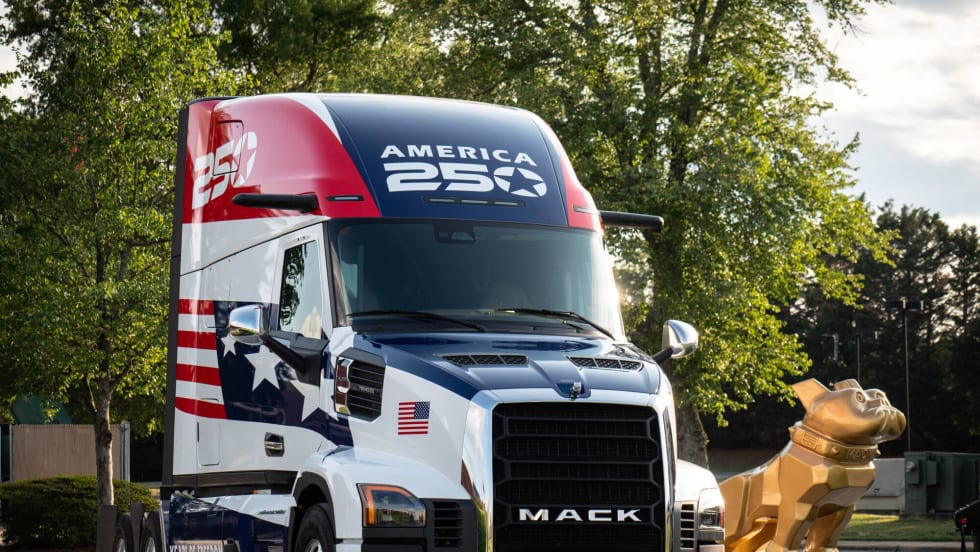
Mack Unveils America 250 Tribute Truck to Celebrate Nation's Semiquincentennial
Just in time for the Fourth of July! Mack unveils a brand-new patriotic, limited-edition, red, white, and blue truck wrap.
Read More →
Enhance Fleet Performance with High-Efficiency Auxiliary Power Units
Drive sustainable cost savings while increasing driver comfort during short- and long-haul logistics operations.
Read More →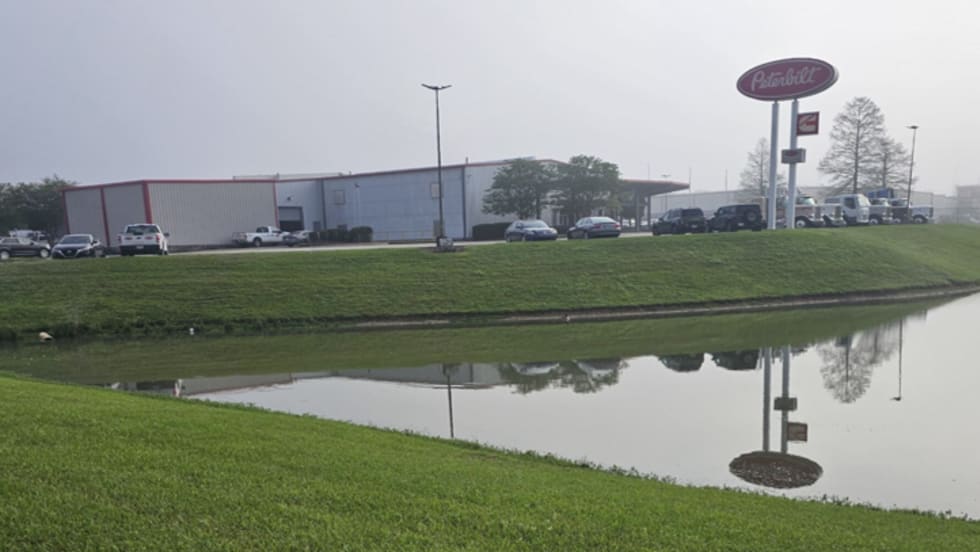
Rush Expands Gulf Coast Peterbilt Network With Louisiana Acquisition
The expanded Rush network gives fleets additional sales, service, leasing and collision repair support across Louisiana's major trucking markets.
Read More →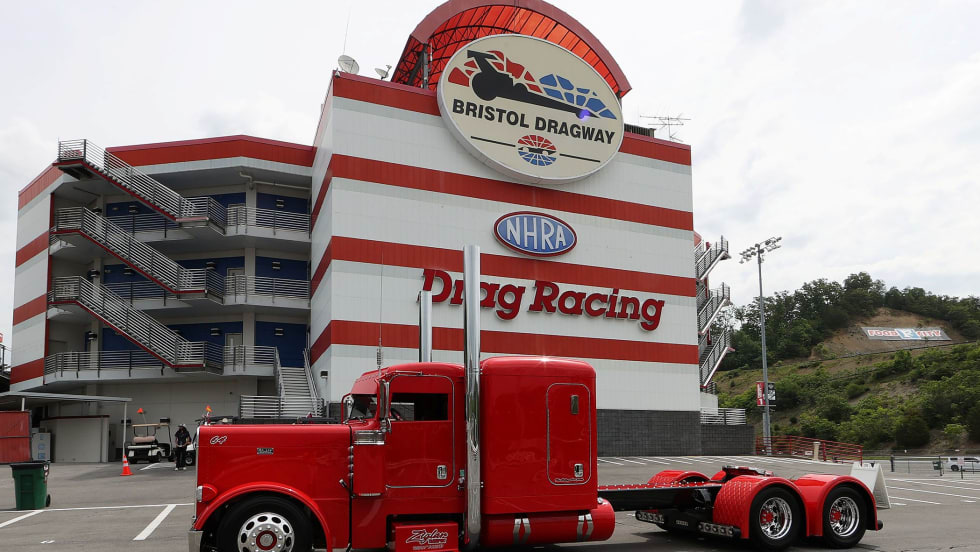
Photos: Shell SuperRigs Light Up Bristol Tennessee
Kenny Ziglar II of Rawlins, Wyo., captured Best of Show honors for the second consecutive year with his 2007 Peterbilt 379, nicknamed “Scrapin By,” at the 44th Annual Shell Rotella SuperRigs competition held June 25-27 at Bristol Motor Speedway in Bristol, Tenn.
Read More →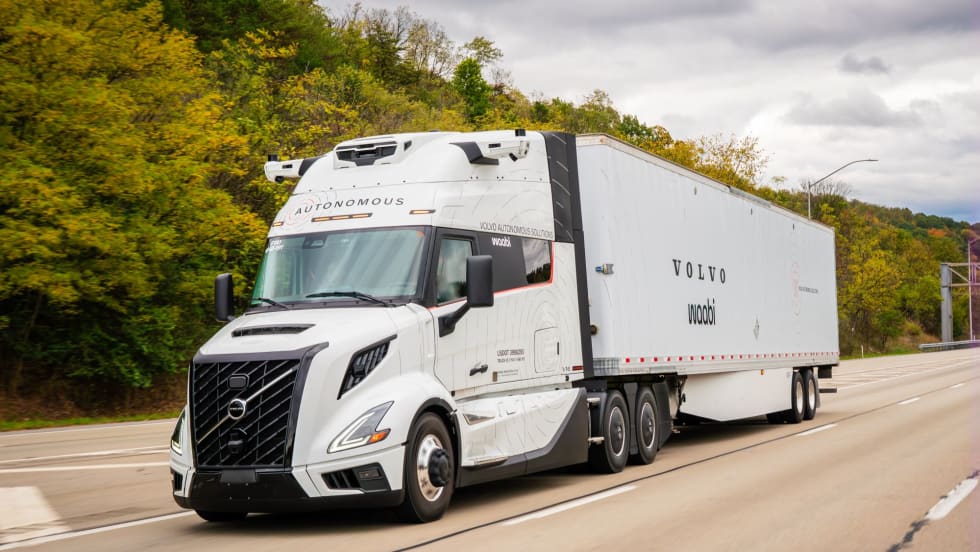
Waabi, Volvo Claim Breakthrough in Scaling Autonomous Trucking
Waabi says its AI-powered virtual driver successfully transferred to Volvo Autonomous Solutions' Volvo VNL Autonomous platform without retraining or additional data, a milestone the companies say could dramatically accelerate commercialization of autonomous trucks.
Read More →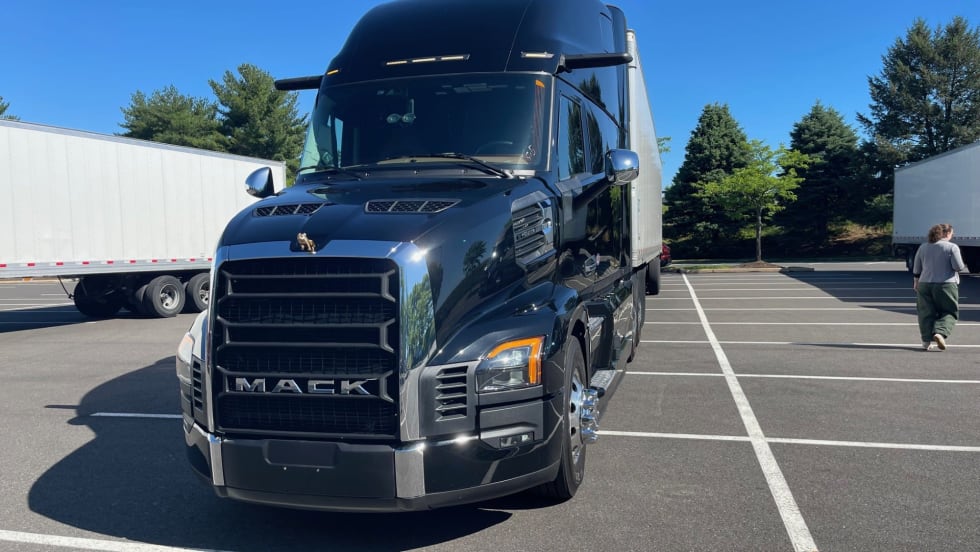
Why the Mack Pioneer Signals a New Era in Class 8 Truck Design
After a public-road drive through eastern Pennsylvania, one thing became clear: Mack's new Pioneer isn't simply packed with technology -- it's been engineered around the driver in ways that could redefine long-haul trucking.
Read More →
Mack Defense Secures $47 Million to Continue Military Dump Truck Production
President Trump visited Mack Defense’s Macungie, Pennsylvania, facility on June 23 to tout a $47 million Heavy Dump Truck order.
Read More →