




Tire Report: On/Off highway Tires Severe Service Stresses
One of the toughest conditions imaginable for a truck is oil field work. These trucks haul salty water back to the same drilling sites, where it is pumped into the drill shaft to mix with chemicals for cleaning and to help the drill grind deeper into the ground.

One of the toughest conditions imaginable for a truck is oil field work. Just ask Damon Briet of American Tank Service, whose trucks work near Hays, Kan. Seven days a week, around the clock, his trucks move brackish water from collector tanks at oil sites to special disposal sites where it is pumped back into the ground, away from the water table and vegetation. These trucks also haul salty water back to the same drilling sites, where it is pumped into the drill shaft to mix with chemicals for cleaning and to help the drill grind deeper into the ground.
The problem for Briet's company isn't what it hauls, but where it hauls. Many of the miles are driven over bone-jarring, frame-rattling terrain - country roads so ragged with potholes and rocks that they cannot be graded. Such punishing conditions call for more than just your average truck tire. That's where tires specifically designed for severe service enter the picture.
Typically, when you're talking about severe service applications and tires, you're looking at a tire designed for on/off-highway use. Michelin says tires used in these applications experience the highest amount of application stress and surface aggression. Application stress describes the degree of stresses placed on a tire during its normal operation. A tire that is constantly stopping and starting and twisting and turning has a high degree of application stress. Surface aggression describes the conditions of the road on which the tires operate. Tires that travel on unpaved roads or rocky areas experience a high amount of this.
The biggest differences between on-highway tires and those for severe service or on/off-highway use are the belt package and the tread. The belt package for these tires is more flexible, allowing the tire to better adjust to the demanding conditions, keeping the tires' footprint on the ground and enveloping objects instead of just hitting them.
On-highway tires, on the other hand, use less flexible belt designs for better wear and less rolling resistance. Put an on-highway tire on a truck going off road, and all that stiffness is a resistance to uneven surfaces and objects, shortening tread life. "The tire is just brutalized," says Guy Walenga, director of engineering, commercial products and technologies for Bridgestone Firestone. Conversely, the flexible off-highway design does not survive on-highway - it wears out very quickly.
"Tread design and compounding for the severe service or mixed service tires tends to be more designed toward cut- and chip-resistance," Walenga says, "because in many applications, you will see a lot of stones and other debris, and you want the tread to be able to survive in such conditions and not cut all the way through to the steel." This also allows you to still have a casing that's retreadable.
In the case of American Tank Service, Briet runs Goodyear severe service or mixed service tires. "We're getting 55,000 to 60,000 miles on our drive tires, which is exceptionally good considering the terrain." Briet also notes traction is a major issue in working in oil fields, adding, "If you have worn tires, you'll get flats, but if your tires are good, you can work with confidence."
Even if the trucks in your fleet are off-road just a fraction of the time compared to the time they are on-highway, tires for severe or mixed applications may be better for you. For example, trucks involved in the refuse business, which do a majority of their work on improved roads, have to go off road to a dumping site, unless the trash is taken to a transfer station via paved roads. Even this small amount of time can be especially hard on tires, necessitating the use of on/off highway tires. These tires also experience a high degree of scrub when they are used on improved roads, making severe service tires even more ideal because of their increased durability.
Another reason for using these tires is that the thinking behind them has changed. Walenga says in the past, on/off-highway tires were designed for a truck that was spending maybe 20 percent of its time on the highway and 80 percent off. Today, however, there are severe service tires designed for trucks that have the opposite type of operating conditions, with maybe 10 percent off road and 90 percent on highway.
"We are just really taking a more critical look at it in the last five years or so," Walenga says. "Even though we call it an on/off-highway tire, a truck will spend most of its time transiting to a worksite or to a place where they will have to roll off-road and operate off-road and then come back to an improved surface. So we are compounding more and more for improved highway mileage, but we still don't want to give up the cut and chip resistance, traction, flexibility and durability of the overall casing."
Once you've spec'd the right on/off-road tires, don't make the mistake of waiting too long to pull them. While federal law allows you to take your drive tires down to 2/32, that's too low. Debris hitting a tire with very little tread could result in chips and cuts all the way down to the steel, allowing moisture to get in and attack the casing. Some experts say you're better advised to pull at 6/32. Doing this allows you to have a casing that can be retreaded, possibly multiple times. This not only saves money, but also allows you to choose from treads that may be even better suited to your operation. Retreaders, because they're not constrained by the need to cure casing and tread together, have developed treads designed for very specific, even niche, applications.
More Equipment
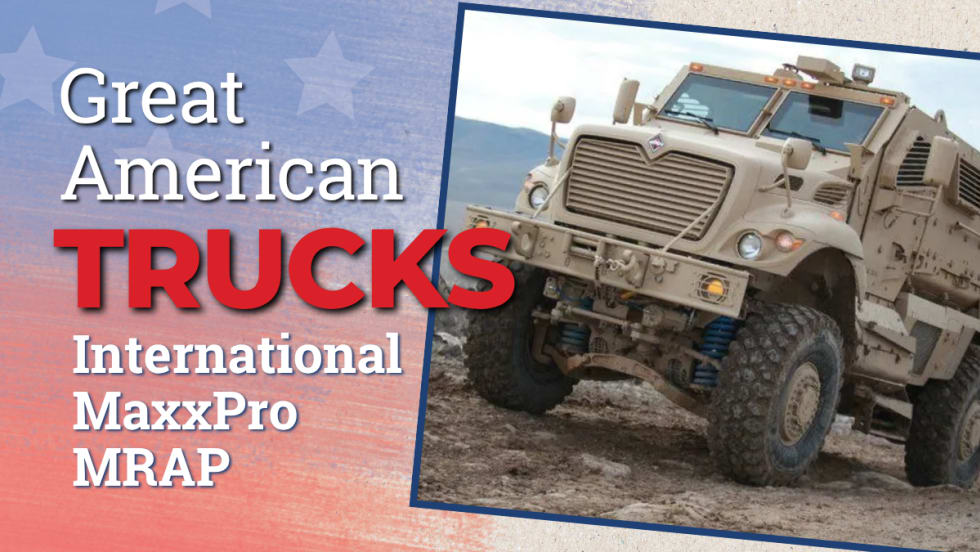
Great American Trucks: The International MaxxPro MRAP
Built from an International WorkStar chassis and powered by a MaxxForce diesel, the MaxxPro MRAP became one of the most important military trucks of the Iraq War era.
Read More →
New Mack Granite Cab Puts Driver Comfort Front and Center
Mack’s next-generation vocational truck features a roomier cab, premium seating, advanced steering technology, and a driver-focused interior designed with direct input from professional operators.
Read More →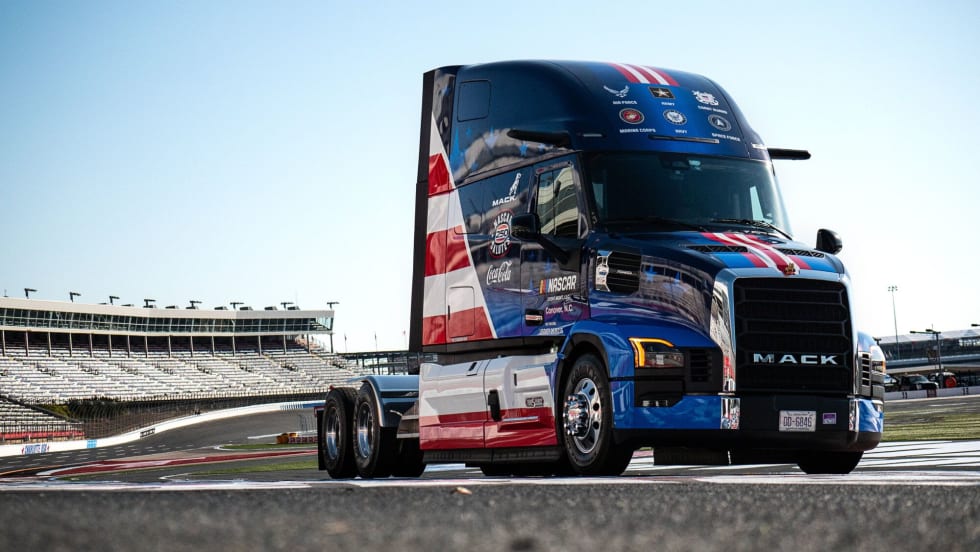
Mack Unveils Fan-Selected Patriotic NASCAR Pioneer Wraps
Racing fans picked the patriotic design now featured on three Mack Pioneer trucks hauling NASCAR equipment across the country during the 2026 season.
Read More →
Michelin Expands X Line Grip D Tire Line
Michelin is expanding its X Line Grip D drive tire lineup with a new pre-mold retread and additional sizes, building on what the company says is strong fleet adoption of the tire's traction, mileage, and fuel-efficiency benefits.
Read More →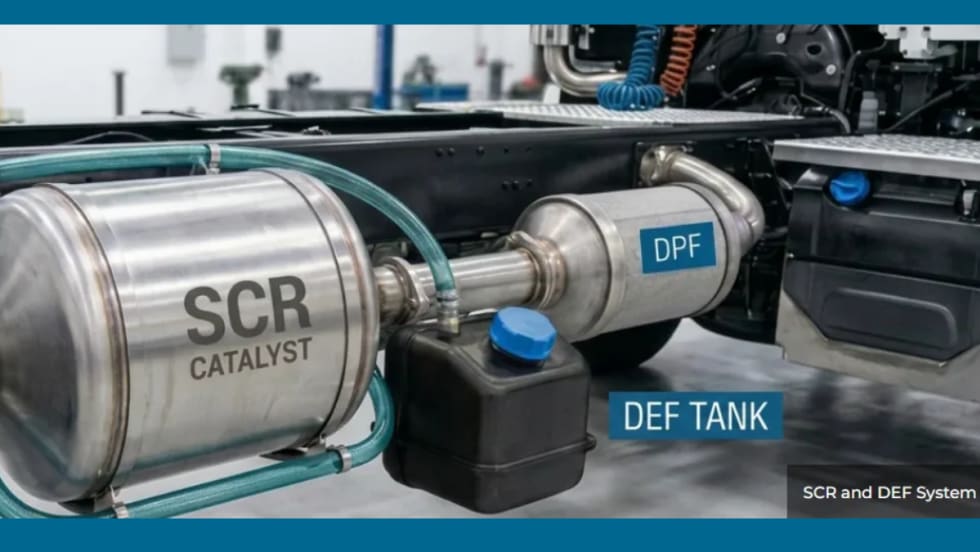
Engine Technology Forum Launches SCR, DEF Resource Center Amid Emissions Debate
The Engine Technology Forum’s new online hub aims to provide fleets, policymakers, and equipment owners with fact-based information about selective catalytic reduction technology, diesel exhaust fluid and emissions compliance.
Read More →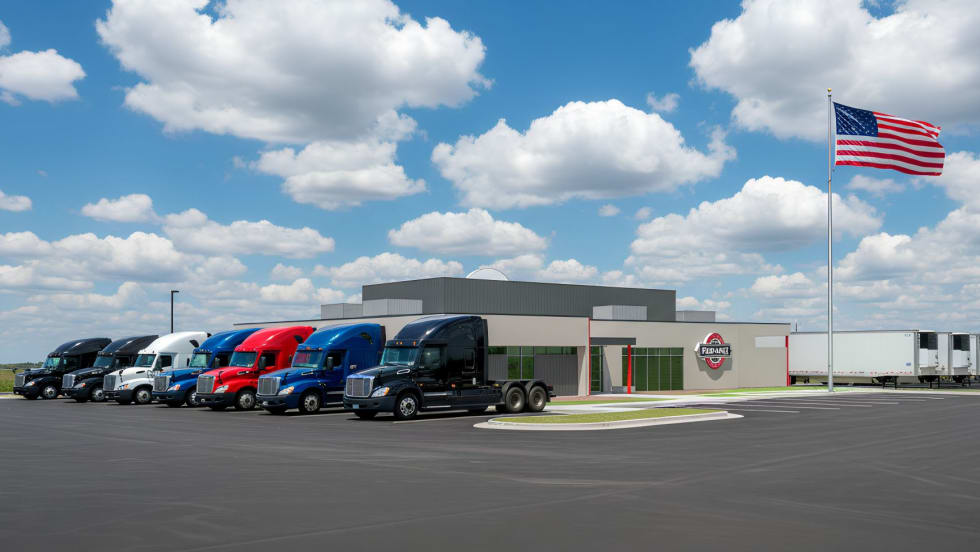
Prime Inc. to Open $7.9M Flagship Used-Truck Dealership
A new driver-focused facility to sell Prime Inc's used trucks and trailers will be the first purpose-built location in the company's history.
Read More →
Lessons Learned About Alternative Fuels: Start Small, Stay Flexible
Practical advice on adopting alternative fuels and ZEVs from HDT's 2026 Top Green Fleets, from renewable diesel and natural gas to electric trucks.
Read More →
Kenworth Names Peter Ahrens General Manager
Leadership changes at Kenworth take effect July 1 as the OEM promotes two longtime Paccar executives to key management roles.
Read More →
Hino Adds Electric Class 6/7 Truck
Hino says the Le Series is an important step in the company's efforts to reduce environmental impact and support its customers’ sustainability goals.
Read More →
ACT Expo 2026: Highlights in Photos
The 2026 Advanced Clean Transportation Expo featured a broad range of commercial vehicle technologies, from EVs to autonomous trucks to the latest diesel and alternative-fuel engines.
Read More →