




The Time-Crunched Safety Manager
Managing safety and training in a fleet means rushing from one brushfire to another. Everyone feels the time crunch. How do you make a difference when you’re juggling priorities, switching tasks, and trying to extinguish that daily brushfire?

As a time-crunched manager, focus is difficult.

As a time-crunched manager, focus is difficult.
"Today is the day,” Mike says to himself as he parks. “Gonna put the numbers down on the types of crashes we have — figure out what the real problem is.” Within 30 seconds of sitting down, Mike gets a call. A driver was in an accident overnight, and worse, the driver was cited for DUI.
“Maybe tomorrow will be the day,” he mutters. But then, he said the same thing last week.
Managing safety and training in a fleet means rushing from one brushfire to another. Everyone feels the time crunch. There’s a ton to do, both at a strategic level and down in the nitty-gritty. So how do you excel? How do you make a difference when you’re juggling priorities, switching tasks, and trying to extinguish that daily brushfire? How can you catch your breath, look at the big picture, and execute a plan that works?
Here’s what we know causes the best safety program intentions to fail:
A lack of top-down leadership support
Lack of “buy in” from employees
Lack of focus — trying to fix too many things yourself
Poor execution
No results tracking
Success for safety and training are tough to measure. When you do your job, nothing happens. But once you start measuring the performance of your fleet, the formula for improving becomes quite simple:
Focus + Leadership + Structured Program + Disciplined Delivery = Results
Here we’ll talk about the first two steps in that formula.
Learn to focus
What would you give up to gain a little focus? As a time-crunched manager, focus is difficult. But the one thing you can control is how you spend your attention and time. Focus requires sticking to your priorities. Starting a new project or initiative should mean you’ve cleared your capacity to handle it. That may mean finishing an existing project, outsourcing it, delegating it, or abandoning it. It is perfectly reasonable to ask yourself: “What if we didn’t pursue this new initiative? What would happen?”
Gaining focus often means changing old processes and habits. It may mean you outsource all non-injury and non-towaway incident reports to driver managers or dispatch. Maybe you outsource the creation of training content. It may mean traveling to distribution centers less and providing basic or new-hire training online.
Doing this will allow you to focus on the big stuff. The Pareto Principle (popularly known as the “80/20 rule”) suggests that 80% of your results come from 20% of your efforts. Which is good news, because you’re already really busy.
First, you need to list, categorize and prioritize your pain points. Listing them is pretty easy. Categorizing them might call for a little creativity. For example, what if you categorized the problems by root cause? Is it a lack of knowledge, or just lax attitudes? Is the new electronic log implementation really a disaster, or did training get glossed over?
Prioritizing pain points can also call for creativity. By categorizing all small incidents — like backing incidents — you could find the cost of each is small, but the overall cost is quite expensive. Alternately, injuries are (hopefully) very infrequent but inversely expensive.

First, you need to list, categorize and prioritize your pain points.
Leader or manager?
The truth is that you need both leaders and managers. Leaders push big changes, and good managers execute them. If you’re missing either, results will elude you.
But if no one in your company is truly pushing the change, then you must be the leader. What is the difference between a leader and a manager?
A leader:
Creates and communicates a vision for the future
Encourages others to commit to the vision
Motivates and inspires workers to overcome barriers
Encourages innovation
Helps the organization to develop by adapting to changing circumstances
Shows benefits of investments.
A manager:
Develops a plan and allocates resources
Sets objectives and organizes a schedule
Monitors situations
Focuses on order and efficiency
Ensures standards are met.
Meticulously tracks changes in costs and behaviors.
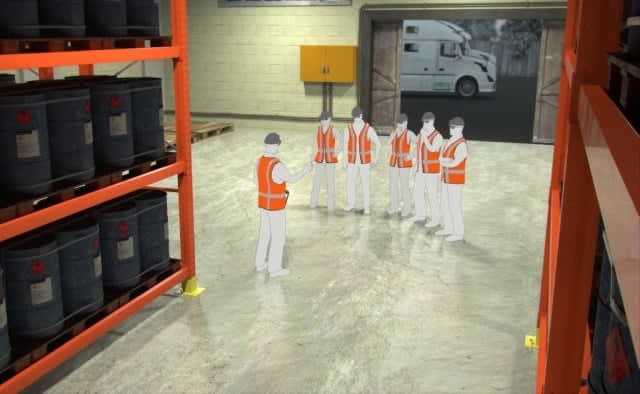
You need both leaders and managers. Leaders push big changes, and good managers execute them.
3 tips to improve safety leadership
How do you move from inspirational poster to real leadership? Take action! Here are some specific actions you can take:
1. Challenge the status quo
Are there new ways to improve health and safety?
Are all the involved parties — drivers, managers, dispatchers, and load planners — asking what they could’ve done differently, rather than pointing the finger at someone else?
Challenge others — ask what they could do to solve this problem.
2. Create a vision
Consult your team to find and set clear wellness and safety goals.
Involve others in planning and decision-making — everyone needs to have “skin in the game.”
Create a shared vision through those goals. Make people responsible by offering incentives and accountability.
3. Inspire others to be safe and healthy
Does everyone have the skills, abilities and resources to do their jobs safely? If not, why not? What can the organization do to fix that problem?
Plan enough time for work to be done in a safe and healthy way.
Share your expertise to help others overcome barriers.
Crunched for time, safety manager? Take a moment to assess your priorities, focus on a few areas and whenever possible, take action like a leader.
Laura McMillan is VP of training development at Instructional Technologies Inc., which offers Pro-Tread online training for truck fleets and logistics companies. This article was authored under HDT editorial standards and style to provide useful information to our readers.
More Safety & Compliance
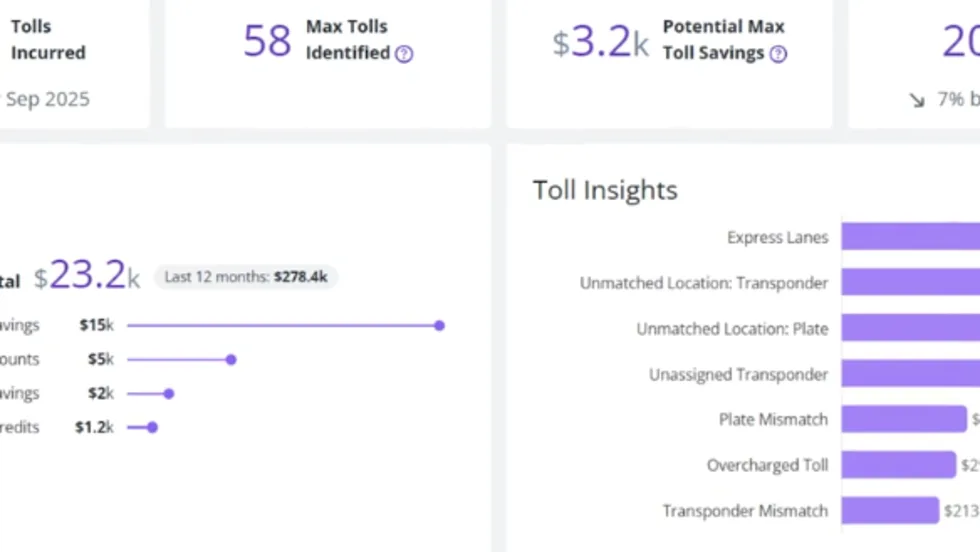
PrePass Intelligence Mines Fleet Bypass, Toll and Safety Data
PrePass Intelligence helps fleets measure bypass savings, flag potential toll overcharges, and spot suspicious transactions by combining data from separate systems.
Read More →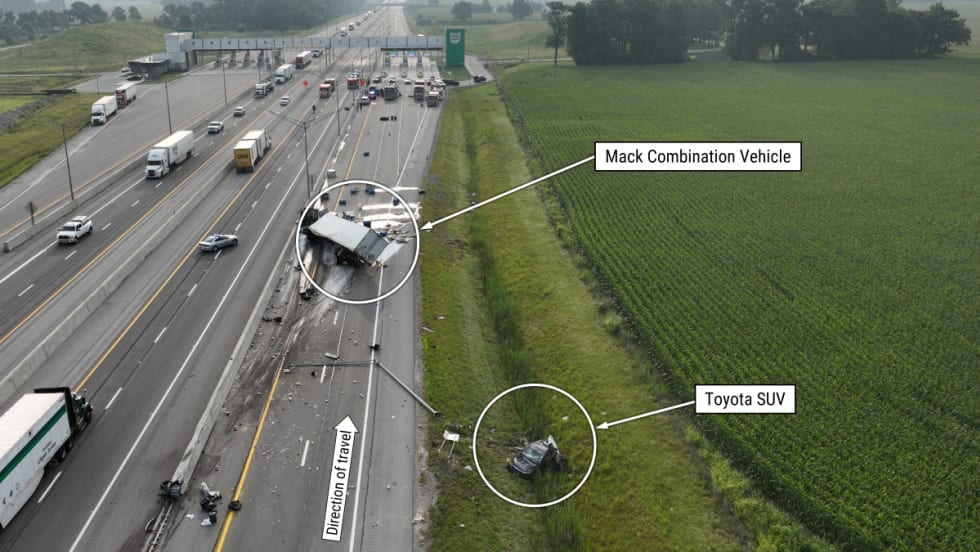
Fatal Crash Exposes Toll Plaza Risks
An NTSB investigation found that last-minute lane changes and large speed differences at an Ohio toll plaza created a hazard the truck driver couldn't avoid in time.
Read More →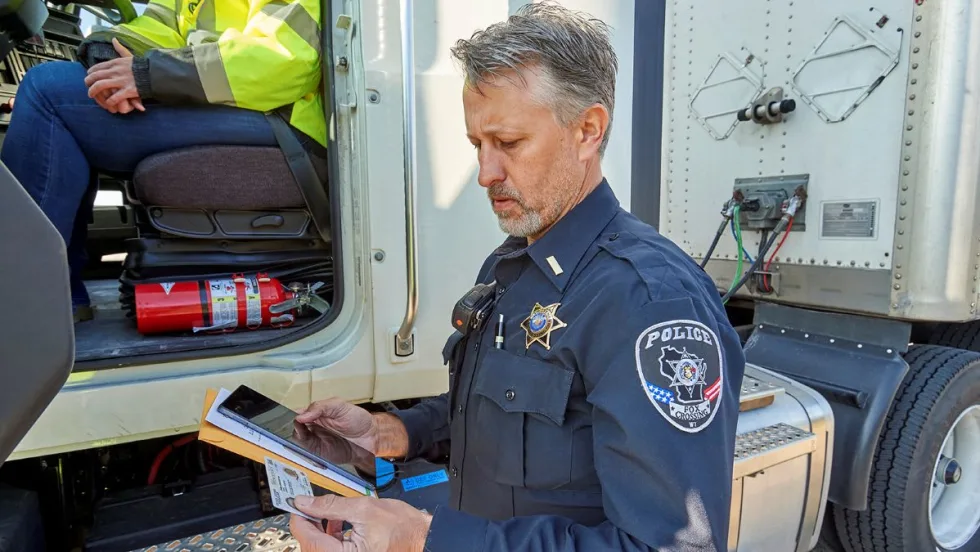
When Language Stops the Truck: The Return of ELP Out-of-Service Orders
English language proficiency rules for commercial drivers aren’t new, but renewed out-of-service enforcement has raised the stakes. Here’s what carriers need to know before a driver reaches a roadside inspection.
Read More →
A Camera Isn't a Safety Program. Here's What Brokers Are Screening for Now
Footage alone may not be enough to pass broker vetting processes. Here's what counts as a defensible safety program now.
Read More →
Marijuana and Trucking’s Drug-Testing Dilemma
Marijuana is getting stronger, laws are changing, and drug tests still can’t reliably establish impairment. What does that mean for truck drivers and the fleets that employ them?
Read More →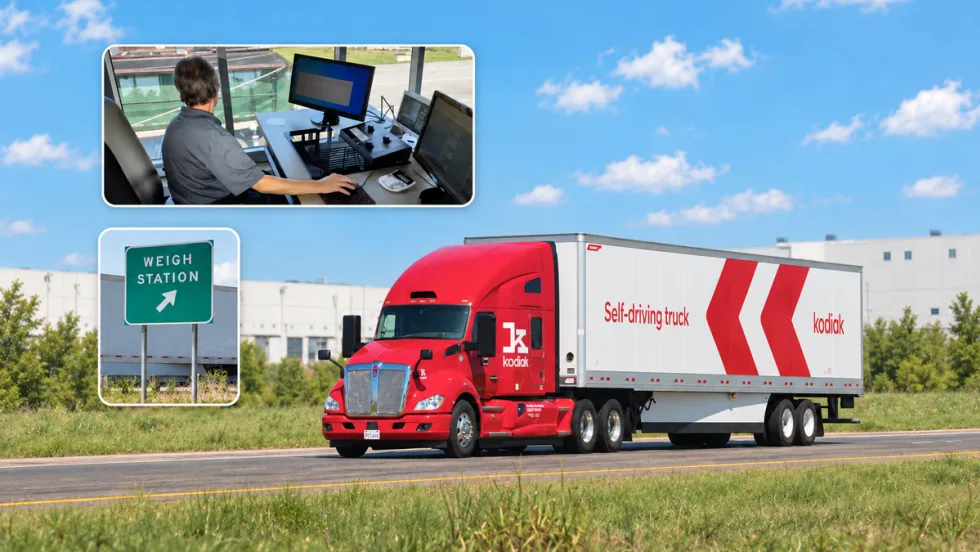
PrePass, Kodiak Connect Driverless Trucks to Roadside Enforcement
The system will allow enforcement agencies to verify Enhanced Inspection information and decide whether Kodiak’s autonomous trucks can bypass roadside screening sites.
Read More →
From One Generation to the Next: How Mentorship Builds Safer Truck Drivers
After three decades in trucking, Harold Perry shares what he's learned about driver safety, mentorship, and helping the next generation build confidence behind the wheel.
Read More →
FMCSA Pauses Biennial-Update Enforcement Amid Motus Transition
Carriers whose updates were due on or after June 1 have more time, while FMCSA works to stabilize its new registration system and warns of phishing sites impersonating its new carrier registration system, Motus.
Read More →
ZF Expands Commercial Vehicle Push in North America
ZF is expanding its North American commercial-vehicle presence with new transmission applications, electrification, trailer technology and autonomous-driving systems.
Read More →
Truck Drivers Need More Than Another Alert
Fleets have more visibility into truck health, safety events, and driver activity than ever. The next challenge is turning all that information into useful guidance for the person who has to decide what to do next.
Read More →