




Test Drive: KW's T370 Hybrid Tractor
Until recently, hybrid-drive commercial trucks have been, almost by definition, straight trucks. These are often the ones used in urban stop-and-go operations, where hybrids offer the greatest fuel savings achieve

Until recently, hybrid-drive commercial trucks have been, almost by definition, straight trucks. These are often the ones used in urban stop-and-go operations, where hybrids offer the greatest fuel savings achieved
by capturing braking energy and using it to relaunch the vehicles.
But there's heavier work to be done, too, and for this, Kenworth and two competitors last fall announced Class 7 tractors that are ideal for pickup and delivery duties. Like previously introduced medium-duty truck models, they all use Eaton Corp.'s hybrid electric system.
Kenworth's hybrid tractor is based on the T370, a tough and highly maneuverable model that's made with big cities in mind. The tractor was among two dozen Eaton-equipped vehicles at the Hybrid Truck Users Forum's annual ride-and-drive event, held last fall at the Bosch proving grounds near South Bend, Ind. Track time was preceded by two days of informational sessions downtown, where attendance of more than 550 set a new record. This, organizers said, showed ever-increasing interest in hybrid-drive trucks and buses by builders and operators.
In development and field use, electric hybrids are a couple of years ahead of hydraulic-drive systems. That's why most of the 35 hybrids available for demonstration driving were electrics, and 23 of those used Eaton's system.
Eaton's electric system uses a 60-horsepower motor mounted in the driveline ahead of a 6-speed UltraShift automated mechanical transmission with an automatically operated clutch. During braking, the motor becomes a generator that drags on the driveline to produce electricity, which the system stores in a bank of lithium-ion batteries. During launch, electricity courses back through the motor and helps push the truck into motion. This takes some load off the vehicle's diesel engine, thus saving 30 percent or more in fuel.
Beverage delivery is a prime application for this type of tractor. At the HTUF meeting, International showed off its new DuraStar hybrid tractor hitched to a cola wagon. Peterbilt would've had its new Model 335 hybrid tractor at HTUF, but it was out in Las Vegas at a major brewer's convention (Pete did demonstrate a Class 7 hybrid dump truck at HTUF).
A beverage distributor had ordered Kenworth's T370 hybrid tractor, which the builder displayed at HTUF before delivery. KW's public relations manager, Jeff Parietti, had invited me to drive it, and enlisted the builder's midrange sales manager, Joe Morris, to acquire a trailer for the tractor to pull.
Morris, a friendly and helpful fellow, said he arranged for a crew to load concrete blocks into a 28-foot pup trailer so there'd be some serious weight involved. But when he saw that the pup was old and rusty, he substituted a near-new and shiny 53-foot van that was more presentable for the show. There wasn't time to transfer the blocks, but the trailer still weighed maybe 11,000 pounds empty and besides, its tall, flat nose provided some wind resistance to test the powertrain, as the tractor had no air deflectors at all.
Driving an Eaton-equipped hybrid truck is pretty much like driving a regular one with an automated transmission. Once you've started the engine, punched D-for-Drive on the selector pad and released the brakes, you step on the accelerator and go. The clutch engages smoothly and if you're easy on the pedal, electric power gets you under way until juice from the batteries is depleted. Then the engine, which has been idling, quickly revs up and takes over. If you've impatiently mashed the "gas," the engine will cut in almost immediately and you'll take off quicker, but of course you haven't saved as much fuel as you could have (which is true even without the hybrid system). If you start out on an upgrade, the engine will also begin working rather soon.
This being a "parallel" system, both the electric motor and the engine run through the tranny, and they'll work alone or together. If you're conscientiously light on the pedal, the motor will go through several gears, whirring as it revs up and down. It'll go to 3rd gear and, if you nurse it, to 4th and almost 25 mph. It might go faster on a downgrade, but otherwise 24 or 25 is about the limit in electric-only mode, and the engine then cuts in. Speed requires horsepower, and the diesel has much more of it, so the engine does all of the propulsion work on a highway.
That's how any Eaton medium-duty electric hybrid operates, and so did this tractor, though of course in tight turns I had to watch where the long, 53-foot trailer was. That was easy because the T370 had a big rear window and the optional corner panes. To the front and sides there's also a lot of glass, while the steeply sloping hood stayed out of my sight line. It was fun pulling the trailer through corners, but then I never encountered traffic and had no delivery schedule to meet. Although my time with the tractor was short, I was again reminded of the apparent stoutness of the T/W series cab and its pleasing comfort, even if it's not the most roomy one in the truck world.
T370s are usually Class 7 models, but this tractor was a Baby 8, thanks to some heavier-duty components: a Dana Spicer 12,000-pound front axle on 13,200-pound taperleaf springs and a 23,000-pound rear axle with on a Hendrickson air-bag suspension, all riding on 22.5-inch Bridgestone tires. This is how the customer spec'd it, and he was willing to pay the 12 percent federal excise tax to gain extra carrying capacity and durability. Its diesel was decidedly medium-duty - a Cummins-built 6.7-liter Paccar PX-6 (the only one Paccar engineers have currently tuned to work with the Eaton hybrid system). It was rated at 280 horsepower and 660 pounds-feet (compared to 240 horsepower and 560 pounds-feet for straight-truck hybrids).
Once out of the proving grounds and onto four-lane Indiana Route 2, I accelerated to highway speeds. Above 50 mph I had the pedal close to the metal, and 58 to 59 mph and 2,300 rpm is all she'd do. I knew the trailer's tall and wide nose - a veritable barn door - was being yanked into the wind and figured this is why the smallish engine seemed to be running out of steam. Later, Kenworth engineers pointed out that the tractor was set up strictly for city service with a 5.57 rear-axle ratio that allowed only 61 mph max. Getting within 2 or 3 mph of that was reasonable, they thought.
Route 2 becomes Western Avenue in South Bend, and not far into town is Whiteford Kenworth, where Morris waited as I parked the rig. We chatted about this special tractor and agreed that city streets are where it would do best. If it's going to spend a lot of time cruising on freeways or the open road, then the costly hybrid option is probably not worthwhile, and a stronger engine with taller gearing might be called for.
The UltraShift 6-speed automated mechanical transmission is an option in the T300 series (so are Allison full automatics) and would be worth considering, as it promises somewhat better fuel economy than a manual. It also removes a lot of a driver's workload and offers a safety edge because the driver needn't worry about what gear he or she is in, only where the rig is.
Kenworth (and its competitors) will happily build you any type of tractor you want, midrange or heavy-duty and painted any color. With today's clean-burning '07-and-later diesels, every truck is environmentally "green." It's just greener if it's a hybrid, and it's dollar-green if it's used where it can save the most fuel. Whether or not you're in the beverage business, you can drink to that.
From the February 2009 issue of Heavy Duty Trucking.
More Equipment
Rush, MCT Team Up to Grow Refrigeration Service Network
The joint venture will operate MCT's network of Carrier Transicold dealerships and mobile service locations, with the companies promising greater service capacity and uptime for refrigerated fleets.
Read More →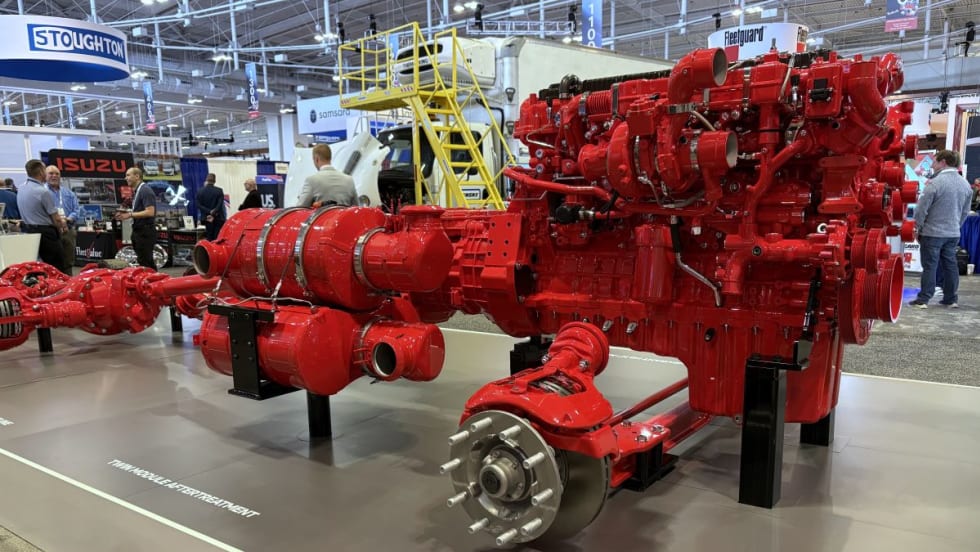
Cummins Adjusts 2027 Engine Rollout After EPA Proposal
The engine maker will gradually introduce its new Model Year 2027 diesel engines while continuing to offer current models during the transition, citing the EPA's proposed emissions rule changes.
Read More →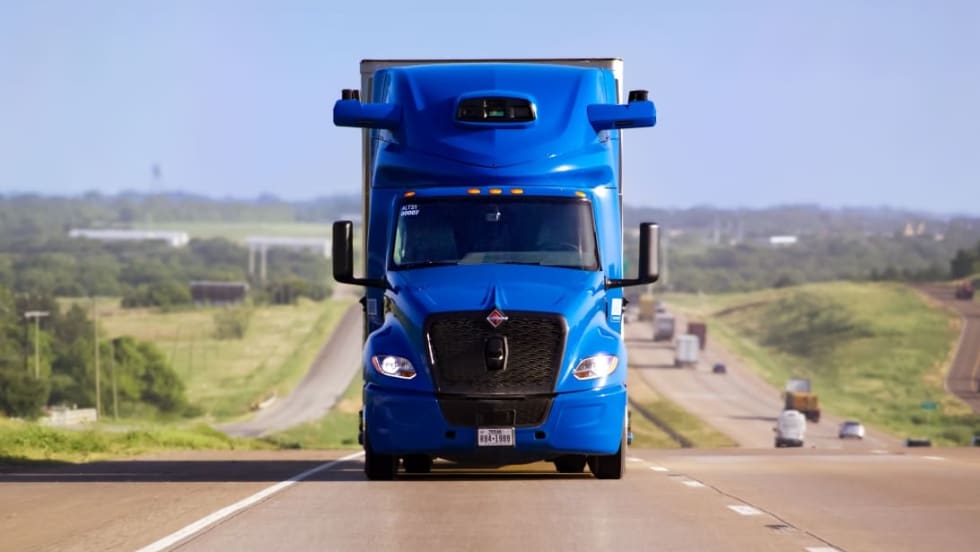
Aurora Rolls Out Next Generation of Driverless Trucks for Commercial Freight
Aurora's latest autonomous trucks it's rolling out with International feature lower-cost hardware designed for a million miles as the company expands commercial driverless freight operations across the U.S. Sun Belt.
Read More →
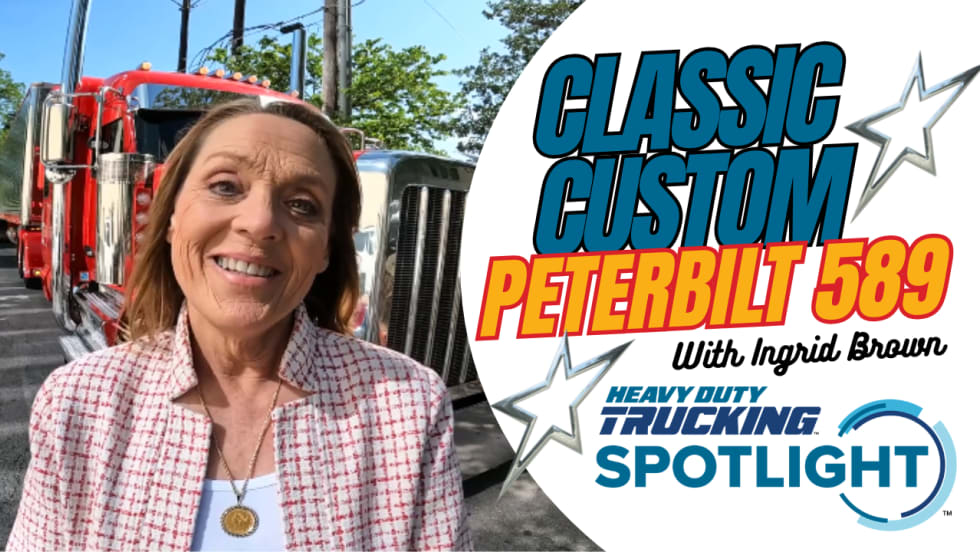
Peterbilt 589 Spotlight: A Close Look at a Custom Working Truck [Video]
There's more to this customized Peterbilt Model 589 and Great Dane refrigerated trailer than chrome and stainless (although there's plenty of that too!) A veteran driver explains the design choices and practical features behind this working truck.
Read More →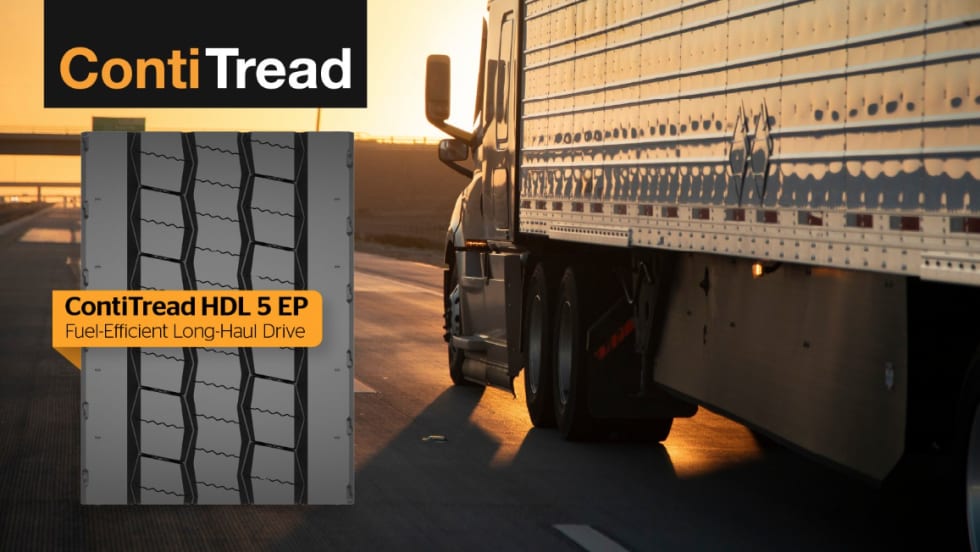
Continental Expands Retread Lineup With New ContiTread HDL 5 EP
New long-haul drive retread is designed to improve fuel efficiency, extend tread life, and lower fleets' cost per mile.
Read More →
EPA Proposal Could Ease 2027 Truck Costs and Buying Uncertainty
The proposal doesn't change the tougher NOx standard, but it would revise key implementation requirements that manufacturers say have driven up costs and complicated fleet purchasing decisions.
Read More →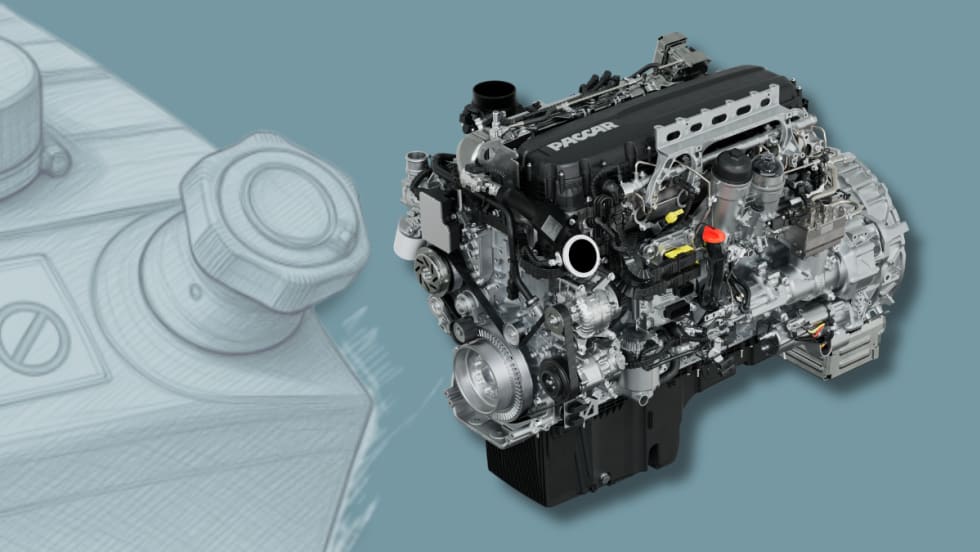
Cummins, Paccar Ease DEF Derates After EPA Guidance
Updated diesel engine software gives truck operators more time to address emissions-system issues while staying compliant with EPA emissions standards.
Read More →
America at 250: How the Truck Helped Connect a Continent
America was founded on revolutionary ideas, but it was built by movement. For 250 years, the nation has depended on ever-better ways to move people, products, and prosperity across a vast continent. No machine has carried that mission further — or more faithfully — than the truck.
Read More →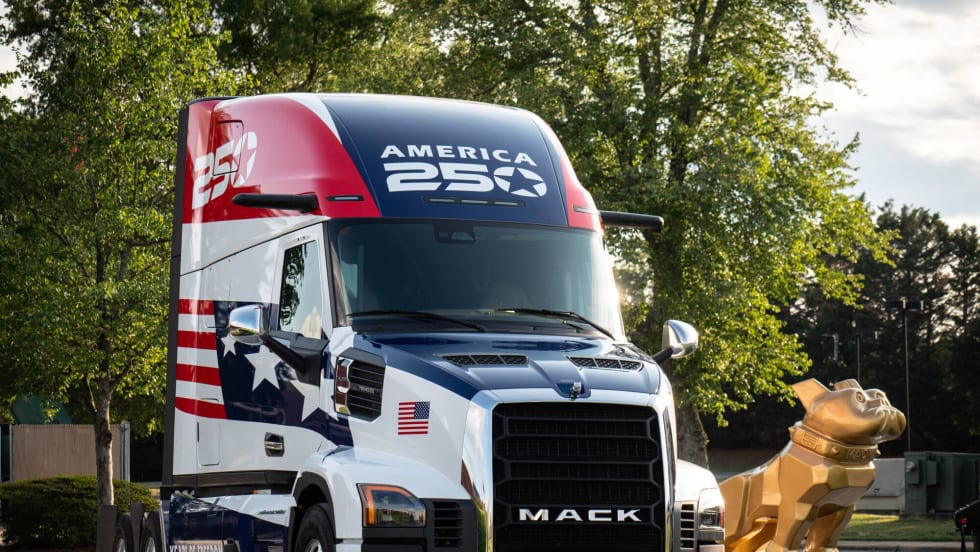
Mack Unveils America 250 Tribute Truck to Celebrate Nation's Semiquincentennial
Just in time for the Fourth of July! Mack unveils a brand-new patriotic, limited-edition, red, white, and blue truck wrap.
Read More →
Enhance Fleet Performance with High-Efficiency Auxiliary Power Units
Drive sustainable cost savings while increasing driver comfort during short- and long-haul logistics operations.
Read More →