




Test Drive: BAE HybriDrive -- New and Smooth
BAE Systems is a multi-national company that claims to have built HybriDrive electric powertrains for more than 3,500 transit buses in cities around the world, plus many thousands of straight diesel trucks for the U.S. Army. And it's developing hydrogen fuel cells and electric propulsion systems

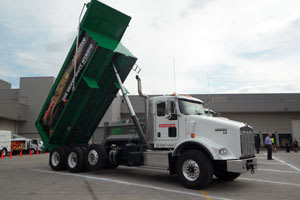
BAE HybriDrive in this Kenworth T800 dump supplies only propulsion power, but could be set up to help tip the bed. For now the Cummins engine, running through a PTO, spins the hydraulic pump that operates the bed's hoist.
BAE Systems is a multi-national company that claims to have built HybriDrive electric powertrains for more than 3,500 transit buses in cities around the world, plus many thousands of straight diesel trucks for the U.S. Army. And it's developing hydrogen fuel cells and electric propulsion systems.

So it seems to have strong credentials to design and market HybriDrive versions for Class 6, 7 and 8 trucks. The design is based on the bus systems, and the company is working with Crane Carrier Corporation to take one to market in a trash-collection chassis later this year.
Executives showed off a heavy HybriDrive at last year's Work Truck Show in Indianapolis, sponsored by the National Truck Equipment Association. Since then BAE has announced long-term contracts with key suppliers. One is Caterpillar, which makes the CX31 automatic transmission that's part of the setup in this 2011-model Kenworth T800 dump truck. It was available for sampling in the Green Truck Ride and Drive at this year's show, also in Indy.

Here's why I found this truck interesting: During the construction season in central Ohio, where I live, I see a lot of dump and concrete mixer trucks rumbling along county roads. They brake often for arterial stop signs at intersections, and I have to believe that these would make excellent applications for hybrid-drive systems, whether electric or hydraulic. These are heavy trucks that require considerable braking force to make these frequent stops; couldn't a lot of that energy be captured and used to launch the trucks each time?
Most people who design hybrids say no, that the stops aren't frequent enough to justify the extra cost of the hybrid apparatus. Yet BAE chose a dump truck to demonstrate its system, so I felt vindicated, and made it a point to drive it. I came away impressed.
Smooth and quick are the words I'll use to describe the HybriDrive. Its electric components blended well with the truck's 425-horsepower Cummins ISM, boosting power to the driveline, while the Cat six-speed automatic tranny shifted smartly every time. The truck was fast off the line, but its bed was empty so of course it should've been. This is a parallel system so both power sources can work at the same time, and did during my short drive. With a more intense workout the HybriDrive should sometimes have enough electricity stored up to launch the truck by itself.
Regeneration during braking was noticeable but rather unobtrusive except for some faint whining. During deceleration, the 145-hp electric motor behind the engine acts as a generator, sending electricity to a 5-kilowatt lithium-ion battery pack. Foundation brakes come into play when the truck nears a complete stop, or in emergencies, which I never faced. Overall the brakes see far less wear, so maintenance on them is also less, as is the case with most hybrids.
When the driver steps on the accelerator, electric power from the batteries is then sent back to the motor, which propels the truck as it moves away from a stop. The motor makes as much as 590 pound-feet right from the start; that lessens the amount of torque and horsepower needed from the engine, which saves fuel. The motor-generator is also the diesel's starter, and an automatic clutch decouples it from the engine when the electric device is not needed for any of its three duties.
Track tests last year showed that HybriDrive saves about 30% in fuel compared to a diesel-only powertrain, BAE says. That's exactly in line with what other hybrid manufacturers are claiming, even if some users say they're saving even more. Then again, others get less, but it depends a great deal on how the truck is used.
Would a dump truck's regular duties present enough stopping and starting to generate the savings that would pay back the cost of the system in three to five years, as BAE claims? Is that time short enough for the average small-fleet operator? Maybe not. But progressive minds managing larger fleets might think so. And I hope one of these hybrids soon comes whining down a road near my house, 'cause then I can say, "Told ya so!"
More Equipment
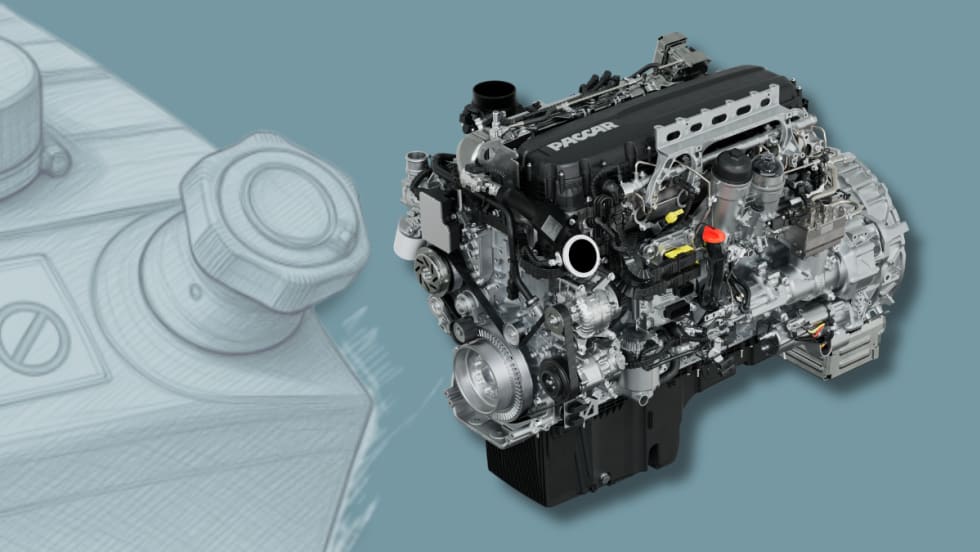
Cummins, Paccar Ease DEF Derates After EPA Guidance
Updated diesel engine software gives truck operators more time to address emissions-system issues while staying compliant with EPA emissions standards.
Read More →
America at 250: How the Truck Helped Connect a Continent
America was founded on revolutionary ideas, but it was built by movement. For 250 years, the nation has depended on ever-better ways to move people, products, and prosperity across a vast continent. No machine has carried that mission further — or more faithfully — than the truck.
Read More →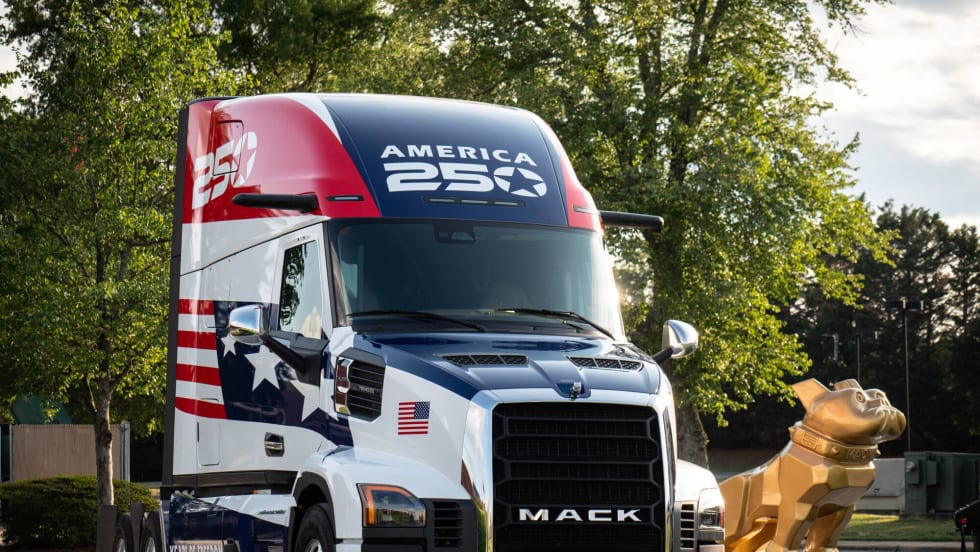
Mack Unveils America 250 Tribute Truck to Celebrate Nation's Semiquincentennial
Just in time for the Fourth of July! Mack unveils a brand-new patriotic, limited-edition, red, white, and blue truck wrap.
Read More →
Enhance Fleet Performance with High-Efficiency Auxiliary Power Units
Drive sustainable cost savings while increasing driver comfort during short- and long-haul logistics operations.
Read More →
Rush Expands Gulf Coast Peterbilt Network With Louisiana Acquisition
The expanded Rush network gives fleets additional sales, service, leasing and collision repair support across Louisiana's major trucking markets.
Read More →
Photos: Shell SuperRigs Light Up Bristol Tennessee
Kenny Ziglar II of Rawlins, Wyo., captured Best of Show honors for the second consecutive year with his 2007 Peterbilt 379, nicknamed “Scrapin By,” at the 44th Annual Shell Rotella SuperRigs competition held June 25-27 at Bristol Motor Speedway in Bristol, Tenn.
Read More →
Waabi, Volvo Claim Breakthrough in Scaling Autonomous Trucking
Waabi says its AI-powered virtual driver successfully transferred to Volvo Autonomous Solutions' Volvo VNL Autonomous platform without retraining or additional data, a milestone the companies say could dramatically accelerate commercialization of autonomous trucks.
Read More →
Why the Mack Pioneer Signals a New Era in Class 8 Truck Design
After a public-road drive through eastern Pennsylvania, one thing became clear: Mack's new Pioneer isn't simply packed with technology -- it's been engineered around the driver in ways that could redefine long-haul trucking.
Read More →
Mack Defense Secures $47 Million to Continue Military Dump Truck Production
President Trump visited Mack Defense’s Macungie, Pennsylvania, facility on June 23 to tout a $47 million Heavy Dump Truck order.
Read More →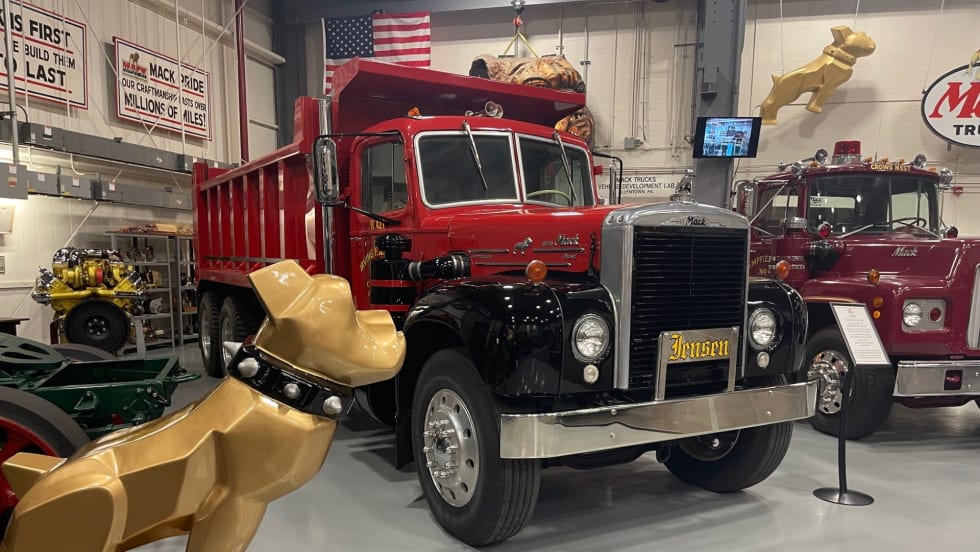
New (Antique) Trucks Take the Spotlight at the Mack Trucks Museum
The Mack Trucks Historical Museum has a slate of new historic vehicles on display this year.
Read More →