




On the Horizon: New Engines, New Fuels
From a seminar on sustainable transportation at the Sweden House in Washington, D.C., on Wednesday, a glimpse over the horizon, such as a camless engine and turning waste into fuel

From a seminar on sustainable transportation at the Sweden House in Washington, D.C., on Wednesday, a glimpse over the horizon, such as a camless engine and turning waste into fuel:
Sturman Industries, working with Navistar International, this year expects to demonstrate a camless 9-liter diesel engine that produces the power of a 15-liter engine.
President Carol Sturman said the engine will go into production next year.
Sturman, which pioneered digital control of fuel injectors, will be installing its unique control systems in some Navistar engines in 2013, said Eddie Sturman, Carol's husband and the company's chief engineer.
The technology replaces the traditional mechanical camshaft with an electromagnetic-hydraulic valve actuating system managed by a digital control system. This allows microsecond control of the intake and exhaust valves, which opens the door to better engine efficiency, lower emissions and the use of a wide variety of fuels, Sturman said.
Solena Group, a U.S. company based in Washington, D.C., has a process that turns municipal waste into fuel that can be used by jet airplanes and diesel trucks.
Solena is working with airline companies around the world, including FedEx, to set up production plants in major cities, said Pernile Hager, vice president of business development.
There's plenty of feedstock for the "plasma gasification process" in urban areas, and the product can be added to diesel fuel to stretch the gallon, she said. Some airline companies are testing the fuel in their airport ground transportation equipment.
The big hurdle is finding the money to build the plants in the wake of the 2008 global financial collapse, she said. "There's plenty of waste, and there's no limit to how many plants we could build if we had the money."
It may be that the future for biodiesel is to introduce the biofuel into the diesel refinery process before the diesel is finished, said Mary Beth Stanek, director of environment and energy policy at General Motors.
Biofuels in general have not advanced as quickly as expected because it is expensive to get them to a usable state, she said. Also, refiners have been reluctant to introduce biofuel into their piping systems for fear of contamination, but now she sees these products coming in at the beginning of the oil refining process.
"This will open up the biobased world, and we should be encouraged by that," she said.
One company taking this approach is KiOR, which last year signed an agreement to provide renewable diesel blends to FedEx affiliates.
KiOR says it has a method to convert biomass to renewable crude oil that is compatible with existing fuel infrastructure.
National security: A gallon of petroleum not burned, either by improved efficiency or by replacement with a renewable fuel, is a gallon saved toward national security, said Vice Admiral Dennis McGinn, president of the American Council on Renewable Energy.
If the confrontation with Iran over its nuclear program gets out of hand, the price of a barrel of oil could jump from about $105 to $150 or more overnight, McGinn said.
Those crazy Swedes. They have an official national goal of achieving zero net greenhouse gas emissions by 2050, said the Swedish ambassador to the U.S., Jonas Hafstrom.
More Equipment

EPA Proposal Could Ease 2027 Truck Costs and Buying Uncertainty
The proposal doesn't change the tougher NOx standard, but it would revise key implementation requirements that manufacturers say have driven up costs and complicated fleet purchasing decisions.
Read More →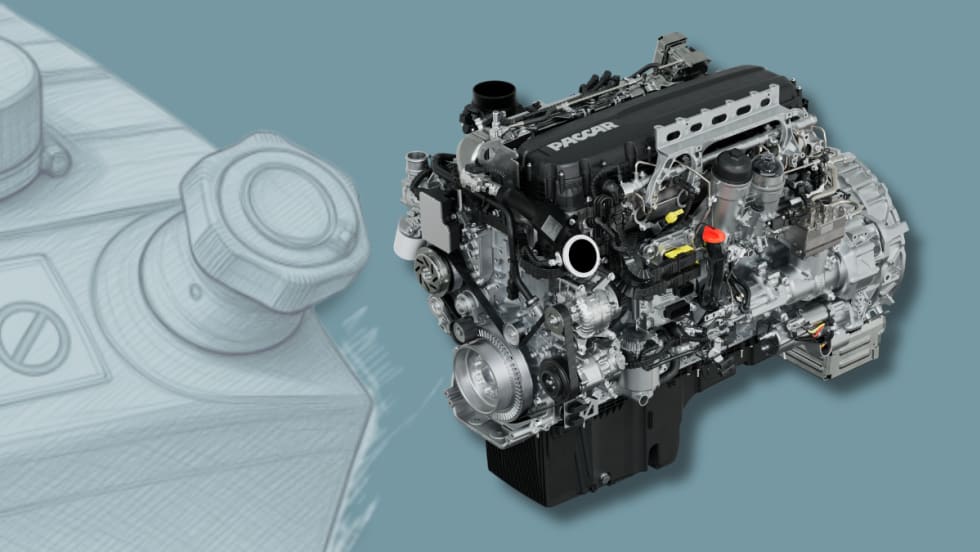
Cummins, Paccar Ease DEF Derates After EPA Guidance
Updated diesel engine software gives truck operators more time to address emissions-system issues while staying compliant with EPA emissions standards.
Read More →
America at 250: How the Truck Helped Connect a Continent
America was founded on revolutionary ideas, but it was built by movement. For 250 years, the nation has depended on ever-better ways to move people, products, and prosperity across a vast continent. No machine has carried that mission further — or more faithfully — than the truck.
Read More →
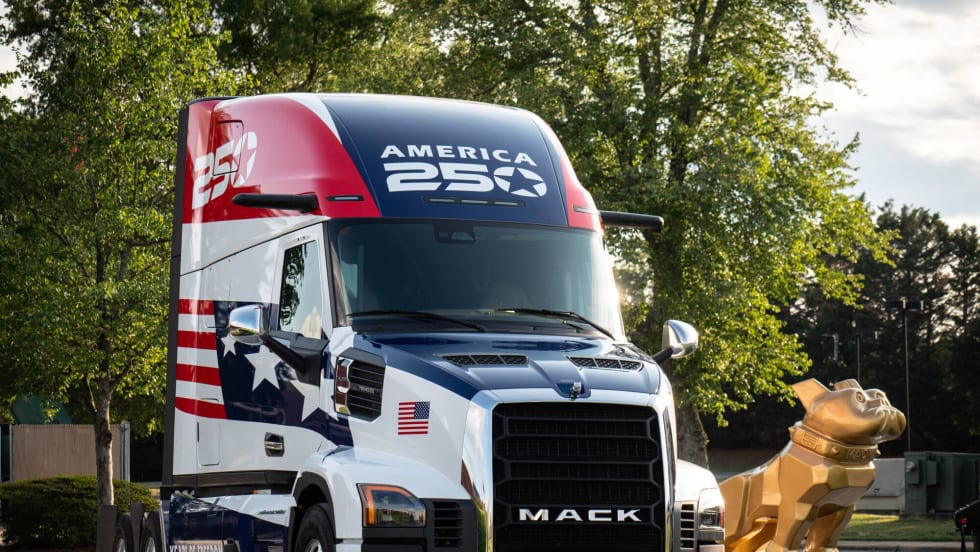
Mack Unveils America 250 Tribute Truck to Celebrate Nation's Semiquincentennial
Just in time for the Fourth of July! Mack unveils a brand-new patriotic, limited-edition, red, white, and blue truck wrap.
Read More →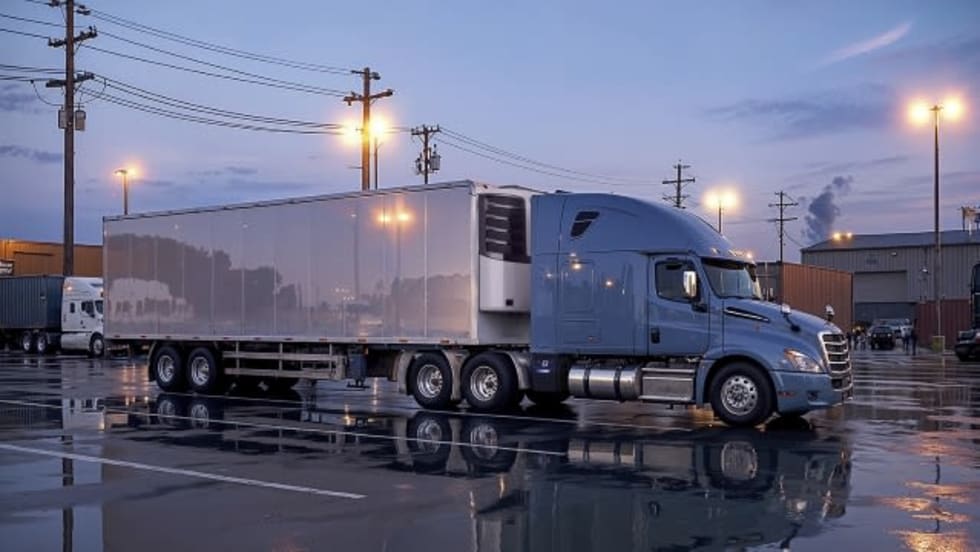
Enhance Fleet Performance with High-Efficiency Auxiliary Power Units
Drive sustainable cost savings while increasing driver comfort during short- and long-haul logistics operations.
Read More →
Rush Expands Gulf Coast Peterbilt Network With Louisiana Acquisition
The expanded Rush network gives fleets additional sales, service, leasing and collision repair support across Louisiana's major trucking markets.
Read More →
Photos: Shell SuperRigs Light Up Bristol Tennessee
Kenny Ziglar II of Rawlins, Wyo., captured Best of Show honors for the second consecutive year with his 2007 Peterbilt 379, nicknamed “Scrapin By,” at the 44th Annual Shell Rotella SuperRigs competition held June 25-27 at Bristol Motor Speedway in Bristol, Tenn.
Read More →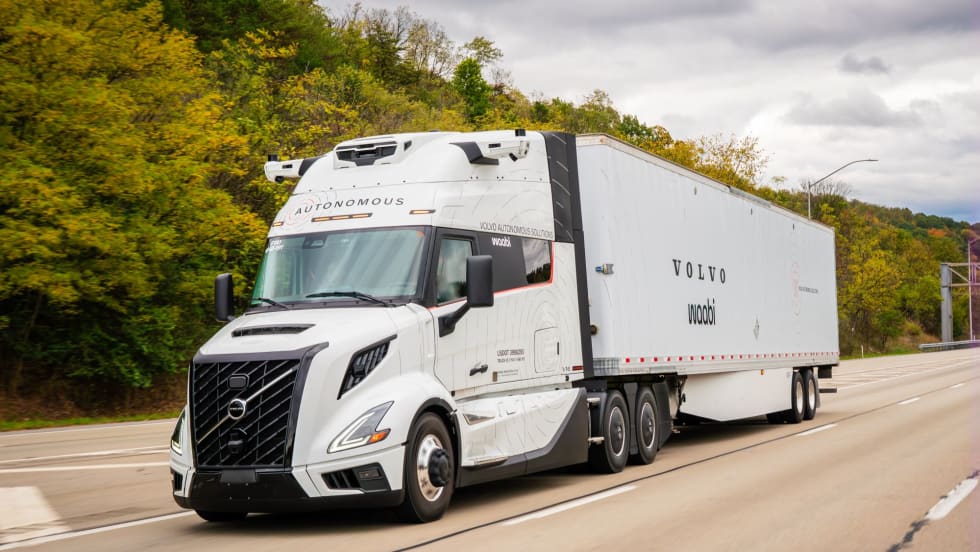
Waabi, Volvo Claim Breakthrough in Scaling Autonomous Trucking
Waabi says its AI-powered virtual driver successfully transferred to Volvo Autonomous Solutions' Volvo VNL Autonomous platform without retraining or additional data, a milestone the companies say could dramatically accelerate commercialization of autonomous trucks.
Read More →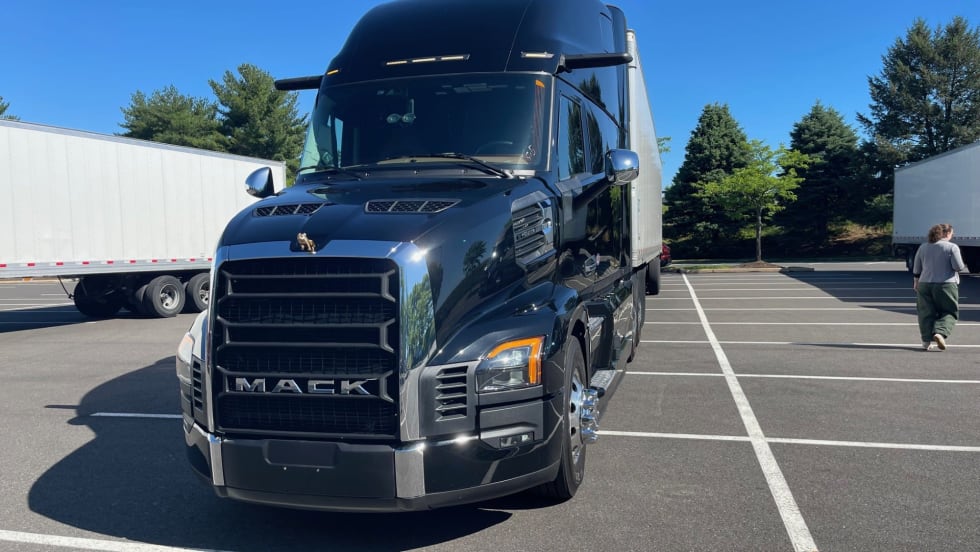
Why the Mack Pioneer Signals a New Era in Class 8 Truck Design
After a public-road drive through eastern Pennsylvania, one thing became clear: Mack's new Pioneer isn't simply packed with technology -- it's been engineered around the driver in ways that could redefine long-haul trucking.
Read More →
Mack Defense Secures $47 Million to Continue Military Dump Truck Production
President Trump visited Mack Defense’s Macungie, Pennsylvania, facility on June 23 to tout a $47 million Heavy Dump Truck order.
Read More →