




Related: Proposed Accounting Changes Would Affect Truck Leasing (2011)
New Accounting Standards Will Affect Lease Reporting
For companies that lease vehicles – finance and full-service – new accounting standards will impact their financial reporting, but result in little change to their operations.
by Staff
December 15, 2015
Photo courtesy PacLease
3 min to read
For companies that lease vehicles – finance and full-service – new accounting standards recently unveiled by the Financial Accounting Standards Board (FASB) will impact their financial reporting, but result in little change to their operations.
“The good news is that leasing will continue to provide numerous advantages to fleets,” says Brent Stevens, PacLease corporate services manager. “The advantages of full-service leasing, such as outsourcing vehicle ownership (to alleviate investing capital in non-core business assets) and related repair and maintenance, remain unchanged,” he said. “What’s more, leasing will continue to transfer the vehicle’s residual risk to the lessor, improve and provide predictable cash flow, and give tax benefits – all while providing an additional source of low-cost capital.”
According to Stevens, the objective of the new FASB lease accounting standard is to make financial reports easier for users to understand.
“Currently, financial institutions and other users of a company’s financial reports have to closely review the footnotes to the financial reports to understand the impact and scope of assets and associated liabilities related to off-balance sheet operating leases,” Stevens explains. Most full-service leases are accounted for as operating leases (off balance sheet – no asset or liability recorded), and the lease payment is simply recorded as an expense on the income statement.
“But in doing so, someone reviewing the financials of the company can spend a great deal of time trying to estimate the value of assets leased by the a company and financial obligations related to the leases.”
And Stevens says that’s what FASB is trying to change and simplify for users of financial reports. “The new FASB lease accounting standard will require all leases, including operating leases, to be reported as assets and liabilities on the balance sheet. It clarifies accounting and gives investors and financial institutions a more accurate picture of the long-term financial obligations of the company leasing trucks,” he says.
The changes have been in the works for some time. The Sarbanes-Oxley Act of 2002, which was the response to the major corporate and accounting scandals that included Enron, set a number of new or stricter standards for U.S. public boards, management and public accounting, including enhanced financial disclosures for off-balance-sheet transactions. And the Act required the Securities and Exchange Commission and the controller general to perform various studies and report to Congress. Such a report by the SEC in 2005 focused on off-balance-sheet arrangements and recommended FASB undertake a project to reconsider lease accounting standards.
According to Stevens, the new standard retains the straight-line expense recognition for operating leases on the income statement. “And most importantly, although the operating lease liability will be recorded on the balance sheet as a liability, it will not be classified as debt,” he said. “Those leasing trucks will need to allocate the rent payment between the portion related to the lease of the vehicle and the bundled services in order to determine the asset and liability amounts to record on the balance sheet.”
The new rules, to be published in early 2016, are not expected to go into effect for public companies until 2019. Private companies, whose lenders require audited GAAP financial reports, will have until fiscal year 2020 to incorporate these standards.
Your leasing company should be able to help you navigate the new standards.
Note: This article was provided by a public relations agency representing PacLease. It was authored under the guidance and editorial standards of HDT's editors to provide useful information to our readers.
Subscribe to Our Newsletter
More Fleet Management

Your Trucks Are Busy. That Doesn’t Mean They’re Winning.
High utilization doesn’t always mean strong margins. Looking beyond the current load can help fleets make better dispatch decisions and get more value from each truck’s time.
Read More →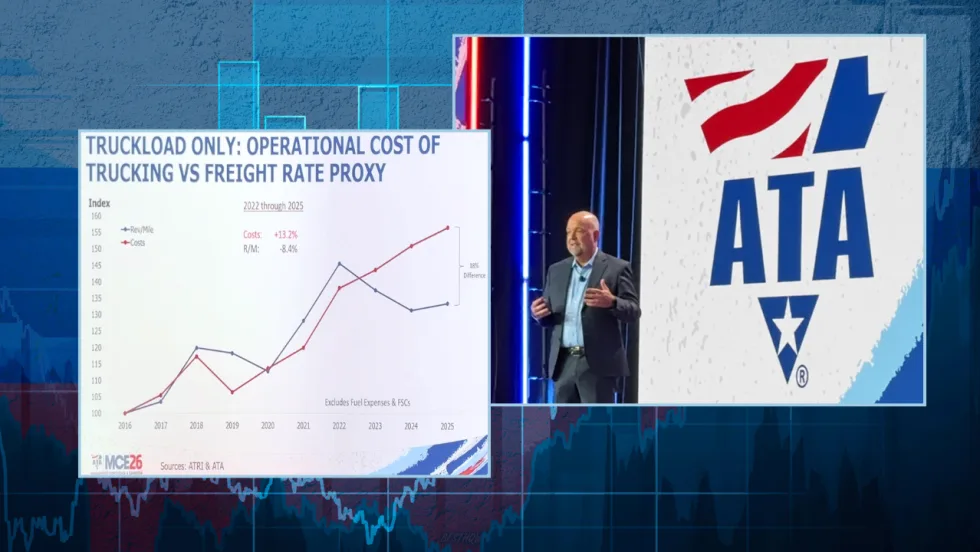
Why This Trucking Recovery Is Different
Freight demand remains sluggish, but rising costs and tougher enforcement have taken enough capacity out of the market to change the outlook for motor carriers.
Read More →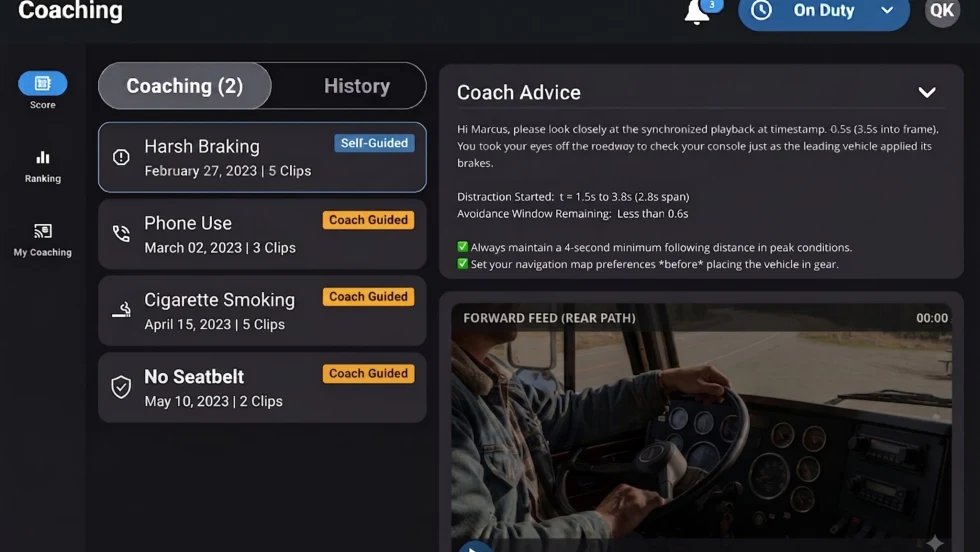
Platform Science Adds Dispatch and Safety Tools
Four additions to PS Fleet help fleets monitor loads, manage driver coaching, share truck locations and adjust video system settings.
Read More →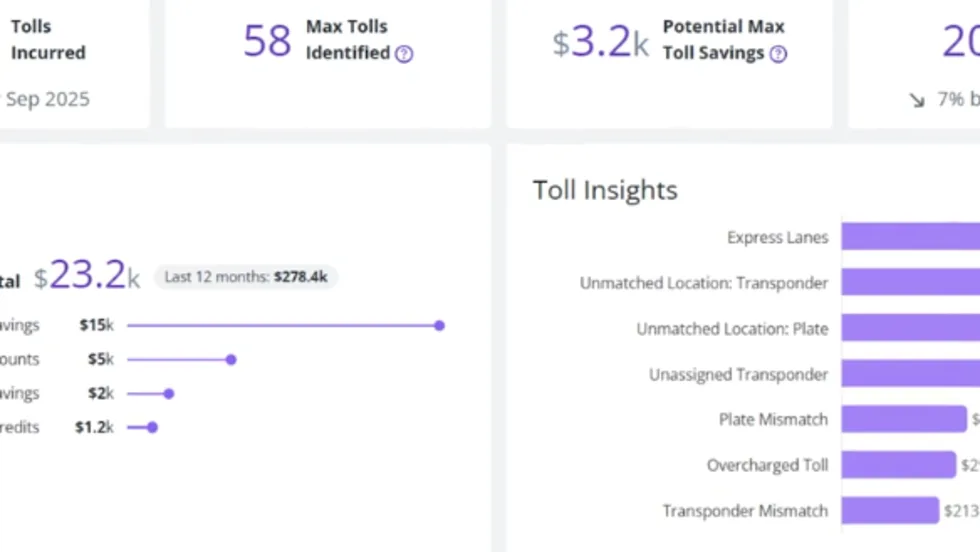
PrePass Intelligence Mines Fleet Bypass, Toll and Safety Data
PrePass Intelligence helps fleets measure bypass savings, flag potential toll overcharges, and spot suspicious transactions by combining data from separate systems.
Read More →
Motive Adds AI Agents for Fleet Operations
New tools automate follow-up on fleet data, from maintenance work orders to driver alerts, with two-way voice conversations planned for later this year.
Read More →
Can You Beat Our Trucking Trivia Challenge?
Test your truck knowledge with 19 trivia questions from Heavy Duty Trucking Exchange. Can you keep up with the fleet pros?
Read More →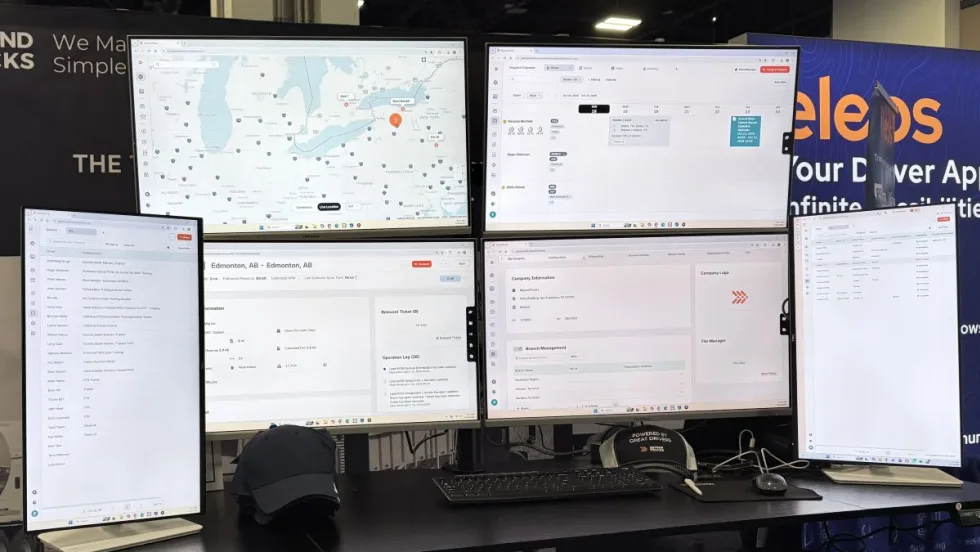
BeyondTrucks Adds Rules Checks to Dispatch
New Compatibility Engine checks driver qualifications, equipment requirements and fleet policies before loads are dispatched.
Read More →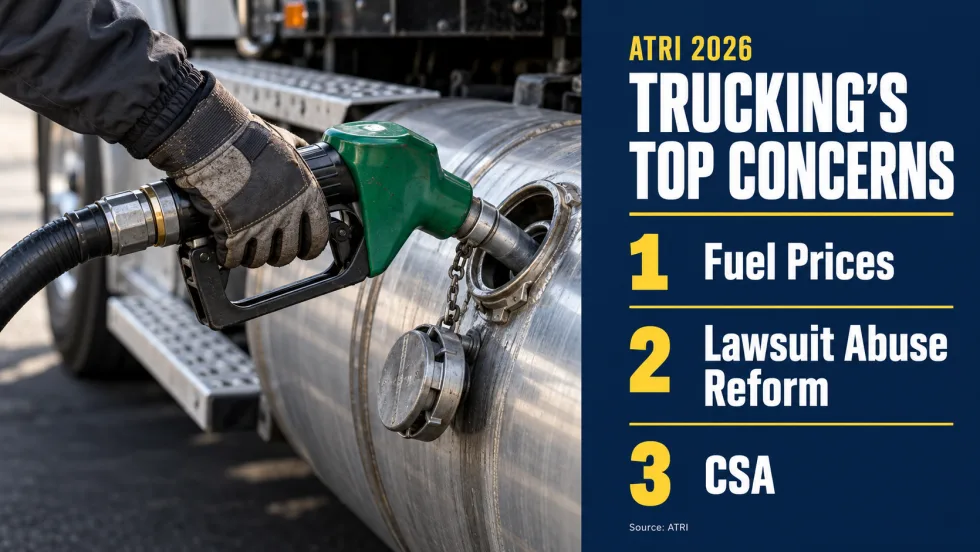
Diesel Prices Hijack Trucking’s Worry List
ATRI’s annual survey finds cautious optimism about freight, but diesel costs, litigation, and insurance continue to squeeze fleets. Drivers have different priorities on several issues.
Read More →
Nomination Deadline Extended for HDT Emerging Leaders
Just a few more days to nominate accomplished trucking fleet professionals under 40 who are making an impact and helping lead the industry forward for the HDT Emerging Leaders award. Deadline extended to October 20!
Read More →
What Will ATA’s New Leader Bring to Trucking's Table?
Incoming President and CEO Mark Colson’s record in Alabama offers clues about his priorities and approach following Chris Spear’s abrupt departure as the head of the American Trucking Associations.
Read More →