




Miles Ahead for Pennies a Day: Automatic Tire Inflation Systems
Meet your new handy-dandy tire filler-upper. We're not talking about a knuckle-dragger named Earl, here, with eyes that gaze off in two different directions and a plug of tobacco in his cheek big enough to choke a horse

Meet your new handy-dandy tire filler-upper. We're not talking about a knuckle-dragger named Earl, here, with eyes that gaze off in two different directions and a plug of tobacco in his cheek big enough to choke a horse.
We're talking high-tech: automatic on-board tire inflation systems. It's technology that could make guys like Earl obsolete.
There isn't a maintenance chore in the fleet that's more labor intensive than tire inflation checks, nor is there a task that drivers loathe more. Most simply won't do it unless a tire looks soft. But by then, the tire is probably technically flat anyway. And who knows what the pressure on the inside tire is? "What I don't know won't hurt me," drivers figure, so down the road they go and a $400 tire gets chewed to pieces because it's too much of a pain in the butt to get down and check it.
Eighteen tires at 10 wheel positions can take between 20 and 30 minutes to check and re-inflate, the American Trucking Associations' Technology and Maintenance Council tells us. And since under normal conditions any tire will lose a few pounds of pressure over the course of a few weeks, the ritual of checking tire inflation and bringing pressures up to spec never ends - and the costs continue to mount.
Jim Beverly, chief engineer at Dana Commercial Vehicle Systems, says more than 90 percent of tire failures stem from improper inflation. Quoting from a recent TMC study, Beverly notes that tires running as little as 10 percent under-inflated can produce fuel economy degradation of nearly half a percent, and cut as much as 16 percent from your expected tread life.
The Federal Motor Carrier Safety Administration recently discovered through roadside surveys that only 44 percent of all truck tires are within 5 psi of their target inflation. That makes it a safe bet that some of your tires are in imminent danger of premature failure.
"When onboard tire pressure monitoring systems are used on trailers alone, we can demonstrate savings in excess of $1,000 a year per vehicle in fuel economy improvements and tire life," Beverly says. "And that doesn't even speak to the savings accrued through fewer tire failures, fewer truck-down incidents, and a reduction in the associated repair costs."
The Dana Spicer SmartWave TPMS tire pressure monitoring system, sold through Roadranger Marketing, can alert drivers when tire pressure falls below a preset threshold. Drivers are alerted by a dash display showing the tire position and the actual tire pressure.
Using wheel-mounted temperature/pressure sensors, SmartWave takes heat-related pressure increases into account when determining actual tire pressure. Pressure will increase as the air temperature in the tires rises, possibly masking a pressure loss. The sensors measure tire pressure and temperature every 12 seconds, and wirelessly transmit tire data every three to five minutes. If a sensor detects a pressure change of 3 psi, it will transmit tire data immediately. Real-time tire pressure and temperature information is available to the driver on demand via the SmartWave display.
Tire pressure data can also be uploaded from the vehicle's data bus through a telematics system and relayed to fleet headquarters.
SmartWave is currently available only for power units, but Jon Intagliata, product manager for Dana's CVS, told HDT that a trailer-based system would be available soon.
Stemco's AirBAT RF Driver Alert System also provides low-pressure alerts to drivers, but uses radio frequency (RF) data transmission rather than the vehicle's data bus. A light on the dash advises the driver of a low-pressure condition. It's up to the driver to check each of the wheels. There, a battery-powered hub-mounted sensor/transmitter blinks to indicate the faulty tire, and it will continue blinking until pressure is restored.
Tire pressure data is stored for download until the truck either passes through a sensor field at a terminal where it is uploaded to the maintenance department's data collection system, or a hand-held reader is brought near the vehicle. The data is uploaded to the reader, and subsequently to the fleet's maintenance system.
Ken Viet, Stemco's director of business development, says Stemco is looking at putting the data on the J1939 bus for uploading to a Qualcomm or PeopleNet system for transmission to headquarters.
Being aware of an inflation issue is a great place to start, but that still leaves the dirty deed of topping off the tire to someone.
Air 'Em Up
So, why not let the equipment take care of itself? Automatic or central tire inflation systems relieve the driver and service techs of this particular burden, and ensure the tire is maintained without relying on the goodwill and initiative of the driver.
At their most basic, automatic tire inflation systems monitor tire pressures, either with electronic sensors or simple pressure differential. Make-up air is delivered to the tire from the brake reservoir and pressure is maintained at a preset level. Levels of system complexity and delivery methods vary across the brands, but that's the essence of it.
Meritor Tire Inflation System by PSI (Pressure Systems International), for example, is designed to keep leaking trailer tires operating at a specified pressure until repairs can be made. It's a constant pressure system, meaning the system is charged to the desired tire pressure setting, regulated by a chassis-mounted control solenoid.
A pressure protection valve on the trailer reservoir, set to 80 psi, ensures adequate air for brake function, says PSI spokesman Al Cohn. "Brakes obviously have priority. As long as there's at least 80 psi in the tank, we can borrow air for the tires."
Air is routed from the tank, through the control valve, and into the axle tube, which remains pressurized. Press plugs at the axle spindle prevent pressure seepage into the actual hub, minimizing the possibility of a pressure-related wheel-end seal failure. The hub cab is vented to bleed off pressure should a leak occur.
"There's an added benefit here," says Cohn. "If you've got bad welds on the axle tube, air will leak through, [so the system can alert] you to a potential axle failure too."
Air passes through a stator mounted in the press-plug, through the hubcap to a T-junction that includes a rotary seal. Air is then routed to the tires via hoses connected to the valve stems.
While the PSI system cannot single out an individual tire as the leaker, Cohn explains that the hoses on the wheel-end taking air will "hiss and vibrate" as they inflate.
Last year, PSI added ThermAlert to its wheel-end hardware. It's a heat-sensitive plug designed to melt at a certain temperature (281 degrees), alerting drivers to a overheated wheel-end. The plug is set into the press-plug in the axle spindle, and triggers an air loss warning when it melts. The light on the nose of the trailer will come on, alerting the driver to a problem. A loud whistling noise occurs as the air passes through the melted plug, helping the driver identify the bad wheel.
Dana Spicer's Tire Inflation Monitor System (TIMS), on the other hand, routes air from the reservoir through a system controller that regulates system pressure as well as monitoring and recording tire pressures and fault codes. It's available both as a stand-alone system or integrated within Bendix TABS-6 trailer ABS.
When a low-pressure situation is detected, air is directed to only the under-inflated tire through an air line routed through the axle tube to the wheel-end. A rotary seal and T-fitting direct air to individual tires. Check valves are built into each tire stem connection to prevent backflow from the tire.
"The system is pressurized only when a tire is being inflated," says Jon Intagliata, product manager for Dana CVS.
There are of course other products on the market, some heavily reliant on technology, others not.
Am
More Equipment
Rush, MCT Team Up to Grow Refrigeration Service Network
The joint venture will operate MCT's network of Carrier Transicold dealerships and mobile service locations, with the companies promising greater service capacity and uptime for refrigerated fleets.
Read More →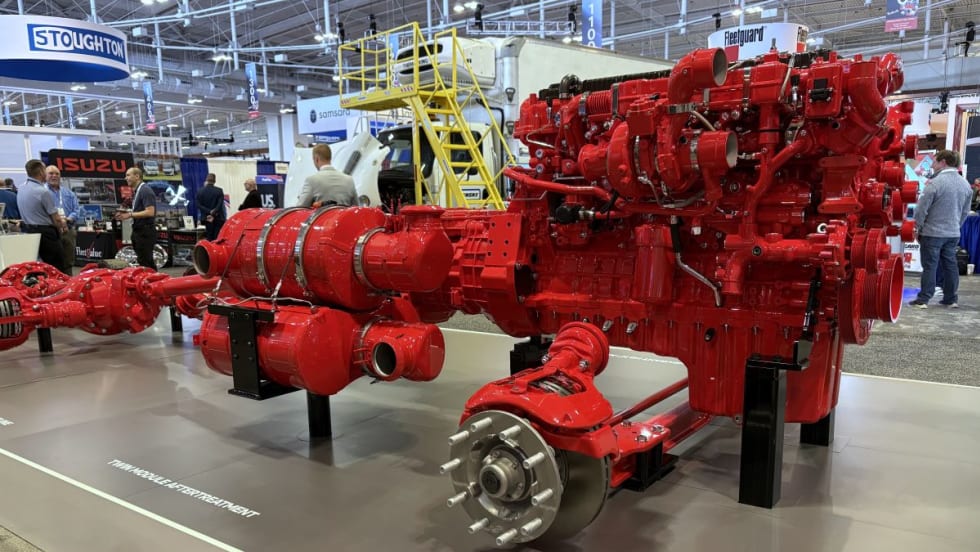
Cummins Adjusts 2027 Engine Rollout After EPA Proposal
The engine maker will gradually introduce its new Model Year 2027 diesel engines while continuing to offer current models during the transition, citing the EPA's proposed emissions rule changes.
Read More →
Aurora Rolls Out Next Generation of Driverless Trucks for Commercial Freight
Aurora's latest autonomous trucks it's rolling out with International feature lower-cost hardware designed for a million miles as the company expands commercial driverless freight operations across the U.S. Sun Belt.
Read More →

Peterbilt 589 Spotlight: A Close Look at a Custom Working Truck [Video]
There's more to this customized Peterbilt Model 589 and Great Dane refrigerated trailer than chrome and stainless (although there's plenty of that too!) A veteran driver explains the design choices and practical features behind this working truck.
Read More →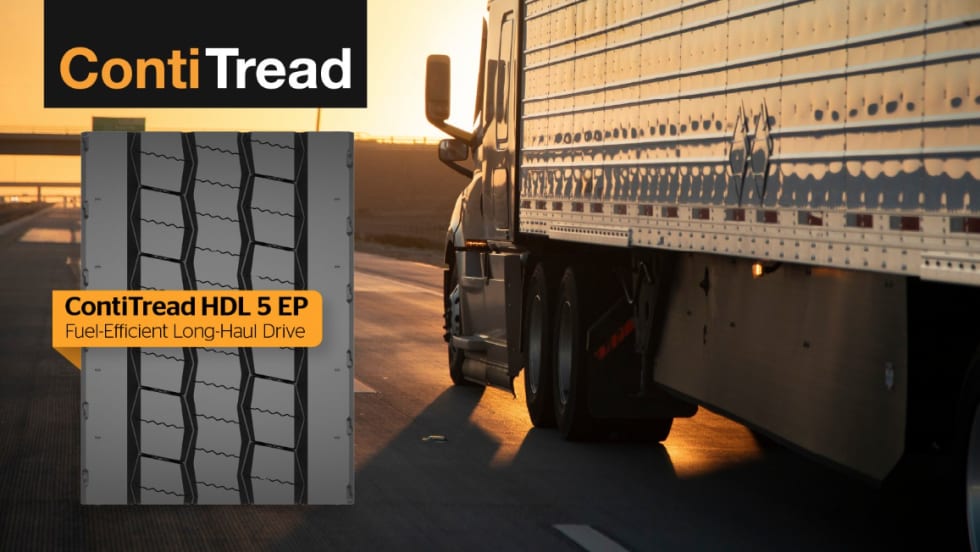
Continental Expands Retread Lineup With New ContiTread HDL 5 EP
New long-haul drive retread is designed to improve fuel efficiency, extend tread life, and lower fleets' cost per mile.
Read More →
EPA Proposal Could Ease 2027 Truck Costs and Buying Uncertainty
The proposal doesn't change the tougher NOx standard, but it would revise key implementation requirements that manufacturers say have driven up costs and complicated fleet purchasing decisions.
Read More →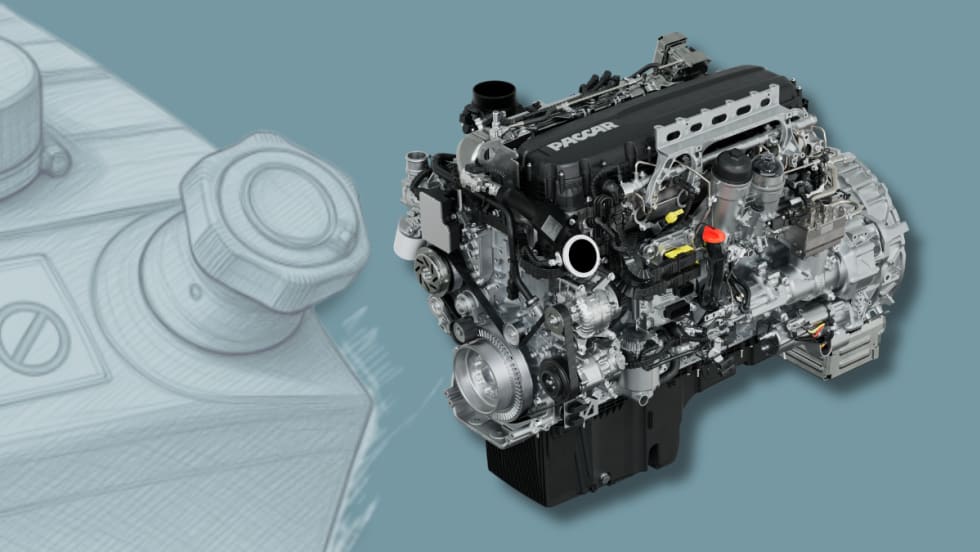
Cummins, Paccar Ease DEF Derates After EPA Guidance
Updated diesel engine software gives truck operators more time to address emissions-system issues while staying compliant with EPA emissions standards.
Read More →
America at 250: How the Truck Helped Connect a Continent
America was founded on revolutionary ideas, but it was built by movement. For 250 years, the nation has depended on ever-better ways to move people, products, and prosperity across a vast continent. No machine has carried that mission further — or more faithfully — than the truck.
Read More →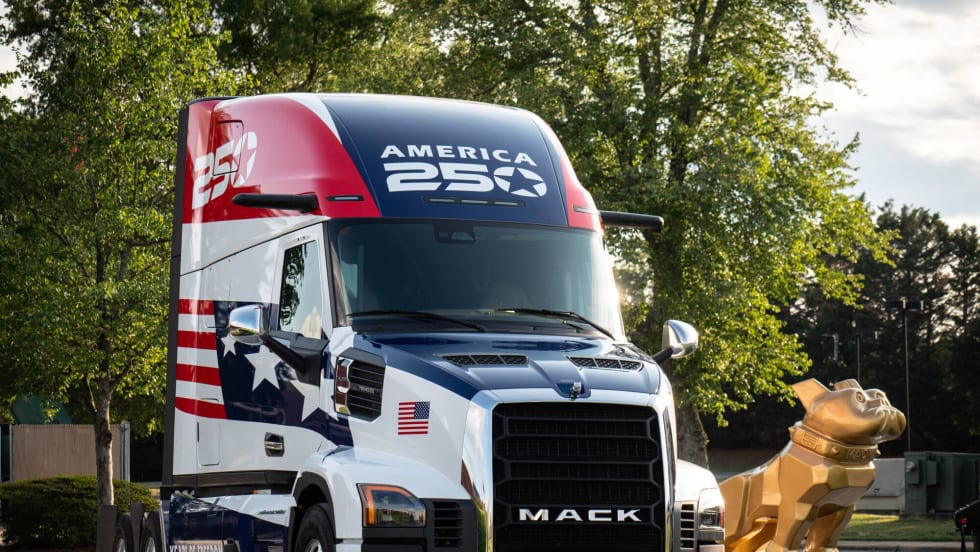
Mack Unveils America 250 Tribute Truck to Celebrate Nation's Semiquincentennial
Just in time for the Fourth of July! Mack unveils a brand-new patriotic, limited-edition, red, white, and blue truck wrap.
Read More →
Enhance Fleet Performance with High-Efficiency Auxiliary Power Units
Drive sustainable cost savings while increasing driver comfort during short- and long-haul logistics operations.
Read More →