




Keeping An Eye Out
Highway Watch makes truck drivers part of the national intelligence structure.
Airplanes were the weapons in the Sept. 11, 2001, terrorist attacks, but there's no doubt among national security experts that the country's surface transportation systems provide multiple opportunities for terrorism. To address that danger, law enforcement and the trucking industry hope to enlist the help of professional truck drivers through a program called Highway Watch.
Highway Watch actually began as a safety initiative by the American Trucking Associations in 1998. According to program spokesman John Willard, it was modeled after a handful of state programs aimed at getting truck drivers to notify law enforcement officials of accidents and road hazards. Drivers received training on accident reporting and were given special numbers to call when they spotted a problem.
ATA picked up on the notion and began working on a plan to take it nationwide. An anti-terrorism component was added after 9/11.
Today the program is administered by ATA but funded by the U.S. Department of Homeland Security. There are approximately 300,000 Highway Watch members, and the program has been expanded to include bus drivers and other transportation workers as well as truck drivers.
Participation is surprisingly easy. Highway Watch offers classroom instruction, or training is available on DVD, video cassette, audio CD and audio cassette. Some drivers complain that the material is too basic or that it doesn't teach them anything they don't already know. They may be right, but the course is also a good way to raise awareness – to remind drivers that the stranger asking questions may be more than just a friendly tourist.
If used correctly, the training can also be an effective platform for further discussion. Willard says classroom training is most effective because it facilitates questions and conversation. If drivers can't attend Highway Watch classes, he recommends that carriers show the DVD or video in a group setting, such as orientation or a safety meeting. Audio programs are the least desirable format because drivers miss some important visuals but, as Willard points out, it's better than nothing for those who can't get to a training session or simply prefer to listen on their own.
All training and training packages are free. Upon completion of the course, participants fill out a registration form and are assigned an identification number.
In the training, drivers learn how terrorists operate. They learn to spot suspicious activity and what kind of information is needed to help law enforcement. Perhaps most important, they're given access to two important communications tools: the HWW Call Center and the Highway Information Sharing and Analysis Center. In emergency situations, Highway Watch members call 911. Otherwise they call the 24/7 Call Center, which forwards their report to the appropriate law enforcement agency. Security-related reports are also forwarded to the Highway ISAC, where experienced security professionals assess and analyze the information. Working with Homeland Security and other intelligence and law enforcement agencies, ISAC determines who should be notified and what, if any, action should be taken.
One reason the terrorists were able to orchestrate 9/11 was that intelligence and law enforcement agencies were not able to share and compile bits of information that might have indicated a trend, Willard notes. "That's where Highway ISAC comes in. If somebody in Arizona sees something, somebody in Minnesota sees something, and somebody in Florida sees something, and they all make reports to Highway Watch, that information is logged and ISAC is able to pick up a trend."
Even seemingly trivial incidents can be very important. One example: Highway Watch received several separate reports from tank truck drivers in Florida who had been approached by a man asking questions about their destinations and loads. ISAC contacted Florida officials and determined that the individual was someone they had been seeking for over a year. ISAC issued a Be-On-The-Look-Out to Highway Watch members and law enforcement. The man was apprehended within 48 hours.
Another example of how the program works: In the Midwest, a Highway Watch trucker was helping a driving school do evaluations of supposedly experienced owner-operators. He became suspicious when he discovered that they lacked even basic driving skills. Further checking turned up questions regarding their CDLs, so the trucker called Highway Watch. Working with federal authorities, ISAC determined that the individuals were illegal immigrants and some were potentially on the terrorist watch list. The case was turned over to the FBI for further investigation.
Drivers, dispatchers, recruiters or anyone else who works in the transportation industry is eligible to become a Highway Watch participant. Training is available to individuals as well as companies, so company sponsorship isn't necessary. Making the program so accessible raises a concern that Highway Watch may end up "training" terrorists, but Willard isn't worried.
"The goal of the program is to keep the transportation industry safe and secure – to keep it from becoming a target," he says. "We want terrorists to know that this program exists. We're not giving away state secrets, but we want them to know that there are almost 300,000 individuals today who have been trained in the program. If terrorists try to target this industry, there's a good chance they're going to run into someone who is in the Highway Watch program."
As for drivers, Willard has an equally strong message: "We know the trucking industry has been targeted. This program allows drivers to be part of the national intelligence structure. It allows their reports to be taken very seriously by law enforcement and homeland security. It means that something a driver sees and reports may someday save someone's life. It's an hour of your time and it doesn't cost anything. That's a small price to pay to help keep America safe."
More information about Highway Watch can be found at www.highwaywatch.com or by calling (866) 821-3444.
More Fleet Management

How Innovative Trucking Leaders Turn Change Into an Advantage
As the pace of change accelerates in trucking, the fleets that adapt best have more than the latest technology. They have cultures that embrace improvement.
Read More →
Freight Broker Bonds Just Got Harder to Get. Here's What That Means for Your Fleet.
When it gets harder for a freight broker to prove they are financially sound, the ones who cannot clear that bar get pushed out of the market. And those are exactly the brokers who used to leave motor carriers holding the bag.
Read More →
Long-Awaited Canadian Border Bridge to Open in Detroit
For trucking, the bridge opening should offer immediate improvements in efficiency and reliability, with new customs facilities, expanded inspection capacity, and direct freeway-to-freeway connections.
Read More →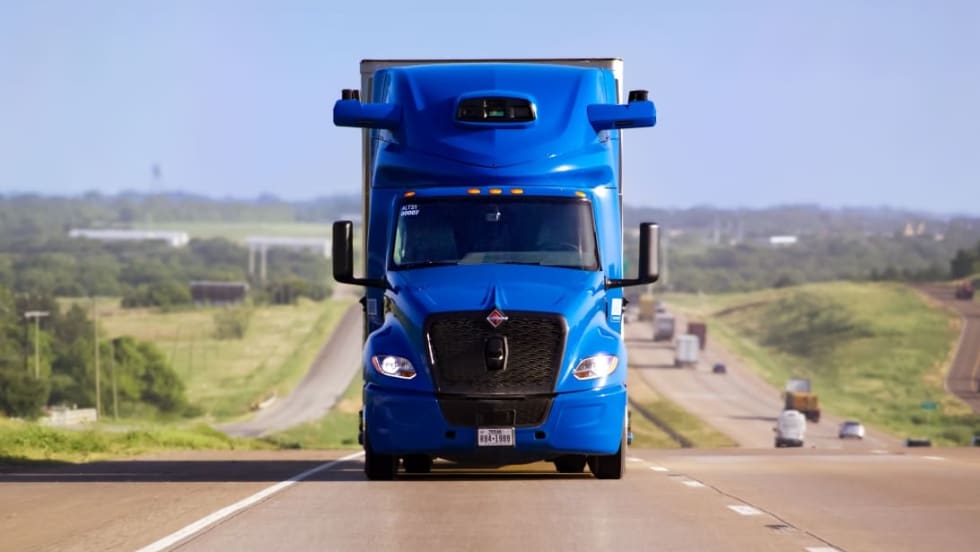
Aurora Rolls Out Next Generation of Driverless Trucks for Commercial Freight
Aurora's latest autonomous trucks it's rolling out with International feature lower-cost hardware designed for a million miles as the company expands commercial driverless freight operations across the U.S. Sun Belt.
Read More →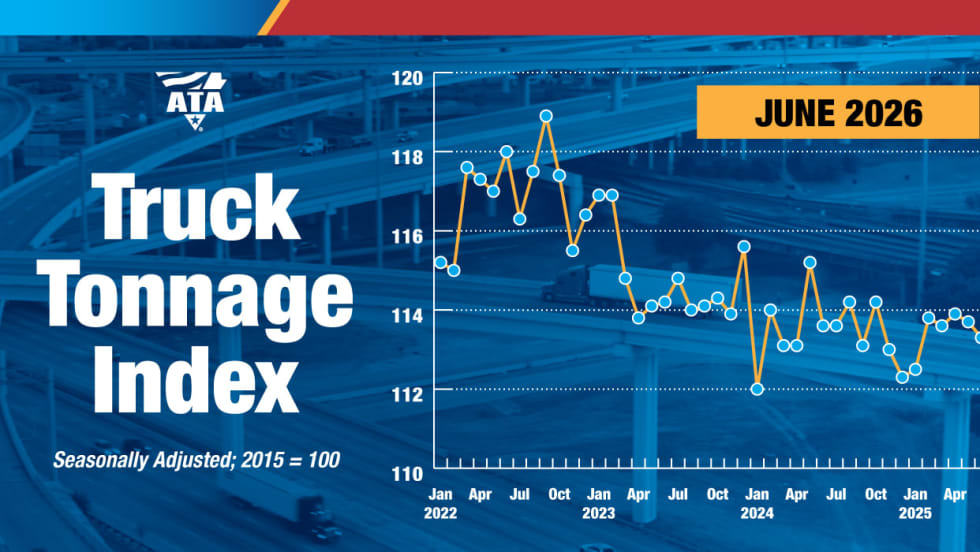
Freight Tonnage Down, Rates up, as Lower Capacity Powers Trucking Recovery
The recovery from the freight recession continues to be driven by reduction in capacity rather than by increased demand.
Read More →
Think Your Trucking Fleet Isn't Using Much AI? Think Again
Shadow AI — the use of unauthorized artificial intelligence tools at work — is becoming increasingly common, putting sensitive company data at risk. Learn how trucking fleets can protect sensitive data while embracing AI.
Read More →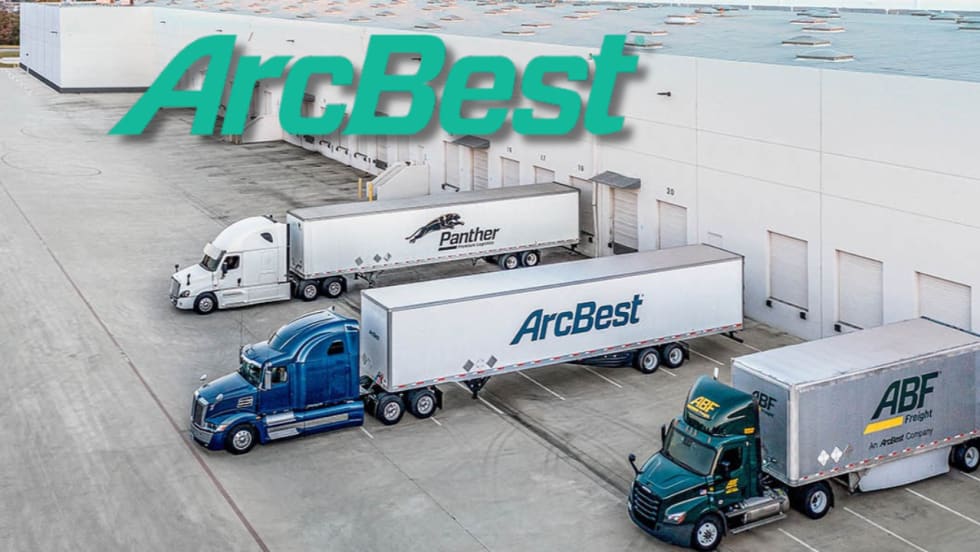
ArcBest Consolidates Brands, Cuts Workforce
The company will bring three business units under the ArcBest brand, eliminate about 2% of positions, and expects the changes to generate $40 million in annual savings.
Read More →
Trucking Fleets Faced Record Operating Costs During Third Year of Freight Recession
ATRI's annual operational cost report shows carriers trimmed fleets, delayed equipment purchases, and ran older trucks as expenses continued to outpace freight rates.
Read More →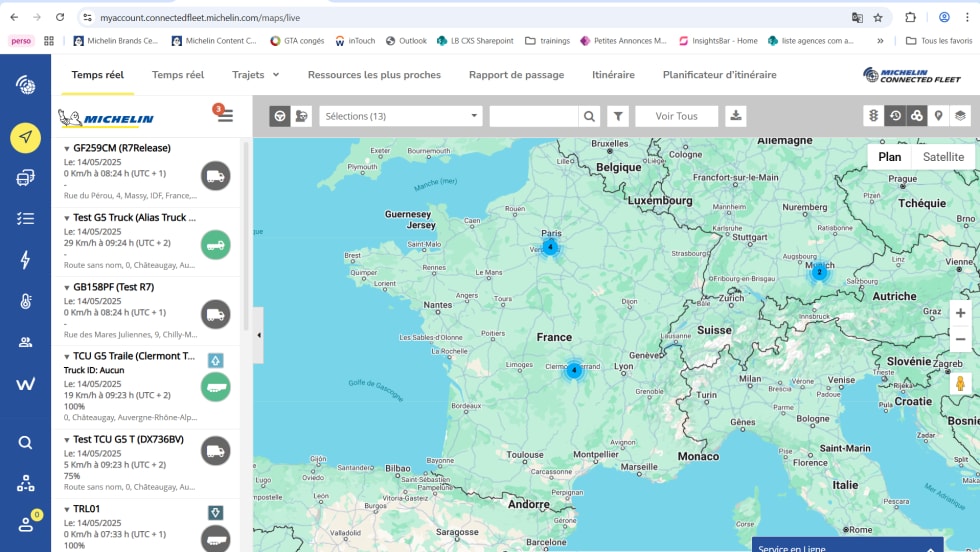
Michelin Adds AI Assistant to MyConnectedFleet Platform
Michelin’s new generative AI tool delivers instant fleet insights, helping managers analyze fuel use, tire maintenance, vehicle status, and operational performance without manually creating reports.
Read More →
LytxOne Platform Now Features AI, Compliance, and Asset Tracking Tools
New enhancements add AI-powered insights, asset tracking, compliance automation, and configurable privacy controls to Lytx's all-in-one fleet management platform.
Read More →