How Estes is Using Data and AI to Revamp its LTL Operations
Estes Express Lines is using artificial intelligence and near-real-time data to optimize its LTL operations, from first-and-last-mile to linehaul to dock operations.
Estes started out its LTL optimization with products to better utilize drivers and lanes. Now it's adding near-real-time and AI capabilities.
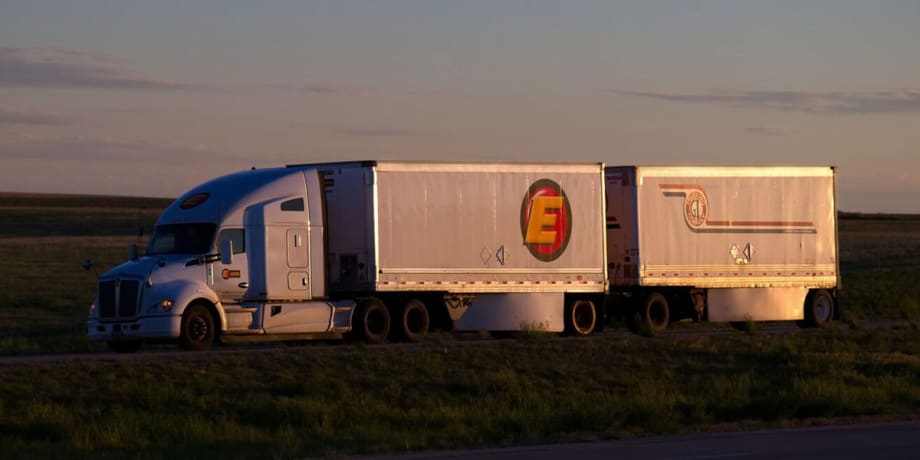
Photo: Estes Express Lines
4 min to read
The complexities of less-than-truckload operations make you wonder how companies managed it before computers. Today, artificial intelligence and near-real-time data are being harnessed by Estes Express Lines to optimize its LTL operations, from first-and-last-mile to linehaul to dock operations.
Ad Loading...
Within the past two to three years, Estes has implemented two products from Optym for middle-mile planning:
HaulPlan, which optimizes linehaul load plans and schedules.
DriverPlan, used to manage, optimize, and maintain linehaul driver schedules.
Ad Loading...
After seeing the benefits of those solutions, Estes is now working with Optym to implement an entire LTL suite of products and to help Optym develop a new dock-optimization product:
RouteMax, areal-time pickup and delivery solution to optimize routing, dispatching, and driver management.
LiveHaul, a real-time dynamic linehaul optimization solution that assists in linehaul scheduling.
DockAI, a real-time dock management system that uses optimization and AI to reduce operational costs and increase processing capacity.
Frictionless Shipping
“We’re always looking for new ways to help make shipping frictionless for our employees and our customers,” says Josh Newton, senior director, fleet and operations IT at Estes. “Historically, it's been through custom-building solutions in house."
Most third-party offerings that were previously available, he says, didn't have a good understanding of the LTL space. But Optym does, he says.
HaulPlan and Driver Plan have resulted in better utilization of both drivers and lanes, "identifying empty lanes and those things that allow us to move freight across our network in the most efficient way. And that’s really been a game-changer for us.”
Ad Loading...
LiveHaul, he says, takes that linehaul planning and makes it more dynamic, using algorithms and near-real-time data.
Estes is in the process of adding a real-time pickup and delivery (P&D) optimization solution.
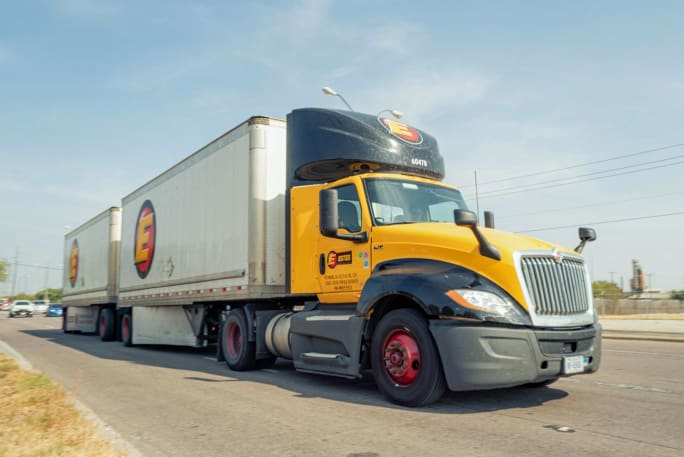
Photo: Optym
Traditionally, Newton says, linehaul operations have been planned using historical information.
“But LiveHaul can take in what is actually in your network in a near-real-time kind of way and start to suggest adjustments to your plans based on which freight you're actually seeing coming in, not just by looking back.”
On the Docks
As Estes works with Optym on developing DockAI, Newton says, it’s critical to make sure the system actually makes things better for the dockworkers and dock supervisors who will be using it.
“We’re putting together focus groups that are really centered around the subsets of users of these applications, and really getting all of their feedback on the tools that they work with today. What do they love about it? What are the pain points that they have?" Newton says.
Ad Loading...
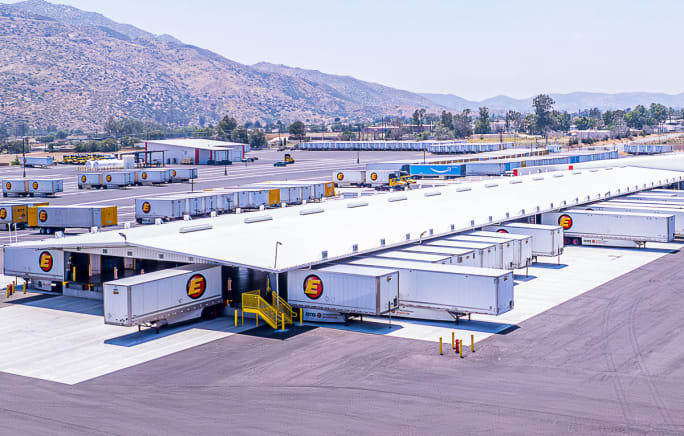
Estes is working with Optym on a new dock-optimization product.
Photo: Estes Express Lines
"We’re really driving for that experience to be a pleasant one, to make their lives easier, and that we put a tool in that fits the way that we want our business processes to really flow.”
Without taking that kind of approach, “It’s really easy to put technology out there that doesn't actually improve the user’s day-to-day life.”
Matching Tech to Business
In talking about the Estes-Optym collaboration, Newton praises Optym’s willingness “to adjust it to make sure that we're mapping to where we’re going as a business as well.”
Estes Fleet Snapshot
Who: Estes Express Lines
Where: Richmond, Virginia
Fleet: More than 9,500 tractors and 34,000 trailers
Operations: The largest privately owned LTL in North America with more than 10,000 doors and 280 terminals.
Fun Fact: Estes is the first LTL carrier to participate in the pilot of Remora, a new onboard carbon capture technology.
Challenge: Optimize LTL operations using AI
“It’s really easy in the technology space to lose sight of what's actually happening on a day-to-day basis out in the field,” he says. “We have terminal locations all across the country. So sometimes it's really easy to look at how something should happen, versus what’s actually happening out in a terminal.”
“You can't just have your technology in your workflows map to what you think is what should happen most of the time,” he explains. It’s vital for the system to have the flexibility needed to deal with unexpected situations.
Ad Loading...
For instance, he says, if a load shows up at the dock that’s supposed to be three pallets but it’s actually four, “You've got to be able to handle that exception in a clean way.”
Or sometimes, dock workers have to break down a single pallet into multiples to better use the cubic capacity of a trailer. “As you start to split those things, you've got to make sure that your systems can enable you to do that.”
Supporting Growth
It’s also important to make sure that the technology supports Estes’ growth.
“We're a growing company, and technology has to be able to, at the bare minimum, not hinder, and it really needs to be helping to drive that enablement for our users,” he says. “A lot of times, it’s as simple as taking a step back and making sure that we're making the right long-term decisions, architecturally, as well as making sure we understand where the business is truly going.”
Newton says he spends a lot of time working with business leaders on the operations side of the company to make sure he understands the vision of where Estes is going from a business perspective.
Ad Loading...
“That way I can work with the IT team to make sure that we are preparing architecturally. Because if we’re not preparing for it, it’s really hard to [do it] ad hoc. You end up with a lot of short-term solutions that become technical debt and pain down the road.
“So that’s a really big focus in our world, making sure that we have that true alignment with the vision of where Estes is going to make sure that we can get ahead of the curve.”
For fleet managers and collision repair professionals keeping heavy-duty trucks on the road, getting the color right the first time isn't just about appearance — it's about efficiency, turnaround time, and bottom-line results. Discover how today's digital color tools are transforming the repair process from guesswork to precision.
Carriers whose updates were due on or after June 1 have more time, while FMCSA works to stabilize its new registration system and warns of phishing sites impersonating its new carrier registration system, Motus.
Cargo theft is no longer just the cost of doing business. It's a multi-billion-dollar criminal enterprise exploiting vulnerabilities across your fleet, drivers, and supply chain.
Explore how telematics help refrigerated fleets improve visibility, uptime, efficiency, compliance, and cargo protection across connected cold chain operations.
Escalating U.S.-Canada tariffs could disrupt cross-border freight, reduce truck volumes, raise costs, and create new uncertainty for carriers on both sides of the border.
The American Transportation Research Institute wants to know what's worrying trucking fleet managers, drivers, and other stakeholders in its annual Industry Issues survey.
HDT Truck Fleet Innovator Adam Buttgenbach helped PepsiCo build one of North America’s largest EV fleets by focusing on where electric trucks make operational sense.