




Fuel: Load It And Lock It
On December 11, Detective Rob Everett watches quietly from a distance as four men pump diesel fuel from a tanker into bladders mounted on two smaller trucks. They are on a remote access road in Florida.

On December 11, Detective Rob Everett watches quietly from a distance as four men pump diesel fuel from a tanker into bladders mounted on two smaller trucks. They are on a remote access road in Florida.

He lets the group finish filling the bladders, then makes his call. Police units move in and arrest the four, including the tanker driver. They had drained about 600 gallons-estimated worth over $2,000 retail-from the tanker, which was supposed to deliver its load to a bottling plant.
In late November, an owner-operator fuels up at a midwestern truckstop, parks for the night and beds down in his sleeper. He awakens to find the fuel cap lying on one of his saddle tanks, which is 100 gallons lighter. The fuel had been siphoned into a truck alongside, with a small, quiet electric pump.
Elsewhere, a company driver advertises on the CB, saying he's going to stop and eat. The deal: siphon what fuel you want from his rig, then meet him in the back to pay a couple of dollars a gallon-cash. He will file a stolen fuel report with his carrier.
In the west, a trucker pulls into a truckstop and sets the fuel pump for two transactions: tractor and reefer. He fills his tractor, pulls away and parks. His partner in the rig behind him moves up, fuels his tractor and heads for the highway. After a delay, the first driver goes inside to pay. When he gets the charge he points out that he has no reefer and refuses to pay for the second transaction.
Then there's driver misuse of credit cards. A typical scenario: the driver offers to fill up an owner-operator's tanks on his carrier's fuel card for a couple of dollars a gallon.
With fuel prices running over three bucks a gallon, such stories abound. Nobody's calling it an epidemic just yet, but it certainly seems to be headed that way.
Can anyone blame a normally honest, hard-working owner-operator for being tempted by cheap fuel?
"When it was two dollars a gallon, they wouldn't have done it," one truckstop fuel manager told us. "It all comes down to opportunity and need. If the opportunity is there and so is the need, that's when it happens."
But those independents have to be careful that they aren't victimized-just as the fleets are-by fuel thieves who will siphon anyone's tanks when given the chance. There are some simple actions both carriers and individual truckers can take to reduce the possibilities of losing fuel to thieves.
For one, some fleets give drivers wide-open fuel cards, with few or no restrictions. They can set limits on the cards and monitor them carefully.
And this one would seem to be a slam-dunk: Put locking fuel caps on your tanks, and hold the driver responsible for any lost fuel. If he's the only one who can open it on the road, then any theft would point to him. As for owner-operators, the one mentioned above who lost fuel while he slept could've avoided that loss if he had locking fuel caps.
Without locks, any truck can become a siphoning target when a driver walks away for a break, a meal or to freshen up. Example: When a driver leaves his cab with a towel and shaving kit, the thief knows he'll be in the shower for awhile.
Then there's the method one owner-operator used to discourage a thief. He was asleep in his tractor when, hearing a noise, he peeked out and saw a man siphoning fuel from his rig. He picked up his tire buddy and took matters into his own hands. The other guy probably won't be stealing any more fuel.
That worked for him, but a locking fuel cap would've saved him a lot of trouble. Unless you think diesel is going back to two bucks a gallon, wouldn't it be a good idea to check into some simple theft prevention mechanisms?
More Fuel Smarts
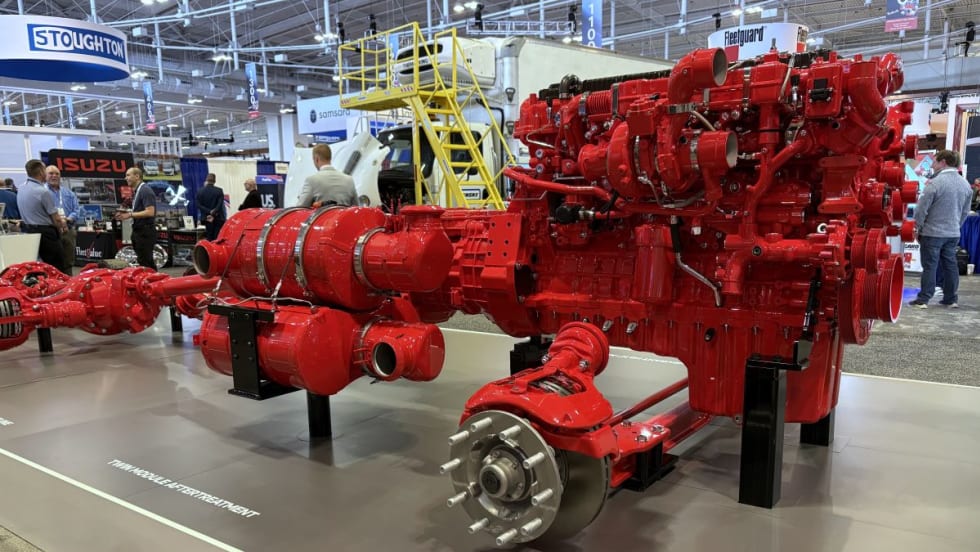
Cummins Adjusts 2027 Engine Rollout After EPA Proposal
The engine maker will gradually introduce its new Model Year 2027 diesel engines while continuing to offer current models during the transition, citing the EPA's proposed emissions rule changes.
Read More →
EPA Proposal Could Ease 2027 Truck Costs and Buying Uncertainty
The proposal doesn't change the tougher NOx standard, but it would revise key implementation requirements that manufacturers say have driven up costs and complicated fleet purchasing decisions.
Read More →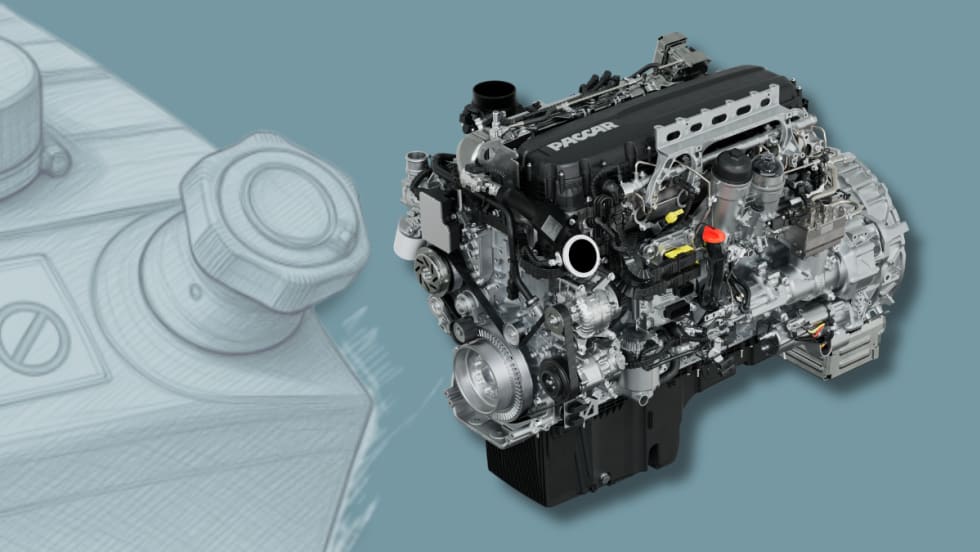
Cummins, Paccar Ease DEF Derates After EPA Guidance
Updated diesel engine software gives truck operators more time to address emissions-system issues while staying compliant with EPA emissions standards.
Read More →
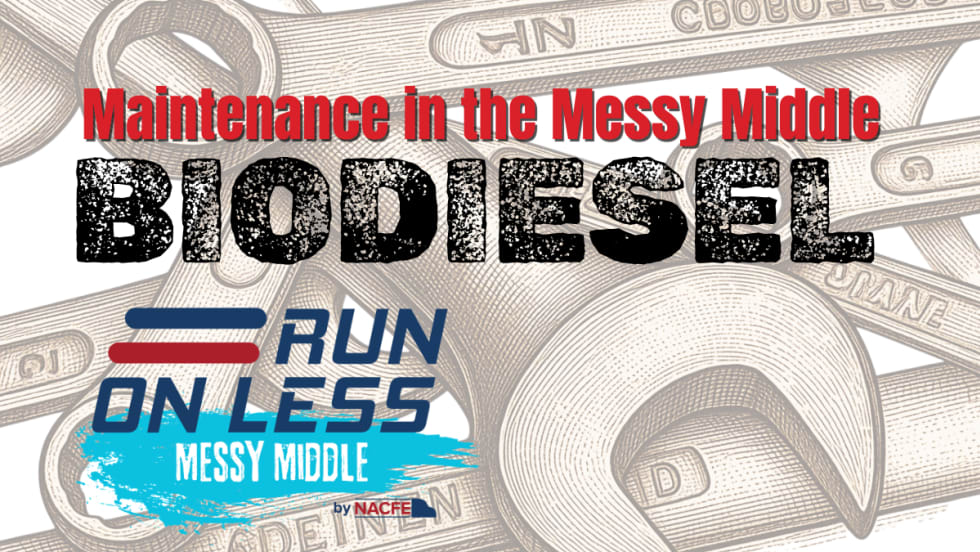
Maintenance in the Messy Middle Part 3: Biodiesel
Biodiesel can reduce emissions, improve fuel-system lubricity and use existing diesel infrastructure. But NACFE’s Messy Middle maintenance report says fleets must actively manage storage, cold-weather operation, filters and oil drain intervals to avoid problems.
Read More →
Enhance Fleet Performance with High-Efficiency Auxiliary Power Units
Drive sustainable cost savings while increasing driver comfort during short- and long-haul logistics operations.
Read More →
Maintenance in the ‘Messy Middle’ Part 2: Renewable Diesel Fuel
NACFE's latest Messy Middle Powertrain Service & Maintenance report says renewable diesel gives fleets an opportunity to reduce carbon emissions without changing trucks, fueling infrastructure or maintenance practices. But technicians still need to understand several important operational differences.
Read More →
The Diesel Engine Enters NACFE’s ‘Messy Middle’
NACFE’s new Messy Middle Powertrain Service & Maintenance report says keeping modern diesel engines running now depends as much on software, diagnostics and data as traditional mechanical service.
Read More →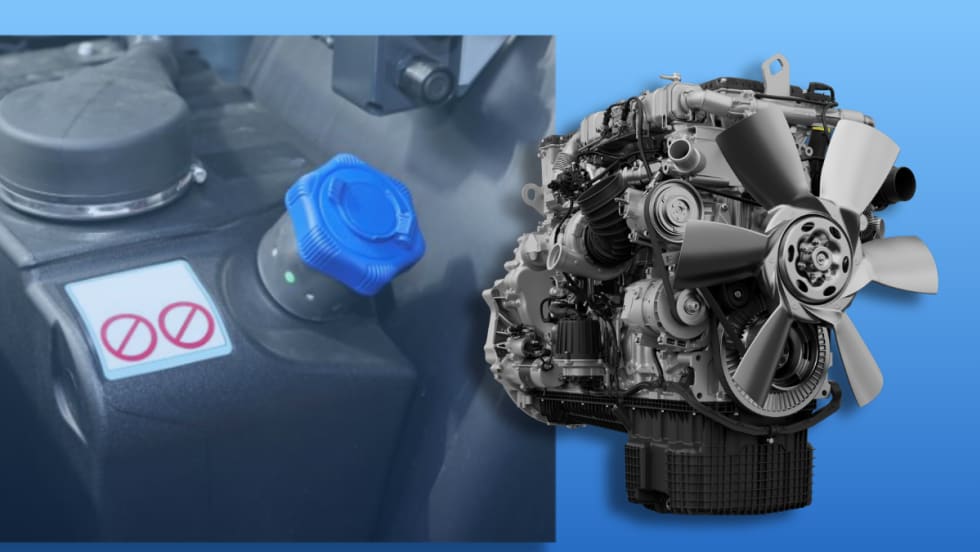
DTNA Software Update Gives Truckers More Time Before DEF Derates Take Effect
The changes reflect EPA guidance aimed at reducing downtime caused by emissions-system faults while maintaining compliance requirements.
Read More →
New Agentic Predictive Maintenance Report Demonstrates How Degraded Aftertreatment Systems Waste Fuel
Questar analyzed a large mixed-class fleet and discovered it was wasting as much as $30 in fuel per vehicle, per day, because of mechanically degraded aftertreatment systems.
Read More →
New York City's Microhub Project is Delivering Results
Trucking, last-mile delivery companies, and environmental advocates like what they are seeing so far with New York's microhub program.
Read More →