





Related: ELD Mandate - Exemptions, Uneven Enforcement Obscure Impact
Commentary: The ELD Mandate's Unanswered Question
Reactions to the long-delayed, long-debated, long-contested ELD mandate that took (partial) effect in December have been all over the map, finds Editor in Chief Deborah Lockridge.
February 13, 2018

Deborah Lockridge
3 min to read
"I refuse to ever put a devil’s machine in my truck.”

Deborah Lockridge
That’s what a three-truck fleet owner told me when he called to talk about mandatory electronic logging devices – and it wasn’t just a figure of speech. He said ELDs, along with computers and the Internet, will be Satan’s tool to control us all after the Rapture. The Federal Motor Carrier Safety Administration, he said, is being controlled by the Prince of Darkness himself.
I’m withholding his name, but my caller said he’s been driving for some 50 years and millions of miles and has a totally clean record, no tickets, no accidents. He also said God is his co-pilot – and perhaps he is, if this driver regularly drove coast to coast in 37 hours, as he claimed. As you might guess, he said he will not put an ELD in his truck.
I wonder how long that clean record will last.
As I write this, it’s been just over a month since the FMCSA started requiring most interstate commercial truck drivers to start using ELDs to track compliance with federal hours of service rules.
The reactions to the long-delayed, long-debated, long-contested ELD mandate that took (partial) effect in December have been all over the map, from this extreme example on one end, to FMCSA’s new deputy administrator saying that “a great deal of work with our enforcement partners went into ensuring that the rollout of the ELD rule was a success.”
The reality, as usual, is somewhere in the middle. Of course with any big regulatory change like this, there are going to be hiccups, to say the least.
You can read about a few of them in our Safety & Compliance department this month. For instance, there’s a fair amount of confusion among drivers and enforcement personnel about the difference between the mandatory ELDs and the previous FMCSA spec for voluntary e-logs, automatic onboard recorders (AOBRDs), which some fleets are still using during a two-year grandfathered period. Plus problems and misunderstandings with the electronic transfer of the logbook data.
We’ve also seen a lot of anecdotal reports of increased problems with truck parking, which many critics predicted. A number of fleets and specialty trucking interest groups have filed for and received various exemptions and delays. Owner-operators who are refusing to put ELDs in their trucks are traveling back roads to avoid scales and inspections.
A lot of this will work itself out, although it doesn’t make it necessarily less painful in the meantime.
The bigger question is whether the rule truly will save lives.
It’s no secret that even the safest truckers have told “white lies” on their paper logbooks that would allow them to, for instance, reach a safe parking spot at night when delays at a shipper or receiver put them behind schedule. Several truckers and fleets told me they’re now driving faster to make up for that time lost, which is a safety concern. In fact, ELD provider KeepTruckin found through analyzing ELD data and conducting surveys that 75% of drivers are detained at a pickup or drop off location for at least two hours every week – and that they drive 3.5 mph faster after such “extended detention events.” That’s why KeepTruckin petitioned FMCSA asking for a two-hour exemption for long-haul drivers delayed at a shipper.
In short, the real question lies with the hours of service rules themselves. How effective are they, really, at preventing fatigue? We’ll explore that question in a feature Equipment Editor Jim Park, a former driver himself, is working on for the March issue. My hope and belief is that ELD data will help answer that question. Because where the devil really lies, as they say, is in the details.
Subscribe to Our Newsletter
More Safety & Compliance
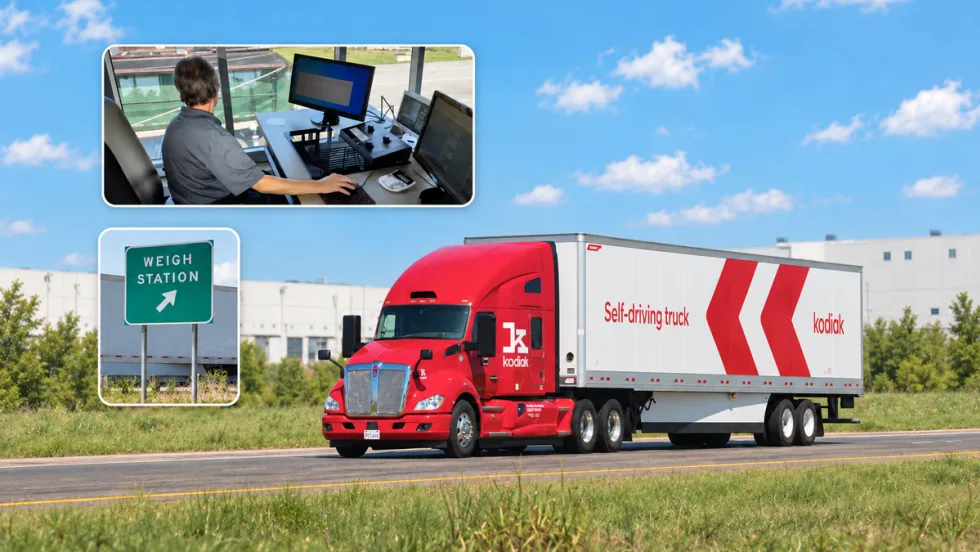
PrePass, Kodiak Connect Driverless Trucks to Roadside Enforcement
The system will allow enforcement agencies to verify Enhanced Inspection information and decide whether Kodiak’s autonomous trucks can bypass roadside screening sites.
Read More →
From One Generation to the Next: How Mentorship Builds Safer Truck Drivers
After three decades in trucking, Harold Perry shares what he's learned about driver safety, mentorship, and helping the next generation build confidence behind the wheel.
Read More →
FMCSA Pauses Biennial-Update Enforcement Amid Motus Transition
Carriers whose updates were due on or after June 1 have more time, while FMCSA works to stabilize its new registration system and warns of phishing sites impersonating its new carrier registration system, Motus.
Read More →
ZF Expands Commercial Vehicle Push in North America
ZF is expanding its North American commercial-vehicle presence with new transmission applications, electrification, trailer technology and autonomous-driving systems.
Read More →
Truck Drivers Need More Than Another Alert
Fleets have more visibility into truck health, safety events, and driver activity than ever. The next challenge is turning all that information into useful guidance for the person who has to decide what to do next.
Read More →
Tesla Wants a Self-Driving Semi. Are Cameras Enough?
Could Tesla’s camera-only autonomous driving technology work on an 80,000-pound Semi? In this commentary, HDT's Deborah Lockridge takes a look at Tesla, Cybercab, and how autonomous trucks see the road.
Read More →
What DOT’s Automated Vehicle Strategy Means for Trucking
The U.S. Department of Transportation issued a new automated-vehicle strategy that outlines plans for driverless-truck regulations, cross-state freight corridors, and federal safety standards.
Read More →
NYC Expands Speed, Pedestrian Safety Tech Across Fleet
New York City is expanding intelligent speed assistance and pedestrian-alert systems across its municipal fleet, moving the technologies from pilot programs into vehicle procurement and retrofit requirements.
Read More →
FMCSA Removes 110 Truck Driver Training Schools from Certified ELDT List
Federal regulators also are targeting more than 160 additional training providers and launching a nationwide audit of third-party CDL skills testers as part of a broader crackdown on trucking fraud.
Read More →
Beyond DOT Compliance: What Makes a Trucking Fleet Truly Safe?
A trucking fleet can follow every rule and still make unsafe decisions. The real test comes when safety conflicts with freight, productivity, or cost.
Read More →