




Chinese Truck Tire Investigation Shows ‘Pervasive Underselling at High Margins’
The International Trade Commission says there’s evidence of “significant” underselling of Chinese truck and bus tires from 2013 to 2015 – yet the ITC voted not to impose tariffs on those imported tires. What's behind their decision?

Photo: Jim Park

The International Trade Commission says there’s evidence of “significant” underselling of Chinese truck and bus tires from 2013 to 2015, and that the underselling margins generally increased over that time frame.
Yet, the ITC voted not to impose tariffs on those imported tires, saying, “We do not find that subject imports depressed U.S. producers’ prices to a significant degree.”
Here’s what HDT sister publication Modern Tire Dealer is learning as they wade through the ITC’s final report following its decision not to place tariffs on truck and bus tires from China.
In the final phase of its investigation, five domestic tire producers and 27 importers provided usable pricing data on four tires for drive applications (excluding all-position) tires:
size 11R22.5, 16 ply rating, load range of H, speed rating L (75 mph)
size 11R24.5, 16 ply rating, load range of H, speed rating L (75 mph)
size 295/75R22.5, 14 ply rating, load range of G, speed rating L (75 mph)
size 285/75R24.5, 14 ply rating, load range of G, speed rating L (75 mph)
The commission says prices for domestic truck and bus tires declined between the first quarter of 2013 and the fourth quarter of 2015 for both original equipment and aftermarket sales on all four of the specified products.
“While subject import prices also generally declined, the record does not support a finding that subject imports caused price declines for domestically produced truck and bus tires.
“In particular, the record indicates changes in the cost of underlying raw materials affect the price of truck and bus tires. By any metric observed, raw material costs fell by considerably more than the price of domestically produced truck and bus tires during the period of investigation. Between January 2013 and December 2015, the price of rubber, the primary raw material used in the production of truck and bus tires, fell precipitously.”
In that same two-year time frame, the ITC says the per-unit cost of the industry’s raw materials fell from $144 per tire in 2013 to $109 per tire in 2015, a decline of $35 per tire or 24.3%.
To compare, the average unit value of commercial tire sales dropped from $324 per tire in 2013 to $292 in 2015, a decline of $32 per tire or 9.9%.
“Further, the ratio of the domestic industry’s underlying raw material costs to the value of the industry’s total net sales fell from 44.9% in 2013 to 42.3% in 2014, and fell further to 37.6% in 2015, indicating that the industry received increasing revenues on commercial sales relative to underlying raw material costs over the period of investigation. Due to the magnitude of the decline in raw material costs, we do not find that the subject imports depressed U.S. prices to a significant degree.”
The commission also didn’t find evidence that the imported tires prevented price increases on domestic prices.
The ITC says the “pervasive underselling” by the imported tires from China didn’t prevent the domestic industry from increasing shipments. The truck and bus tires from China also undersold imports from other countries, but the ITC says shipments of tires from those other countries “increased at approximately the same rate” as the tires from China.
Joy Kopcha is senior editor and digital projects editor for Modern Tire Dealer, a Bobit Business Media publication where this report originally appeared.
More Equipment
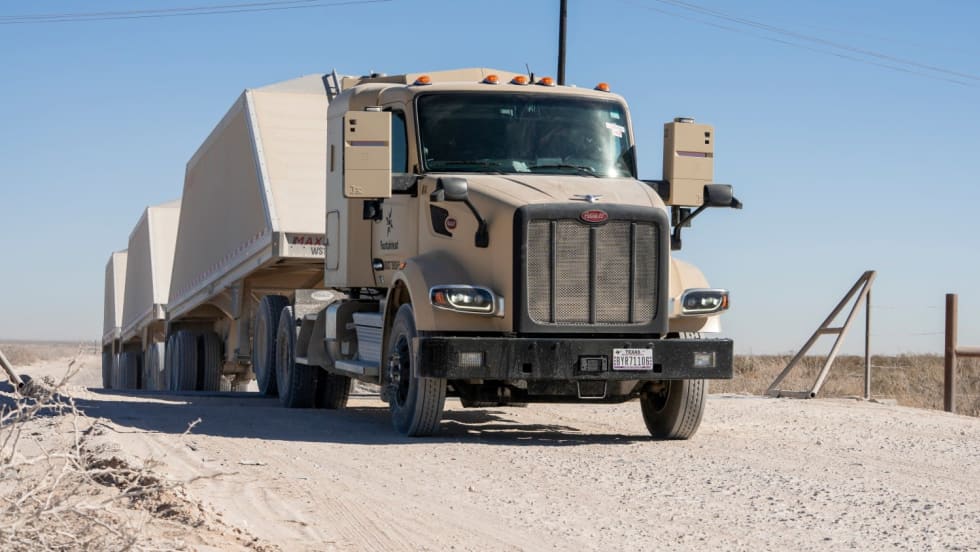
Atlas Expands Kodiak Driverless Truck Fleet in Permian Basin
Atlas Energy Solutions is expanding autonomous frac sand hauling in the Permian Basin with a second load-out location and plans for 100 driverless trucks by mid-2027.
Read More →
Putting Mack’s Command Steer to the Test
A test drive of Mack’s Command Steer active steering system evaluates how it can make truck driving easier and less tiring.
Read More →
Mack, Volvo Expand DEF Derate Software Updates
The updated software gives Mack and Volvo truck owners more time to address DEF-related issues before the engine derates or the vehicle goes into reduced-speed inducement, following new EPA guidance.
Read More →
Rush, MCT Team Up to Grow Refrigeration Service Network
The joint venture will operate MCT's network of Carrier Transicold dealerships and mobile service locations, with the companies promising greater service capacity and uptime for refrigerated fleets.
Read More →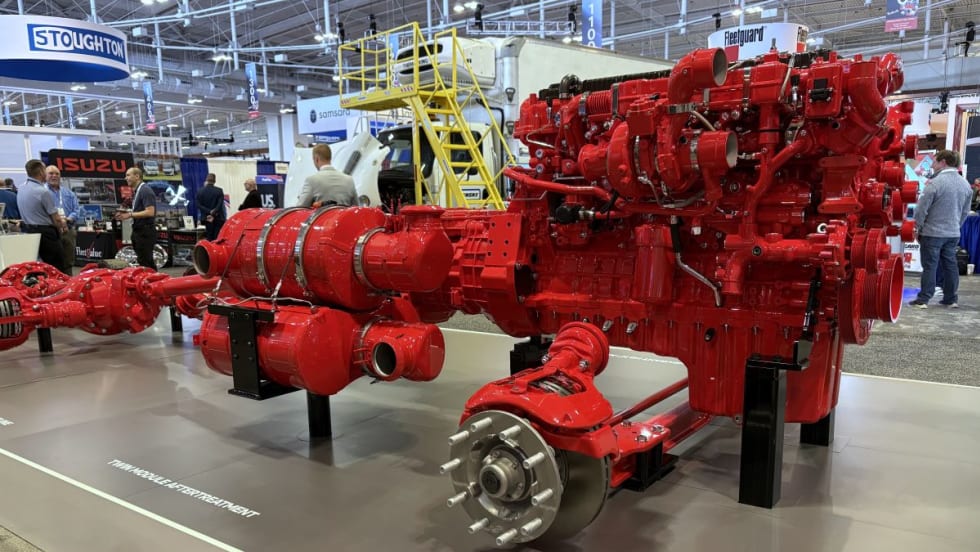
Cummins Adjusts 2027 Engine Rollout After EPA Proposal
The engine maker will gradually introduce its new Model Year 2027 diesel engines while continuing to offer current models during the transition, citing the EPA's proposed emissions rule changes.
Read More →
Aurora Rolls Out Next Generation of Driverless Trucks for Commercial Freight
Aurora's latest autonomous trucks it's rolling out with International feature lower-cost hardware designed for a million miles as the company expands commercial driverless freight operations across the U.S. Sun Belt.
Read More →
Peterbilt 589 Spotlight: A Close Look at a Custom Working Truck [Video]
There's more to this customized Peterbilt Model 589 and Great Dane refrigerated trailer than chrome and stainless (although there's plenty of that too!) A veteran driver explains the design choices and practical features behind this working truck.
Read More →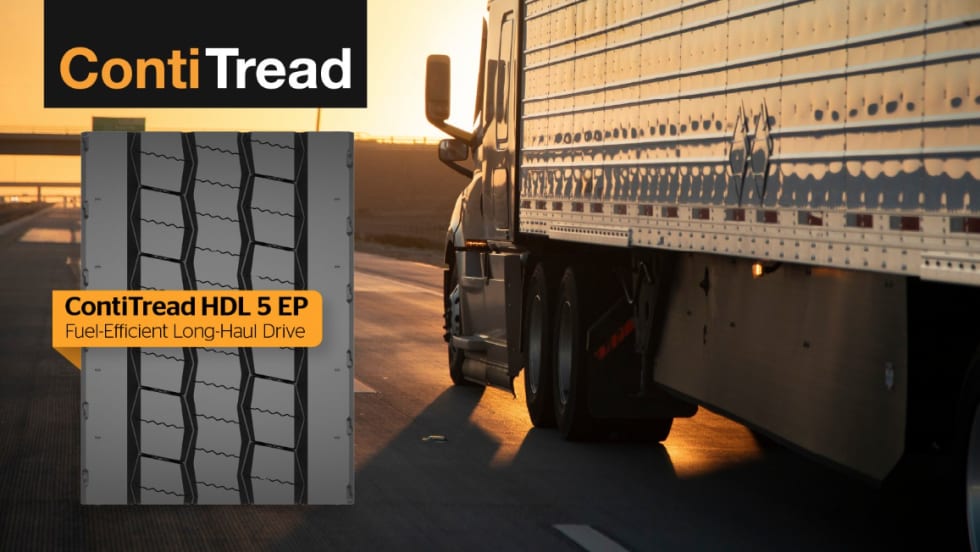
Continental Expands Retread Lineup With New ContiTread HDL 5 EP
New long-haul drive retread is designed to improve fuel efficiency, extend tread life, and lower fleets' cost per mile.
Read More →
EPA Proposal Could Ease 2027 Truck Costs and Buying Uncertainty
The proposal doesn't change the tougher NOx standard, but it would revise key implementation requirements that manufacturers say have driven up costs and complicated fleet purchasing decisions.
Read More →
Cummins, Paccar Ease DEF Derates After EPA Guidance
Updated diesel engine software gives truck operators more time to address emissions-system issues while staying compliant with EPA emissions standards.
Read More →