




Cat Trucks to Get Cummins SCR, But What About Big-Block Diesel?
The idea of Cummins parts in a Caterpillar machine seems odd, but the shrinking world of industry consolidation will result in the use of Cummins-sourced selective catalytic reduction equipment on the Navistar-supplied diesels in Cat vocational trucks

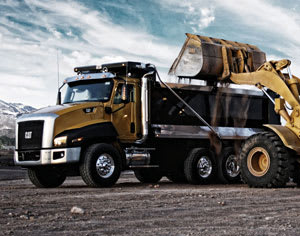
The idea of Cummins parts in a Caterpillar machine seems odd, but the shrinking world of industry consolidation will result in the use of Cummins-sourced selective catalytic reduction equipment on the Navistar-supplied diesels in Cat vocational trucks.
That doesn't bother George Taylor, director of Cat's Global On-Highway Truck Group. Cat dealer technicians will be trained to work on the urea injection equipment, just as they now maintain and repair current CT-660 components from various suppliers, he said.
Will the Cummins-red SCR gear be painted over with Cat yellow, as Navistar's gray engines now are for use by Cat? We'll see. But you can buy Cat trucks in red, blue, purple, green and almost any other color you want, even if some loyal customers specify Cat yellow.
Sales of Caterpillar's CT-660 trucks and tractors are going well, Taylor reported. Company policy prevented him from disclosing sales numbers, but he said they represent the slow, steady growth that fits with Cat's historic long-term strategy.
And Taylor is fine with the announced closing of Navistar's Garland, Texas, plant, which builds the Cat Trucks.
"Caterpillar as a global company has always spent a lot of time balancing production worldwide," he said. "And that the company [Navistar] is doing this to improve its health is a positive."
"The plan is to move production of the truck to Escobedo (in Mexico). Its an ISO plant and produces some of the best quality. We will go through a ramp down and a ramp up, probably in the March-April 2013 time frame," he said.
About that time Cat will phase in the SCR aftreatment equipment, which will come from Cummins Emissions Solutions. Navistar will also begin applying the gear to its own diesels.
Most CT-660s now get the 12.4-liter diesel that Navistar, which builds it, has named MaxxForce 13 and Cat calls the CT-13. Other Cat trucks get the 10.5-liter MaxxForce 11/CT-11.
However, Navistar is dropping the MaxxForce 15, which was due to be offered in the Cat Trucks. Instead it's using the ISX15 from Cummins in its Internationals. Using that in Cat trucks would be going too far. So what will Cat do for a big-block engine? They're not saying.
The industry is increasingly moving toward 13-liter engines anyway, Taylor noted. There are now more 13s than 15s sold industry wide. That's true with certain truck builders, who all have proprietary 13-liter-class diesels that they've made standard in many Class 8 models.
Some predicted the trend to the smaller size, even referring to their own 13s as "big-block" when that used to mean something with larger displacement, like 14s and 15s. The ones most enthusiastic about 13s had no 15s to sell, and that included Navistar until it relented about SCR and turned to Cummins for help with it, and for the ISX15 that some customers want.
To meet strict exhaust emissions limits, engineers at the builders have made great advances in combustion technology and electronic controls. These have also made 13-liter diesels far more powerful than in the olden days, when 400 or 430 horsepower was about it. Now the 13s make as much as 475, 485 and even 500 horses, with torque to match. Is any more power needed in a dump or mixer truck?
So maybe Cat doesn't need a 15-liter engine after all. Taylor didn't say that, but he did say, "On the 15th, will have an announce something by the end of this year.
More Equipment
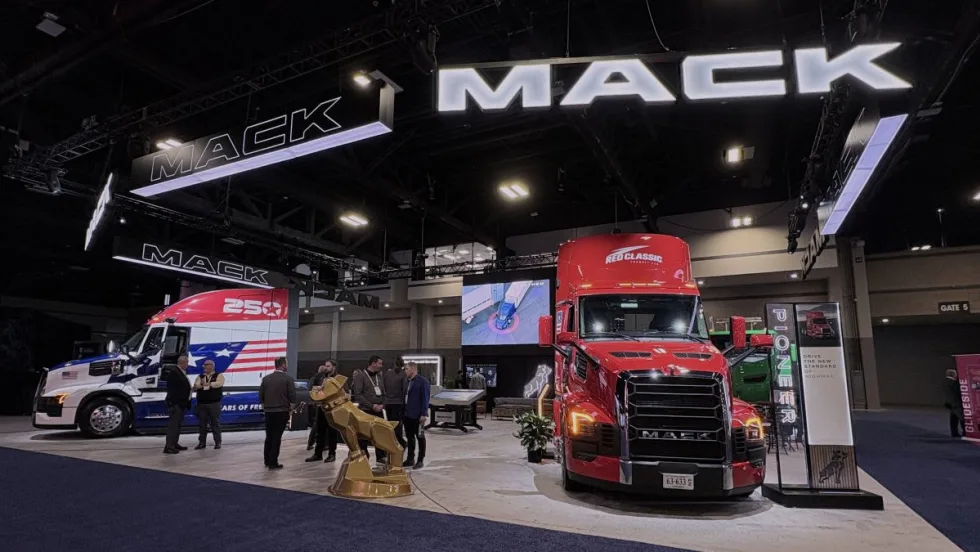
Trucks at ATA's 2026 MC&E in Charlotte, North Carolina [Photos]
From rigs decked out in patriotic America's 250 paint schemes to autonomous trucks and more, check out these photos from ATA's 2026 Management Conference & Exhibition.
Read More →
Help HDT Find Trucking’s Top Products
Have you come across a new product that could make a difference for trucking fleets? Nominate it for HDT’s 2027 Top 20 Products Awards by November 9.
Read More →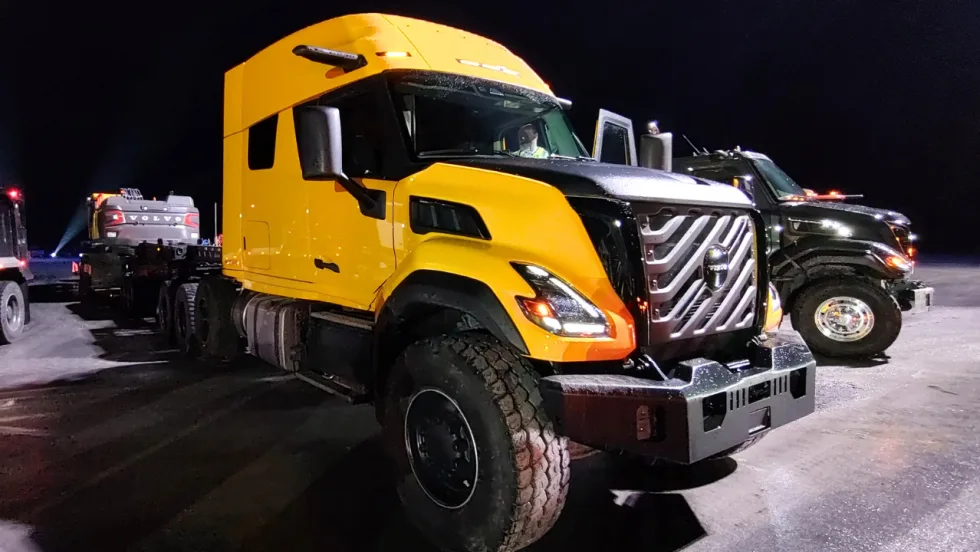
Volvo Unveils New VNX Heavy-Haul and Vocational Truck
Volvo Trucks has launched the VNX, a new vocational truck also available as a tractor in day cab and two sleeper configurations, with one heavy-haul model. The Volvo VNX is powered by Volvo's D13 platform, which delivers up to 540 horsepower and 1,950 pound-feet of torque and is EPA 2027-compliant.
Read More →
How GP Transco Cuts Trucking Fuel Costs, a Tenth of a Gallon at a Time
What’s another tenth of a mile per gallon worth? GP Transco shares how equipment upgrades and driver coaching turn small gains into meaningful fuel savings.
Read More →
Electric Yard Tractors Move Beyond Pilots
Operating-cost savings have overtaken sustainability goals as the leading reason surveyed fleets are adopting battery-electric terminal tractors, according to new NACFE research.
Read More →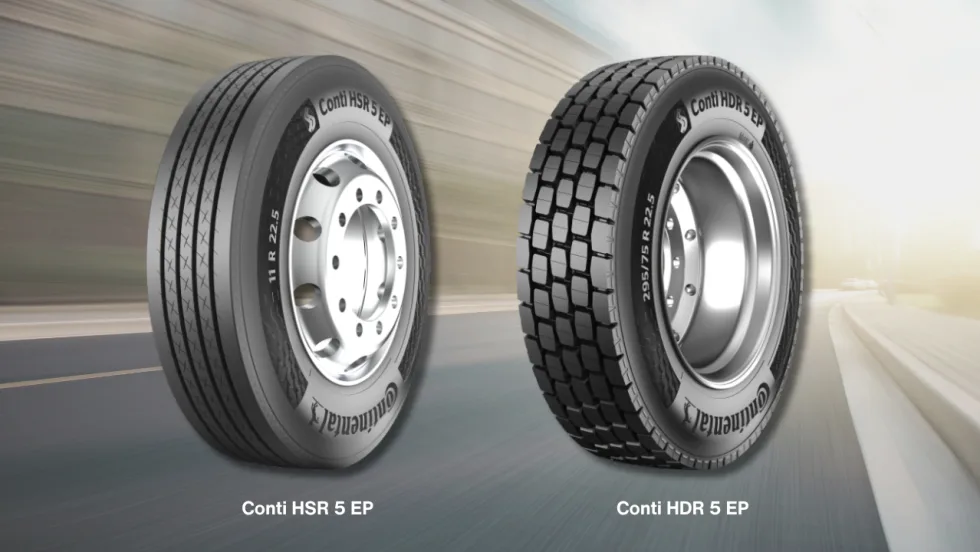
Continental Introduces New Regional Truck Tires
Continental says its new Generation 5 steer and drive tires for regional operations offer longer tread life, with estimated mileage gains of 22% and 19%, respectively.
Read More →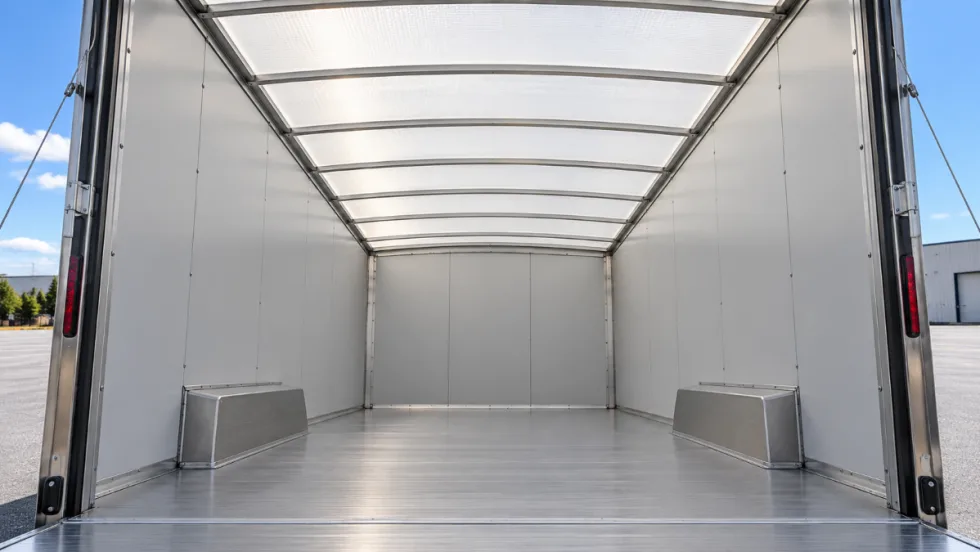
Tekmodo Introduces CargoBright Brand for Translucent Trailer Roofs
CargoBright is designed to diffuse daylight across the cargo area while performing as a working vehicle roof.
Read More →
Fleet Economics Shape Electric Truck Outlook
ACT Research expects costs, charging infrastructure, and technology improvements to drive zero-emission commercial vehicle adoption as federal regulations and incentives retreat.
Read More →
Kodiak Targets Dallas–Houston for Driverless Trucks
The company says its autonomous trucks are completing the I-45 run without a safety observer taking control. It plans to remove the observer by the end of 2026.
Read More →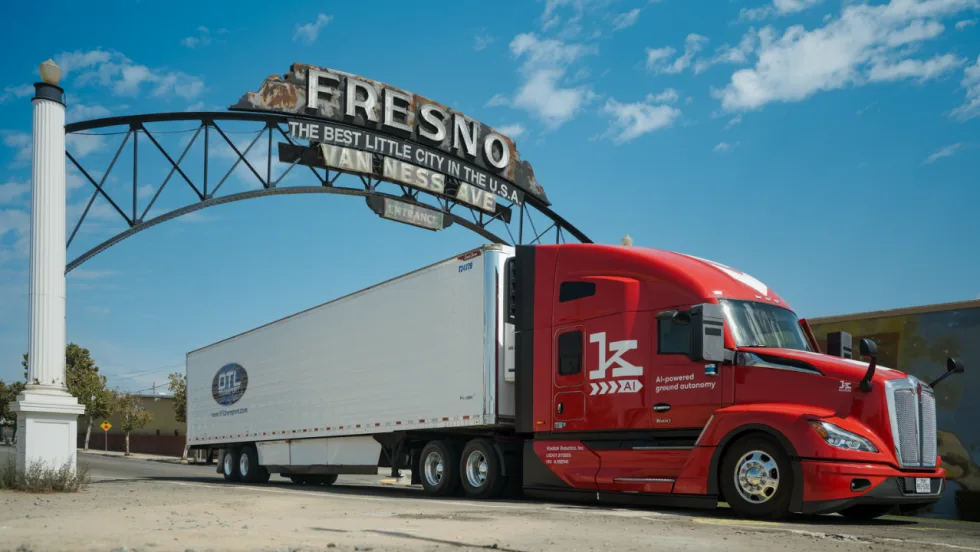
Kodiak Hauls Produce in California Autonomous Truck Pilot
Kodiak AI and DTL Transport have begun hauling produce between Fresno and Los Angeles under California’s new rules for testing heavy-duty autonomous trucks. A safety driver remains behind the wheel.
Read More →