




Carrier Reefers Meet EPA, CARB Standards
Carrier Transicold's Supra refrigeration units are now equipped with engines certified to the U.S. Environmental Protection Agency's Tier 4 standard.

Carrier Transicold's Supra refrigeration units are now equipped with engines certified to the U.S. Environmental Protection Agency's Tier 4 standard.
Carrier is now also offering an engine swap solution to comply with California Air Resources Board requirements for diesel truck refrigeration units.
The Tier 4 requirement, which took effect for 2008 model-year engines, reduces particulate matter output by 50 percent - down to 0.4 grams per kilowatt-hour, compared to the previous standard. The engines used on Supra units reduce the output an additional 40 percent. Depending on the model, they also reduce emissions of combined nitrogen oxides and hydrocarbons by 12 to 17 percent below the Tier 4 requirement.
Tier 4 engines are now standard issue for the Supra 550, 650, 750, 850 and 950, as well as Genesis R-90 units.
For trucks driven in California, the Tier 4 units comply with applicable CARB requirements. Additionally, for model year 2001 and older Supra units used in California that need to be "emission enhanced" for compliance with CARB this year, the Tier 4 engines can be used as replacements for older engines.
Supra units with the electric standby option can be plugged into an electrical supply at loading docks equipped with power drops with proper CARB documentation. Using the standby mode, engines can be shut down when parked, eliminating emissions, noise and fuel consumption.
More info: www.trucktrailer.carrier.com
More Products

Road Ready Becomes Saegic, Launches New Trailer Telematics Gateway
Clarience Technologies is rolling out new hardware and expanding its plans for connecting trailer telematics, maintenance data, and video.
Read More →
More Trailer Data Through the Same Seven-Way [Video]
Can trucking’s standard seven-way connector handle more cameras and trailer data? Grote’s Adam Slade shows HDT how the company is using new technology with its 4See trailer system, not only to add a new backup camera but also to expand other capabilities — without adding another connection.
Read More →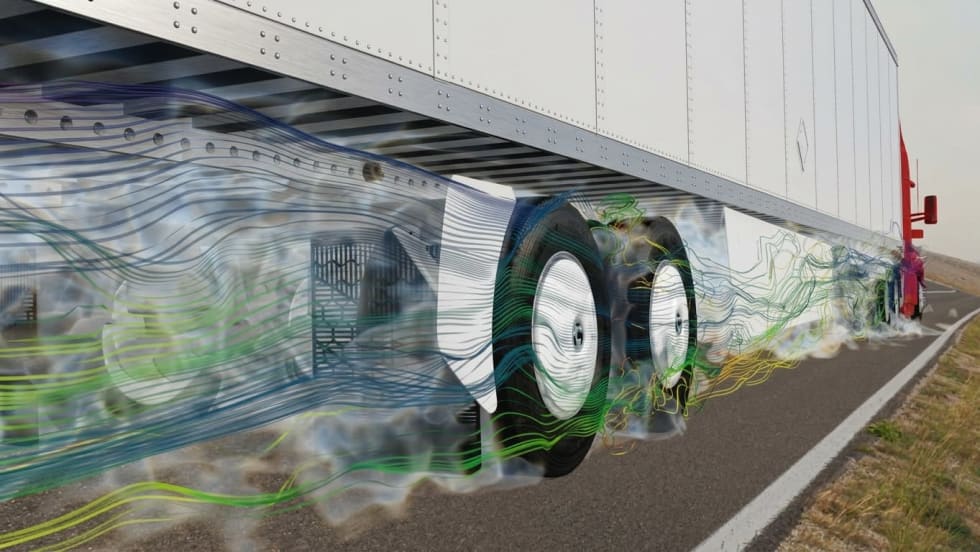
FlowBelow Redesigns Trailer AeroSlider to Cut Fuel Use
The lighter trailer aerodynamic system installs in less than 45 minutes, according to the company, with potential payback in under a year depending on fuel prices and trailer mileage.
Read More →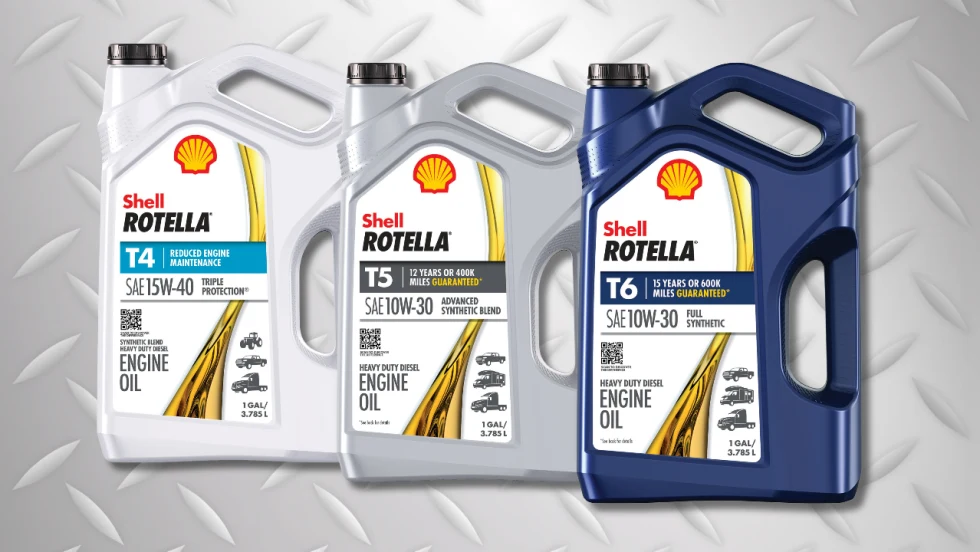
Shell Prepares Rotella Oils for 2027
New CL-4 and FB-4 formulations will begin arriving in early 2027, with improved protection against oil breakdown, wear and deposits, according to Shell.
Read More →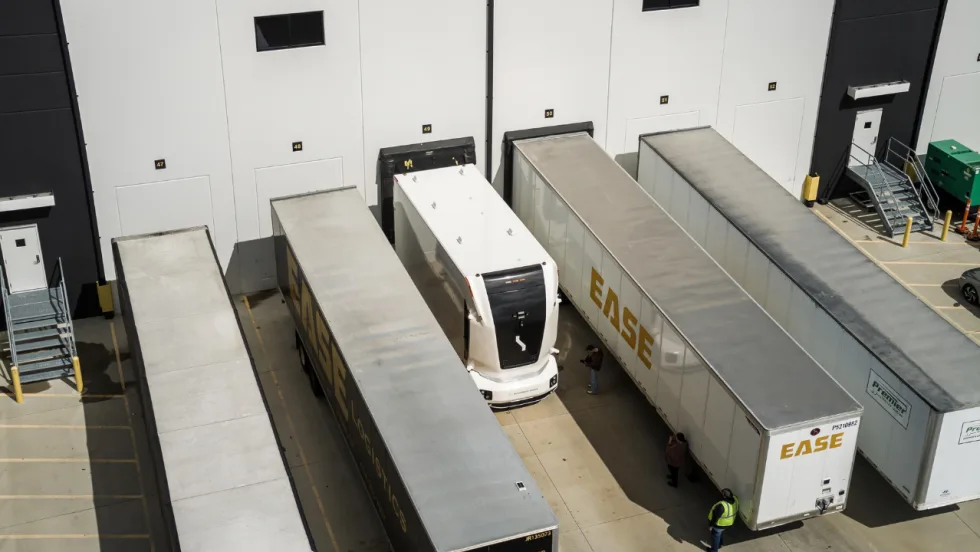
Einride Driverless Electric Trucks Begin Daily Freight Operations in Ohio
Two cabless electric trucks are hauling freight between EASE Logistics facilities in Marysville, Ohio, as part of a multi-state truck automation project.
Read More →
Continental Introduces New Regional Truck Tires
Continental says its new Generation 5 steer and drive tires for regional operations offer longer tread life, with estimated mileage gains of 22% and 19%, respectively.
Read More →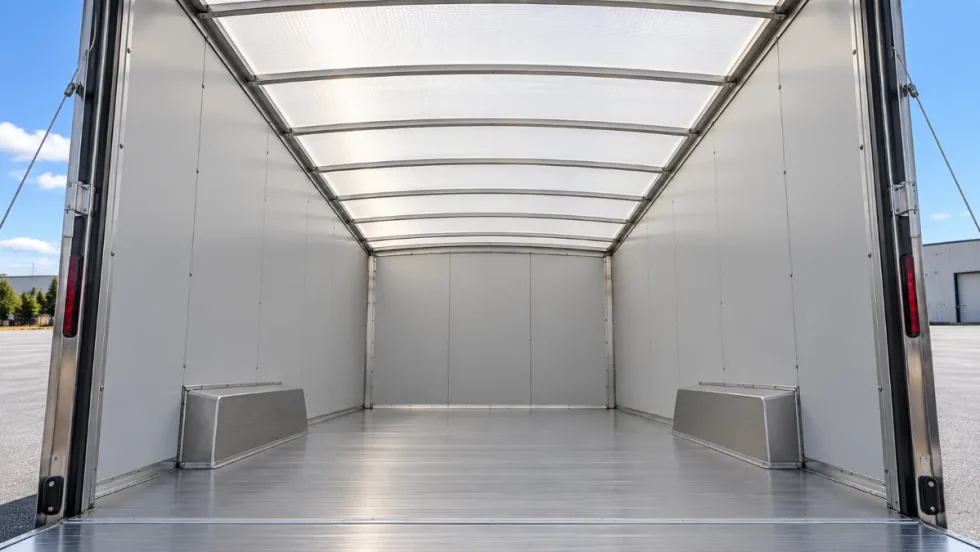
Tekmodo Introduces CargoBright Brand for Translucent Trailer Roofs
CargoBright is designed to diffuse daylight across the cargo area while performing as a working vehicle roof.
Read More →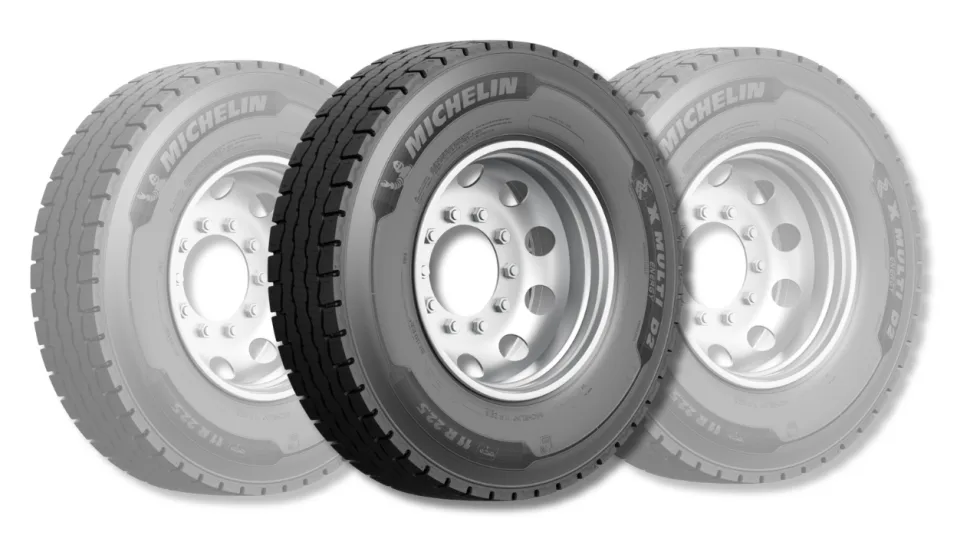
Michelin Tire Improves Efficiency and Durability for Regional Fleets
The Michelin X Multi Energy D2 is a regional haul drive tire engineered to help fleets improve fuel efficiency, durability and traction in demanding stop-and-go operations.
Read More →
What Geotab's New AI Connector Means for Fleets
Fleets can now ask their usual AI assistants questions about maintenance, safety, fuel use, and vehicle performance, using their live Geotab data, and take action on the answers without leaving their preferred AI tool.
Read More →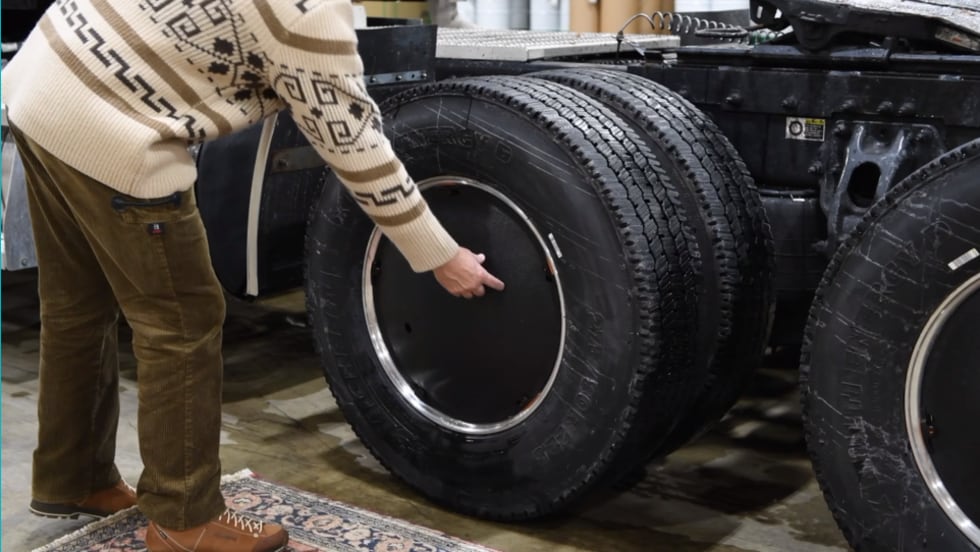
Deflecktor: Hubbub Aerodynamic Wheel Cover Cost-Effective Even for Trailers
Aerodynamic wheel covers can deliver small but meaningful fuel-economy gains for fleets, and Deflecktor says its latest design aims to make the technology easier and more affordable to deploy.
Read More →