




Brokers: Are You Compliant with the New Broker Bond Requirement?
As of Oct. 1, all FMCSA-registered freight brokers and forwarders must have proof of a $75,000 surety bond or trust fund. While much has been reported about the FMCSA’s 60-day phase in period, the fact remains you need a $75K bond or trust in place now in order to legally operate.
As of Oct. 1, the MAP-21 provision requiring all FMCSA registered freight brokers to provide proof of a $75,000 surety bond or trust fund is in effect. Federal law was also broadened to include freight forwarders who were not previously subject to the trust or bond requirement.
While much has been reported about the FMCSA’s 60-day phase in period, the fact remains you need a $75K bond or trust in place now in order to legally operate.
In fact, if you have brokered loads since Oct. 1, the bond must reflect the first date you operated in this capacity. Similar to insurance, surety companies may be willing to backdate a bond, but this will vary by the surety and the applying freight broker. If you are entering the industry as a new freight broker or forwarder, the date of the bond should coincide with the start of your business.
To allow for the heavy influx of electronic submissions, the FMCSA released official guidance they will allow a grace period for filing, but has clearly stated the requirement stands at Oct. 1. In other words, proof of filing with the agency is not required until Dec. 1, but the bond or trust needs to be effective Oct. 1 for current brokers and forwarders. Any broker or forwarder not in compliance as of Oct. 1 leaves themselves open to thousands in potential fines and even revocation of their authority.
Although the doors are closed at many federal agencies due to the government shutdown, the FMCSA remains at work and is accepting electronic submissions of BMC-84 and BMC-85 filings.
Now is the Time to Get Compliant
In addition to potential fines and penalties, brokers and forwarders without the $75,000 broker bond in place are in jeopardy of being left behind from a business perspective as well. Predictably, across the country carriers are requiring brokers be bonded before entering into contracts to ensure they will be paid.
Although a lawsuit has been filed to fight the bond increase, an overturn of the financial security minimum does not look promising. However, if the security required is modified in the future, bond agencies should be able to readily refund the difference in premium. Address this with your agent specifically to ensure your funds will not be locked up indefinitely if there is a reduction.
Surety bonds have become readily available since MAP-21 went into effect. Seek the assistance of an experienced bond agency; one that can help you wade through the new regulation and find the most appropriate freight broker bond program for your needs.
JW Surety Bonds is a surety bond agency offering instant online freight broker bond approvals.
Related Stories:
September 2013: Options for the New $75,000 Freight Broker Security Requirement
July 2010: Broker Groups Fight It Out Over New Senate Legislation
More Fleet Management

How Telematics Improves Visibility, Control, and Performance in Refrigerated Fleets
Explore how telematics help refrigerated fleets improve visibility, uptime, efficiency, compliance, and cargo protection across connected cold chain operations.
Read More →
What the U.S.-Canada Trade War Means for Trucking
Escalating U.S.-Canada tariffs could disrupt cross-border freight, reduce truck volumes, raise costs, and create new uncertainty for carriers on both sides of the border.
Read More →
What Are Trucking’s Top Concerns for 2026?
The American Transportation Research Institute wants to know what's worrying trucking fleet managers, drivers, and other stakeholders in its annual Industry Issues survey.
Read More →

American Trucking Associations Looks for a New Leader
ATA President and CEO Chris Spear abruptly left his job at the association on August 21, at a pivotal time for the trucking industry.
Read More →
Public Wi-Fi Cybersecurity Risks: How Truck Drivers and Fleets Can Protect Their Data
Public Wi-Fi can expose truck drivers and fleets to credential theft, malware, and other cyber threats. Here’s how to reduce the risk on the road.
Read More →
For Nicky Cupp, Fleet Innovation Starts With Frustration
HDT Truck Fleet Innovator Nicky Cupp turns everyday pain points at Fraley & Schilling into opportunities for better technology and smarter processes.
Read More →
Adam Buttgenbach’s Approach to Electric Trucks: Start With Where They Fit
HDT Truck Fleet Innovator Adam Buttgenbach helped PepsiCo build one of North America’s largest EV fleets by focusing on where electric trucks make operational sense.
Read More →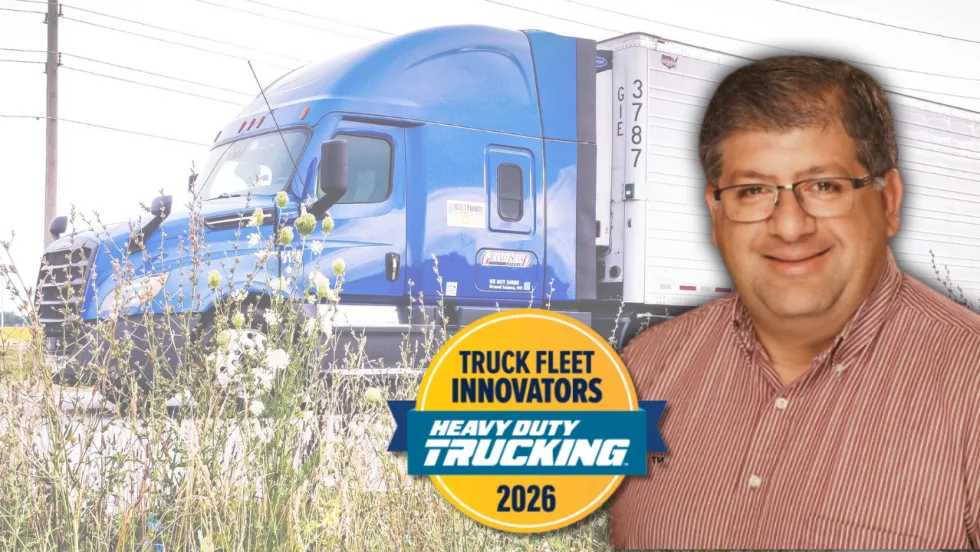
Deen Albert: Let Automation Do the Math, People Make the Decisions
HDT Truck Fleet Innovator Deen Albert makes sure people are still at the heart of operations at Grand Island Express, even while adopting artificial intelligence tools. AI-assisted dispatch helped boost revenue 25% with the same number of trucks.
Read More →
Trimble’s New AI Agent Takes Aim at Fleet Back-Office Busywork
Arc Agent works across Trimble TMS products to automate repetitive tasks such as freight orders, maintenance, invoices, fuel costs and more.
Read More →
How HDT’s 2026 Truck Fleet Innovators Are Rethinking Fleet Operations
Meet five trucking leaders who are challenging assumptions, solving operational problems, and putting innovative ideas to work.
Read More →