




Brake Safety Tips for Brake Safety Week
To prepare for the Commercial Vehicle Safety Alliance's Brake Safety Week Sept. 9-15, Bendix Commercial Vehicle Systems recommends making sure you're familiar with CVSA inspection requirements and procedures
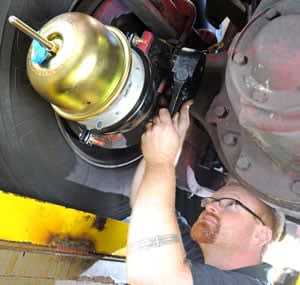
To prepare for the Commercial Vehicle Safety Alliance's Brake Safety Week Sept. 9-15, Bendix Commercial Vehicle Systems recommends making sure you're familiar with CVSA inspection requirements and procedures.
Brake Safety Week, also known as Operation Air Brake, targets six items for inspection:
1. driver's license
2. registration
3. low air warning device
4. pushrod travel (chamber stroke)
5. brake linings/drums, leaks/air loss rate, and tractor protection system.
"For Operation Air Brake, pre-trip brake inspections take on added importance," said Gary Ganaway, director of marketing and global customer solutions for Bendix Spicer Foundation Brake.
"We suggest that drivers test for leaks, examine brake shoes, and measure chamber stroke in accordance with Technology & Maintenance Council and industry standard practices."
To check for leaks, Bendix suggests a 90 to 100 psi brake application, followed by a walk-around inspection of the vehicle, while listening for audible leaks. The CVSA inspection will also test the vehicle's low air pressure warning device, and, if a leak is detected, measure the air loss rate.
Brake shoes should be examined for cracks and checked to ensure they meet the minimum lining thickness standards.
To measure the chamber stroke on each wheel-end, Bendix typically recommends checking the distance from the chamber to the pin with the brakes released, and again after a fully charged brake application. Drivers can incur fines if the difference between the two measurements - the chamber stroke - is outside allowable limits on 25% of a truck's wheel-ends.
For foundation drum brakes, fleets should follow the manufacturer's instructions regarding the adjustment of slack adjusters.
In conducting general wheel-end inspections, Bendix emphasizes close attention to the rubber boots on brakes, where cracks or tears could allow moisture to get inside.
As safety requirements evolve and commercial vehicles continue to advance technologically, regularly scheduled preventive maintenance, along with continued driver and technician training, will become even more vital to the industry.
"Proper brake adjustment and maintenance are more important than ever to commercial vehicle and roadway safety - especially with the first phase of new Reduced Stopping Distance requirements implemented in 2011, and the second phase set to take effect in 2013," Ganaway said.
More Safety & Compliance
A Camera Isn't a Safety Program. Here's What Brokers Are Screening for Now
Footage alone may not be enough to pass broker vetting processes. Here's what counts as a defensible safety program now.
Read More →
Marijuana and Trucking’s Drug-Testing Dilemma
Marijuana is getting stronger, laws are changing, and drug tests still can’t reliably establish impairment. What does that mean for truck drivers and the fleets that employ them?
Read More →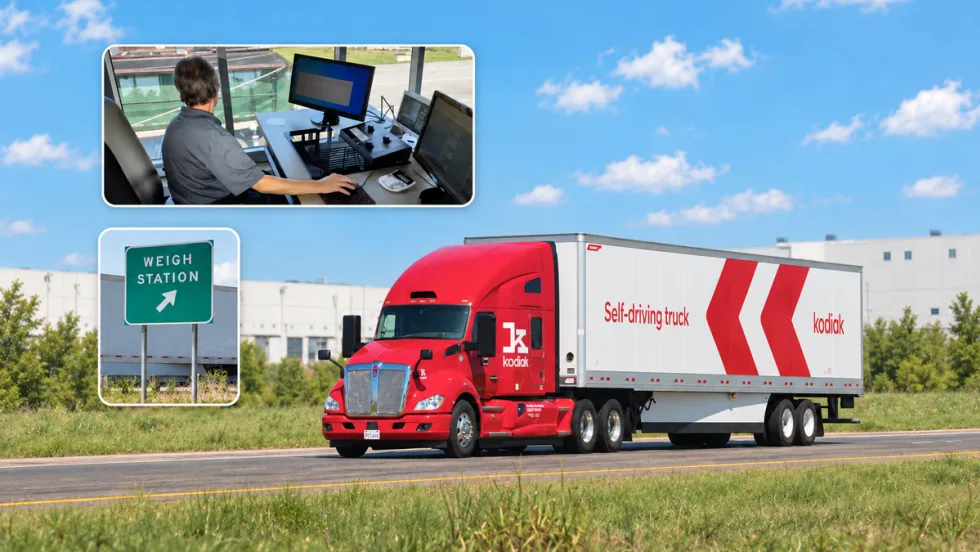
PrePass, Kodiak Connect Driverless Trucks to Roadside Enforcement
The system will allow enforcement agencies to verify Enhanced Inspection information and decide whether Kodiak’s autonomous trucks can bypass roadside screening sites.
Read More →

From One Generation to the Next: How Mentorship Builds Safer Truck Drivers
After three decades in trucking, Harold Perry shares what he's learned about driver safety, mentorship, and helping the next generation build confidence behind the wheel.
Read More →
FMCSA Pauses Biennial-Update Enforcement Amid Motus Transition
Carriers whose updates were due on or after June 1 have more time, while FMCSA works to stabilize its new registration system and warns of phishing sites impersonating its new carrier registration system, Motus.
Read More →
ZF Expands Commercial Vehicle Push in North America
ZF is expanding its North American commercial-vehicle presence with new transmission applications, electrification, trailer technology and autonomous-driving systems.
Read More →
Truck Drivers Need More Than Another Alert
Fleets have more visibility into truck health, safety events, and driver activity than ever. The next challenge is turning all that information into useful guidance for the person who has to decide what to do next.
Read More →
Tesla Wants a Self-Driving Semi. Are Cameras Enough?
Could Tesla’s camera-only autonomous driving technology work on an 80,000-pound Semi? In this commentary, HDT's Deborah Lockridge takes a look at Tesla, Cybercab, and how autonomous trucks see the road.
Read More →
What DOT’s Automated Vehicle Strategy Means for Trucking
The U.S. Department of Transportation issued a new automated-vehicle strategy that outlines plans for driverless-truck regulations, cross-state freight corridors, and federal safety standards.
Read More →
NYC Expands Speed, Pedestrian Safety Tech Across Fleet
New York City is expanding intelligent speed assistance and pedestrian-alert systems across its municipal fleet, moving the technologies from pilot programs into vehicle procurement and retrofit requirements.
Read More →