




Blizzards and Big Rigs: A Winter Readiness Survival Guide
‘Tis the season – To be prepared. J.J. Keller shares its winter-driving preparedness tips to help keep truckers safe and warm when cold weather strikes.

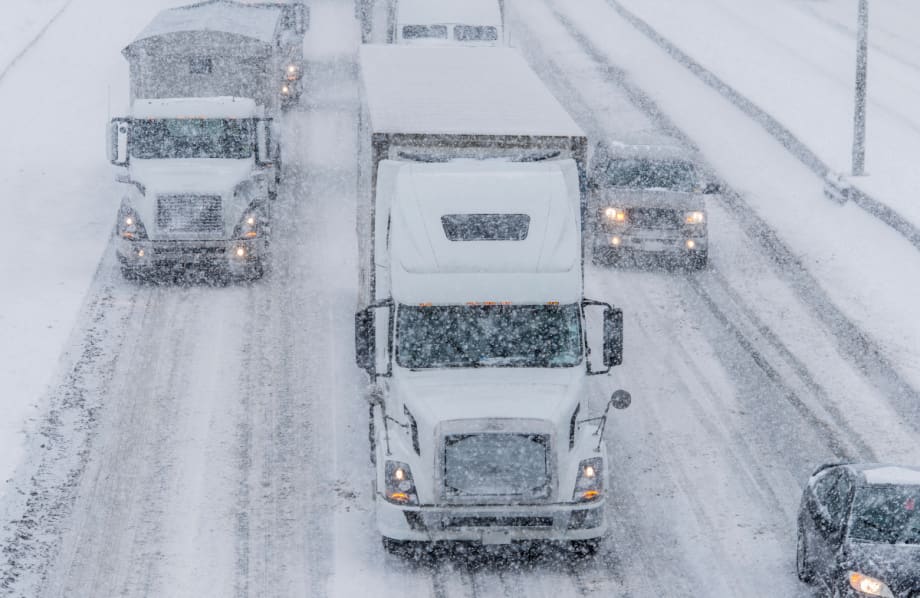
Enacting an action plan well before cold weather hits is critical for safe trucking during winter months.
Photo: Canva
From blinding blizzards to extreme cold, it’s important for drivers to be prepared for whatever winter hazards they may face.
Now is a good time to review some of the issues drivers need to be aware of when it comes to staying safe during the winter months.
To help fleets and drivers prepare for harsh winter driving conditions,J.J. Keller is sharing the cold-weather advice to help keep truckers safe as cold winter winds blow.
Create a Winter Survival Kit
All drivers should have a winter survival kit in their vehicle.
In addition to the items that should be in their vehicle at all times (warning devices, a jump box, tool kit, first aid kit), they should also carry the following items:
Snow brush and scraper
Shovel
Traction devices
Brightly colored cloth
Blankets/sleeping bag
Extra food and water
Extra medications (if necessary)
Proper outerwear (extra coat, gloves, hat, boots).
How to Handle Getting Stranded
One of the keys to driver safety is knowing what to do if stranded in extreme weather conditions. These best practices can help stranded drivers weather the storm until help arrives:
Stay in the vehicle. Never leave for assistance unless help is visible and close (within about 100 yards). Leaving the vehicle is a dangerous decision, as it is easy to become disoriented in blowing and drifting snow.
Dial 911 to summon help. Stay calm. Provide a description of the location. Listen and respond to questions.
Hang a brightly colored cloth outside the vehicle (if able to do this safely).
Run the vehicle’s engine, with the heater on, for about 10 minutes every hour to keep warm. While the engine is running, open a window slightly to prevent carbon monoxide poisoning. Also, to prevent carbon monoxide poisoning, make sure the vehicle’s exhaust pipe is clear and free of snow.
Cautiously use food and beverages. It may be a while before help arrives.
Make Sure Your Drivers Know the Risks
Remember that it’s easier to prevent a cold-related illness than to treat one.
When the human body is exposed to cold, it uses its energy to keep its internal temperature warm.
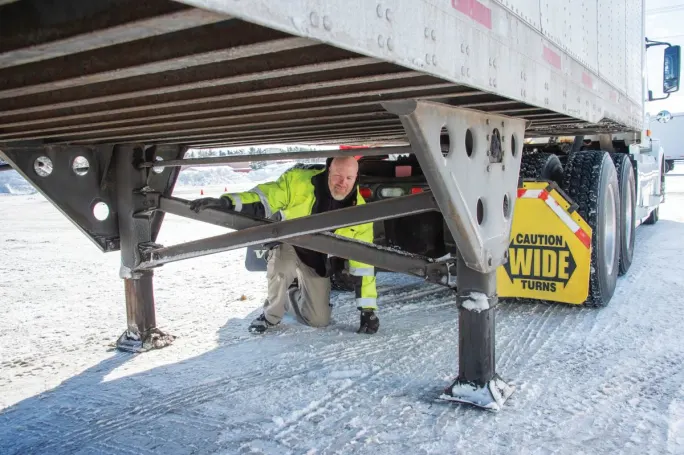
Making sure your equipment is in good shape is critical for avoiding cold-weather breakdowns.
Photo: J.J. Keller
Over time the body will shift blood flow from the extremities (hands, feet, arms, and legs) and outer skin to the core (abdomen and chest). As a result, the exposed skin and extremities will drop in temperature resulting in frostbite and hypothermia.
When someone begins to experience hypothermia, the core body temperature drops to around 95°F because it is losing heat faster than it can be replaced.
Symptoms of hypothermia include shivering, loss of coordination, slurred speech, and fumbling with items. The skin also becomes pale and cold.
As the body temperature continues to fall, the shivering will stop, but other symptoms will worsen.
The driver may find that they’re unable to walk or stand. At a body temperature of 85°F, a person may become unconscious and could even die.
Mild hypothermia may be treated by moving around, staying active, changing out of wet clothes, covering with blankets, and wearing some type of head covering (hat, balaclava). Drivers should promote metabolism by drinking a warm (not hot) sugary drink and avoiding caffeine. In more severe cases of hypothermia, the driver should seek emergency medical treatment. It may even require hospitalization depending on the degree of illness.
8 Tips for Choosing Winter Clothing
Your choice of clothes can have profound benefits -- or disadvantages -- should you find yourself stranded in cold weather.
Consider the following eight tips when bundling up for extreme winter weather:
Know the local temperature — including wind chill — when selecting winter apparel.
Take into consideration the type of fabric used to make an article of clothing. For example, cotton loses its insulation value when it becomes wet. Wool, silk, and most synthetics, on the other hand, retain their insulation even when wet.
Wear at least three layers of clothing: an inner layer of wool, silk, or synthetic to wick moisture away from the body; a middle layer of wool or synthetic to provide insulation even when wet; and an outer wind and rain protection layer that allows some ventilation to prevent overheating.
Wear a hat or hood. Up to 40 percent of body heat can be lost when the head is left exposed.
Wear insulated footwear designed for cold weather.
Keep a change of dry clothing available in case work clothes become wet.
Wear loose clothing, which allows better ventilation of heat away from the body. Don’t wear tight clothing, with the exception of the wicking layer.
Do not underestimate the wetting effects of perspiration. Oftentimes wicking and venting of the body’s sweat and heat are more important than protecting from rain or snow.
Plan and Prepare Before Weather Hits
In reality, the time to prepare for winter weather is well before the first icy blasts hit.
Even when it’s still technically autumn based on the calendar, your drivers and dispatchers need to change to a winter mindset — because some states already have.

Wet roads, wind, rain and snow are just a few of the problems winter throws at truck drivers.
Photo: Canva
Did you know, for instance, that from September 1 to May 31 Colorado requires commercial vehicles operating on I-70 between mileposts 133 and 259 to carry sufficient chains, tire cables, or alternative traction devices as identified in its regulations?
It’s important to know what each state in which you operate requires or allows for winter travel. This would include:
Compliance dates
Definitions, including those used for the vehicles subject to any mandate
Any prohibitions.
Using Colorado again as an example, it is important to know that signs indicate when tire traction requirements apply.
It’s also vital to know who it applies to.
In Colorado, traction devices are needed for commercial motor vehicles with a gross vehicle weight or combination weight rating of at least 26,001 pounds, or a passenger vehicle designed to transport 16 or more people, including the driver. It would also benefit some to know that studded tires are prohibited on Colorado roads.
Carriers should research/contact each state and province in which the driver is traveling to learn these details.
Practice Makes Perfect
If your drivers are traveling up mountain passes or into blizzard conditions, they need to practice the task of putting on traction devices now to be proficient later. You don’t want them struggling when it is cold and dark.
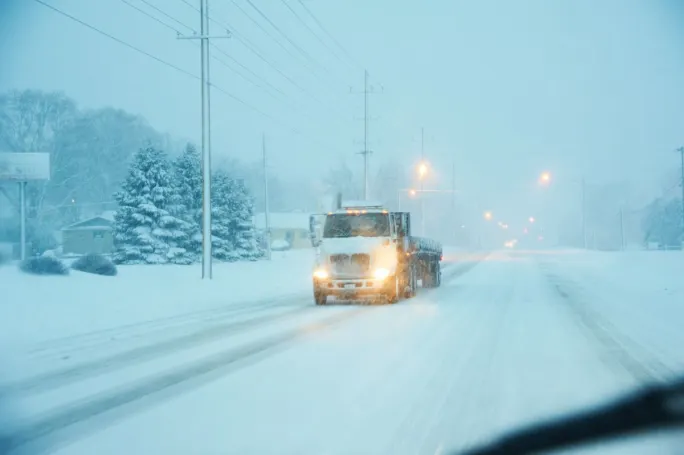
All drivers should have a winter survival kit in their trucks to deal with a breakdown in frigid temperatures.
Photo: J.J. Keller
In addition, your drivers should incorporate a check of the tire chains ' condition and count in all pre-trip and post-trip vehicle inspections.
When putting on snow chains, remind drivers of practical safety tips even when in the designated chaining areas, including staying out of traffic, and looking for level ground so the truck doesn’t slide.
Keep An Eye on the Sky
Even armed with the right tools and equipment, information is the best line of defense. Drivers and dispatchers alike must be aware, monitor, and communicate weather conditions.
There will be instances that it’s just best to wait out the storm and park rather than risk personal safety due to road conditions.
Key to remember: Now is the time to review winter survival tips with your drivers.
More Safety & Compliance

FMCSA Pauses Biennial-Update Enforcement Amid Motus Transition
Carriers whose updates were due on or after June 1 have more time, while FMCSA works to stabilize its new registration system and warns of phishing sites impersonating its new carrier registration system, Motus.
Read More →
ZF Expands Commercial Vehicle Push in North America
ZF is expanding its North American commercial-vehicle presence with new transmission applications, electrification, trailer technology and autonomous-driving systems.
Read More →
Truck Drivers Need More Than Another Alert
Fleets have more visibility into truck health, safety events, and driver activity than ever. The next challenge is turning all that information into useful guidance for the person who has to decide what to do next.
Read More →
Tesla Wants a Self-Driving Semi. Are Cameras Enough?
Could Tesla’s camera-only autonomous driving technology work on an 80,000-pound Semi? In this commentary, HDT's Deborah Lockridge takes a look at Tesla, Cybercab, and how autonomous trucks see the road.
Read More →
What DOT’s Automated Vehicle Strategy Means for Trucking
The U.S. Department of Transportation issued a new automated-vehicle strategy that outlines plans for driverless-truck regulations, cross-state freight corridors, and federal safety standards.
Read More →
NYC Expands Speed, Pedestrian Safety Tech Across Fleet
New York City is expanding intelligent speed assistance and pedestrian-alert systems across its municipal fleet, moving the technologies from pilot programs into vehicle procurement and retrofit requirements.
Read More →
FMCSA Removes 110 Truck Driver Training Schools from Certified ELDT List
Federal regulators also are targeting more than 160 additional training providers and launching a nationwide audit of third-party CDL skills testers as part of a broader crackdown on trucking fraud.
Read More →
Beyond DOT Compliance: What Makes a Trucking Fleet Truly Safe?
A trucking fleet can follow every rule and still make unsafe decisions. The real test comes when safety conflicts with freight, productivity, or cost.
Read More →
Hours of Service Pilot Programs: FMCSA Readies for 2027 Rollout
Two pilot programs could eventually reshape hours-of-service rules, giving truck drivers options to pause their 14-hour clock or use longer split sleeper rest periods.
Read More →
New Guide Offers Pet Safety Tips for Truck Drivers
Hundreds of thousands of pets travel in truck cabs. A new safety guide from Volvo Trucks and the Center for Pet Safety offers practical advice for truck drivers who bring dogs and cats along for the ride.
Read More →